Car keys · Ringwood
Car Key Replacement in Ringwood
The only key to the car went into the lake with the kayak.
In plain words
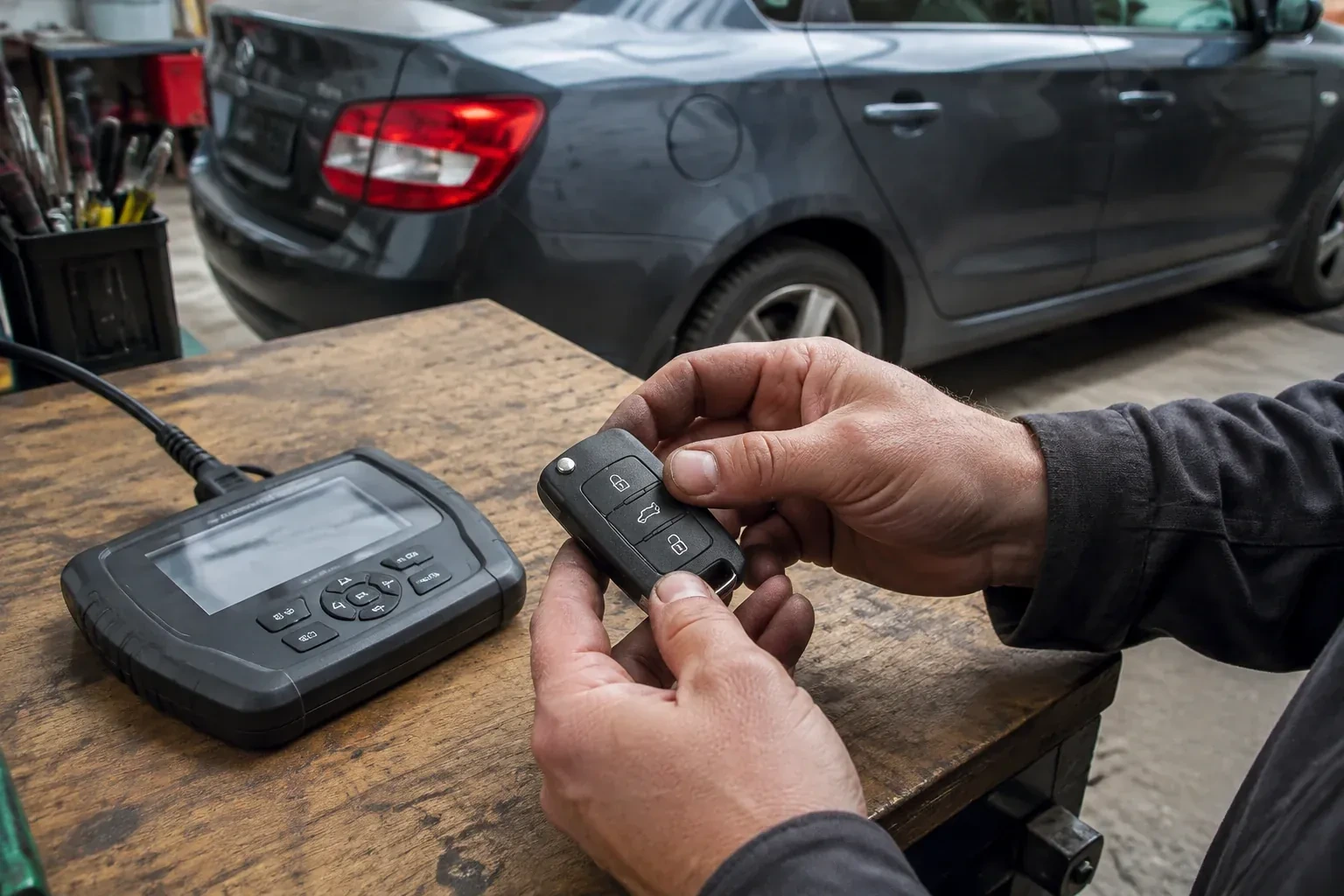
Car key replacement means producing a key that works your specific vehicle when the original is lost, broken, stolen or no longer recognized. On many modern cars that is more than cutting metal: the blade fits the locks, a transponder is taught to the immobilizer before the engine will run, and any remote or proximity function is paired separately; some current vehicles instead use a phone key or key card with no cut blade at all. An automotive locksmith confirms your entitlement, identifies the exact key system from the VIN, cuts the blade to code, programs the electronics and tests every function before handing it over.
How the visit goesThe key snapped at the head while you were turning it in a stiff, frosty door lock. Half the blade is in your hand, the rest is inside the lock, and the plastic head still lights up when you press a button.
Car Key Replacement
How the visit goes
Reading the VIN for the key system
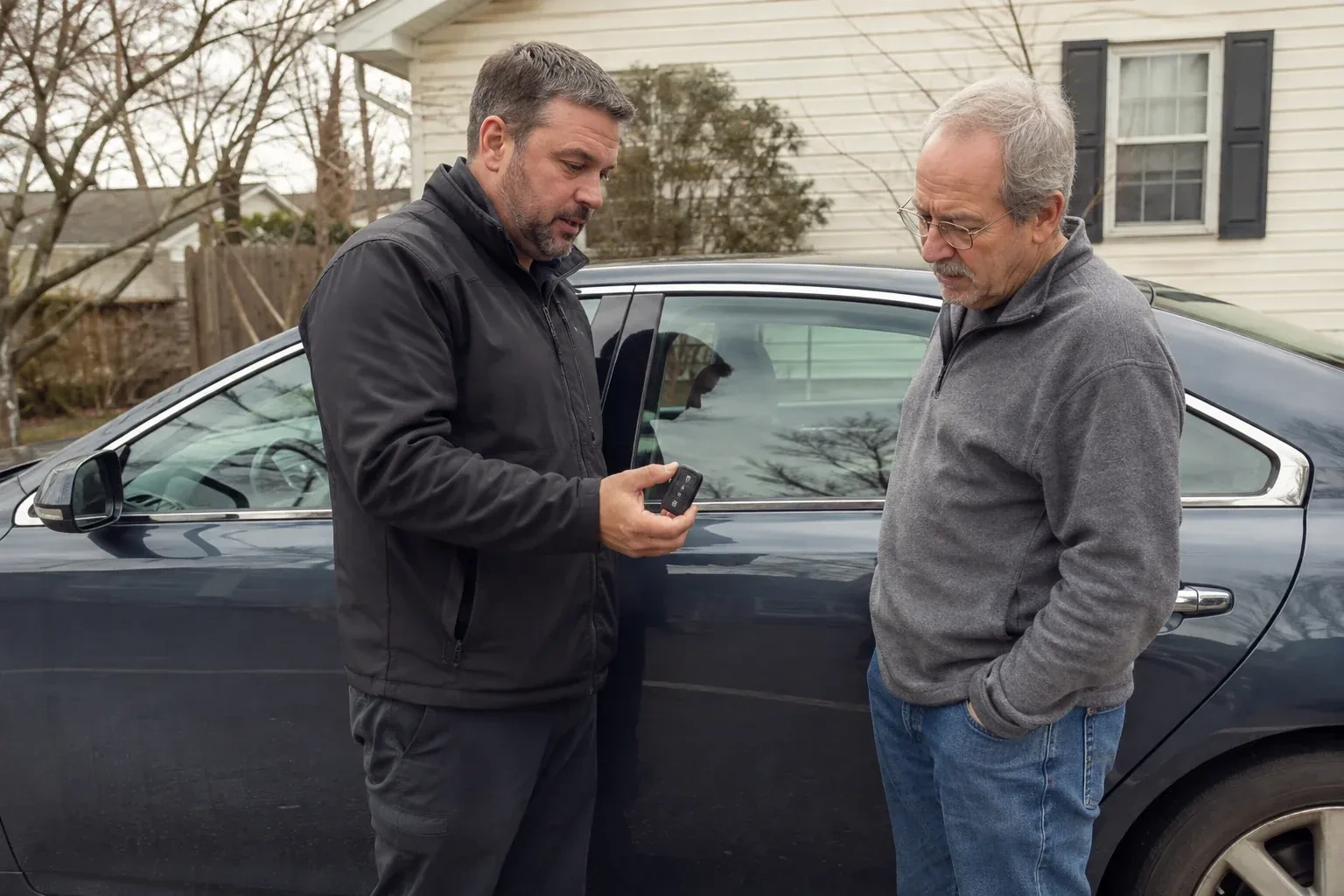
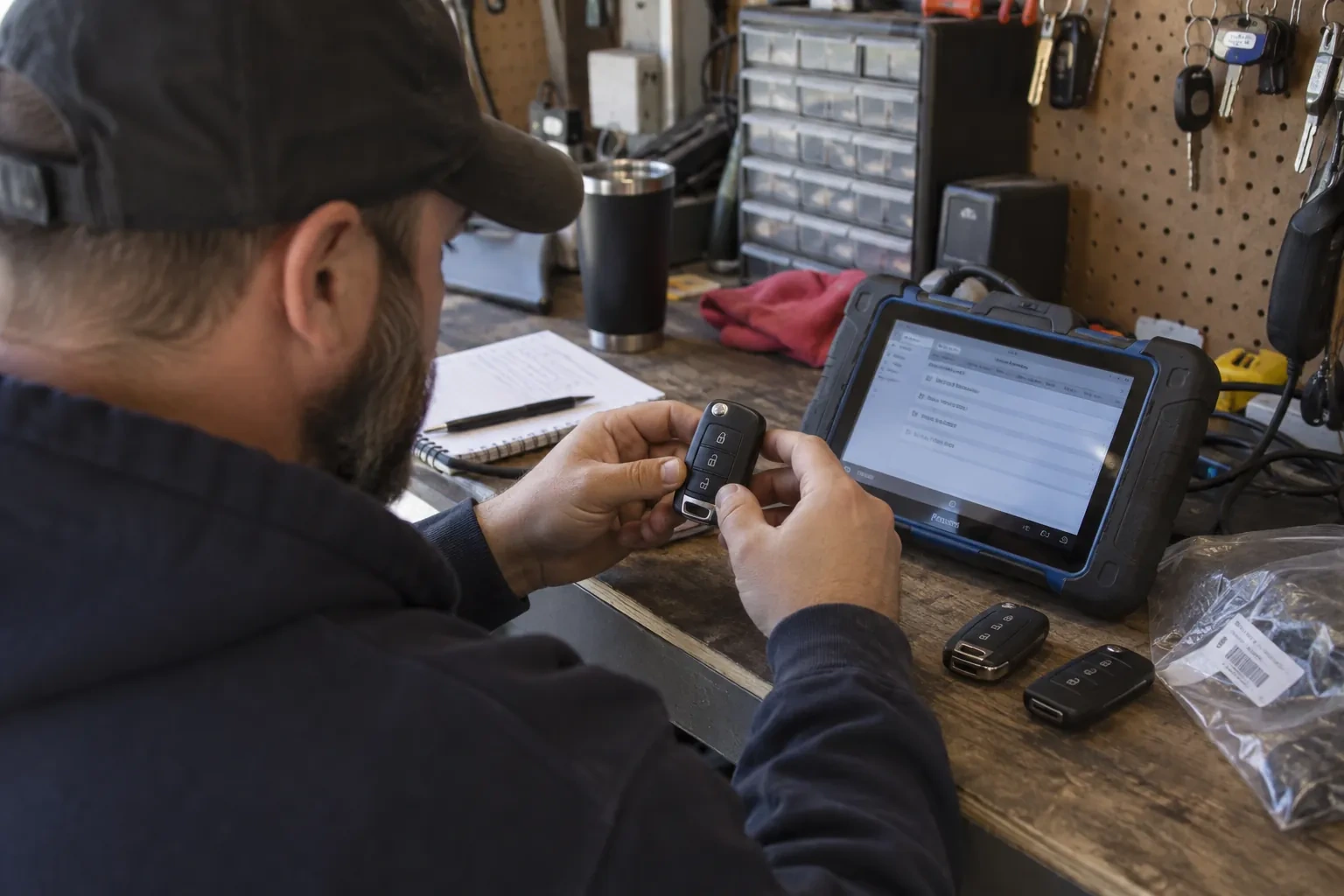
The seventeen-character VIN tells the locksmith what kind of key the car was built with. From it, together with the year, make and model, comes the blade profile (a plain edge cut or an internal high-security cut), the transponder type and immobilizer generation, the remote's frequency and part number, and whether the car uses a proximity fob, or instead a phone-key or key-card system with no cut blade at all. This lookup happens before the visit so the correct blank, shell or fob is in the van, and it flags systems needing a security PIN, manufacturer data or a dealer procedure. A photo of the old key, if any survives, confirms the reading.
Programming the transponder through the diagnostic port
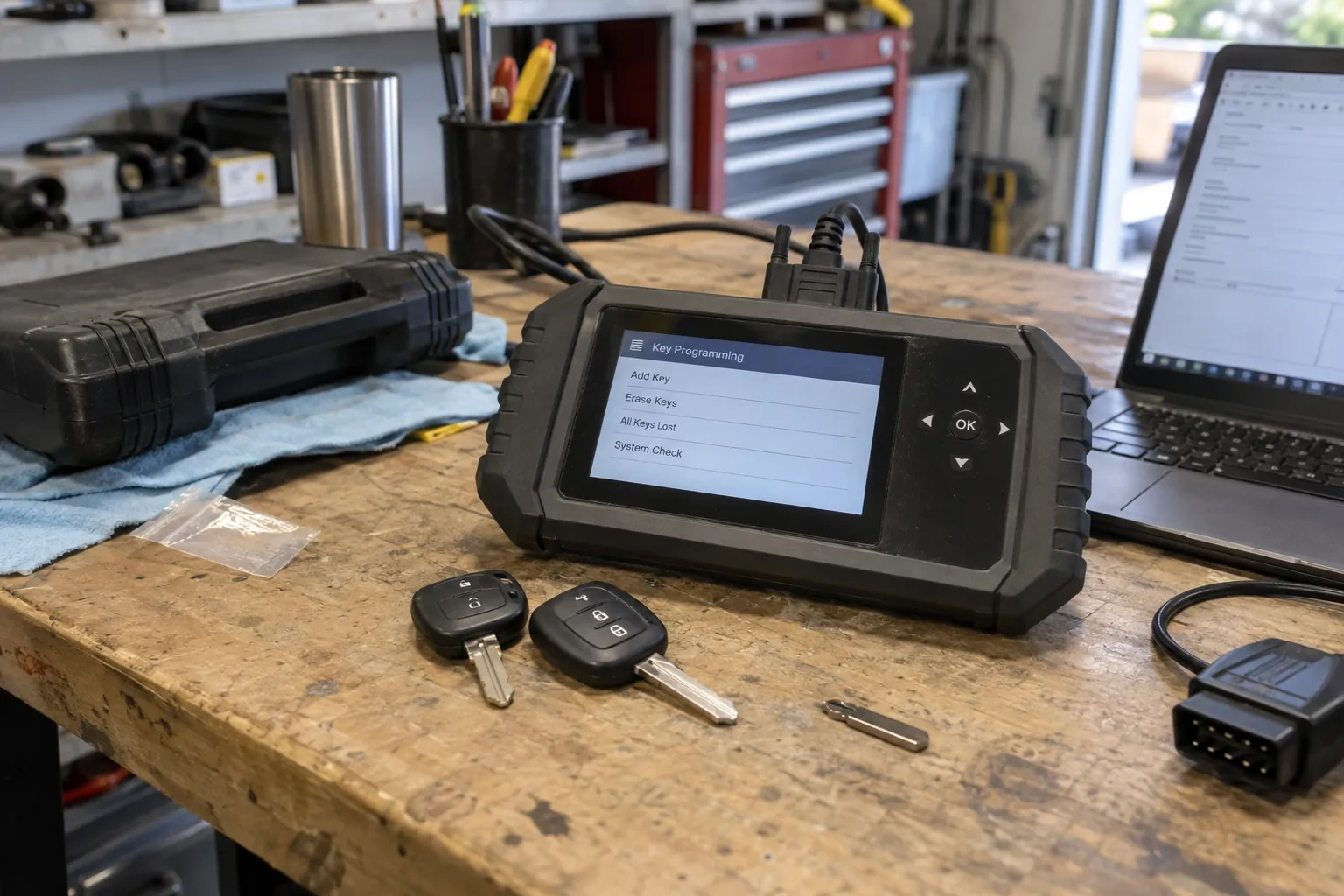
With the blade cut, the electronic half of the job begins. On a vehicle with OBD-programmable keys, the locksmith connects a programming tool to the diagnostic port under the dash, selects the exact vehicle and immobilizer system, and starts a session that introduces the new transponder to the car. Some systems accept the key in moments; others enforce a security wait timer, or ask for a PIN that the tool reads from the vehicle or that is obtained through the manufacturer's secure-data route. The key is cycled in the ignition or held to the start button when prompted, and the tool confirms the number of keys the car now recognizes.
A spare, and the reason to keep it away from the car
Two working keys change the shape of every future visit. With one in hand, adding another is a short programming routine; with none, the car has to be opened, decoded and reset. For that reason the locksmith will usually suggest making the spare while the tools are out, and will suggest a home for it that is not the glovebox, the console or a magnetic box under the bumper. A drawer at home, a trusted family member or a small lockbox all work. Test the spare every few months so a flat coin cell is discovered on a Sunday afternoon rather than in a parking lot.
Car Key Replacement
In the van
Remote-head key shell
Remote frequency tester
Transponder key blank
Transponder chip
Fob coin-cell battery
Car Key Replacement
What affects the quote
Condition of the locks and ignition
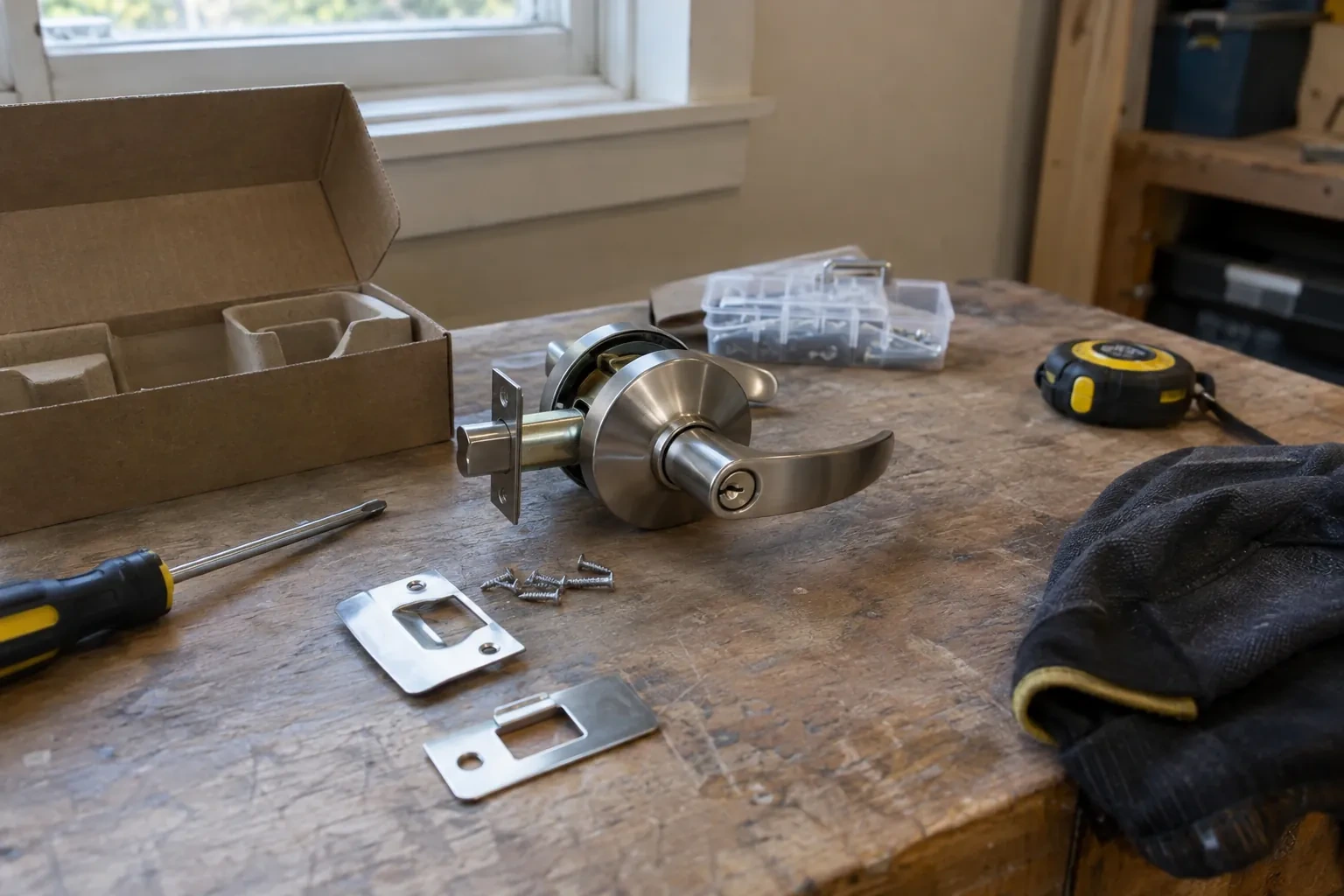
A door cylinder seized with salt or an ignition with worn wafers may need freeing, servicing or rebuilding for the new key to feel right. That work is quoted as its own item alongside the key.
One working key or none
A spare added beside a working key is a shorter routine. Starting from nothing means working through whatever that vehicle's own all-keys-lost procedure calls for, commonly opening the car, decoding the lock and resetting the immobilizer, and the quote reflects those extra stages.
How many keys you leave with
Each key is a blank, a cut and a programming slot, so the total follows the count. Making the spare during the same visit is usually the sensible time to do it.
What to have ready
- Do you have any key that still starts the car, or are they all gone?
- How many keys would you like to leave with?
- Is there an aftermarket alarm or remote starter fitted to the car?
Car Key Replacement: questions
QuestionsAfter a break-in the doors and ignition are on different keys. Can that be fixed?
Yes. When a door lock is forced and replaced, or an ignition is swapped, the car can end up needing two blades. A locksmith can rekey the replacement cylinder to match the surviving one, so a single key operates every lock again, and cut new keys to that combination. The transponder side is unchanged by the lock work, so your existing programmed keys carry on starting the car once the blades match.
Can you make a key for a car with push-button start?
On many vehicles, yes: a proximity fob is registered to the vehicle through the diagnostic port in much the same way as a transponder key, and then tested for passive entry at the handles and for starting with the fob in a pocket. Other systems pair a proximity fob through onboard, app-based or dealer-only steps instead. The emergency blade tucked inside the fob is cut to the door lock so you have a mechanical way in, and the VIN check reveals in advance which route a given vehicle needs.
The fob died in the cold. Is that a battery or the key?
Almost always the battery. Coin cells deliver less in deep cold, and a cell that was already weak goes quiet on the first bitter morning. Most cars still start with a flat fob if it is pressed to the start button or laid in a marked slot, and the emergency blade opens the door. Replace the cell, and if the fob stays silent with a fresh one, the remote board or a corroded contact is the next thing to look at.
Related services
- Spare Car Key DuplicationOne key opens the car, starts the car, and rides in one pocket every day.
- Key Fob ProgrammingThe remote clicks the way it always has, but the vehicle no longer locks, unlocks or answers with its usual chirp.
- Transponder Key ProgrammingThe new key slides into the ignition and turns exactly the way the old one did, but the engine only cranks.