Locksmith in Whitchurch-Stouffville, OntarioSmart locks,fitted to a sound door
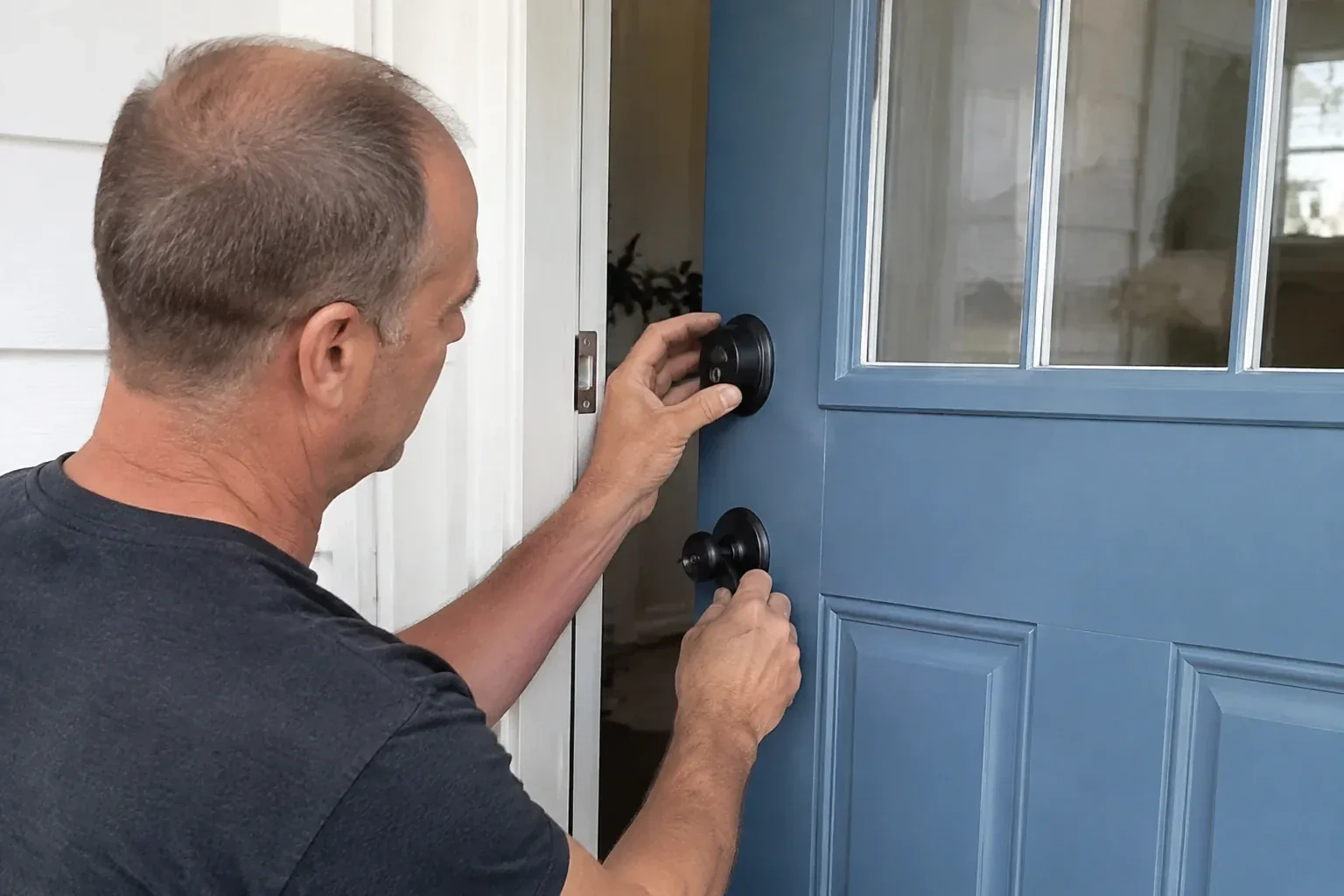
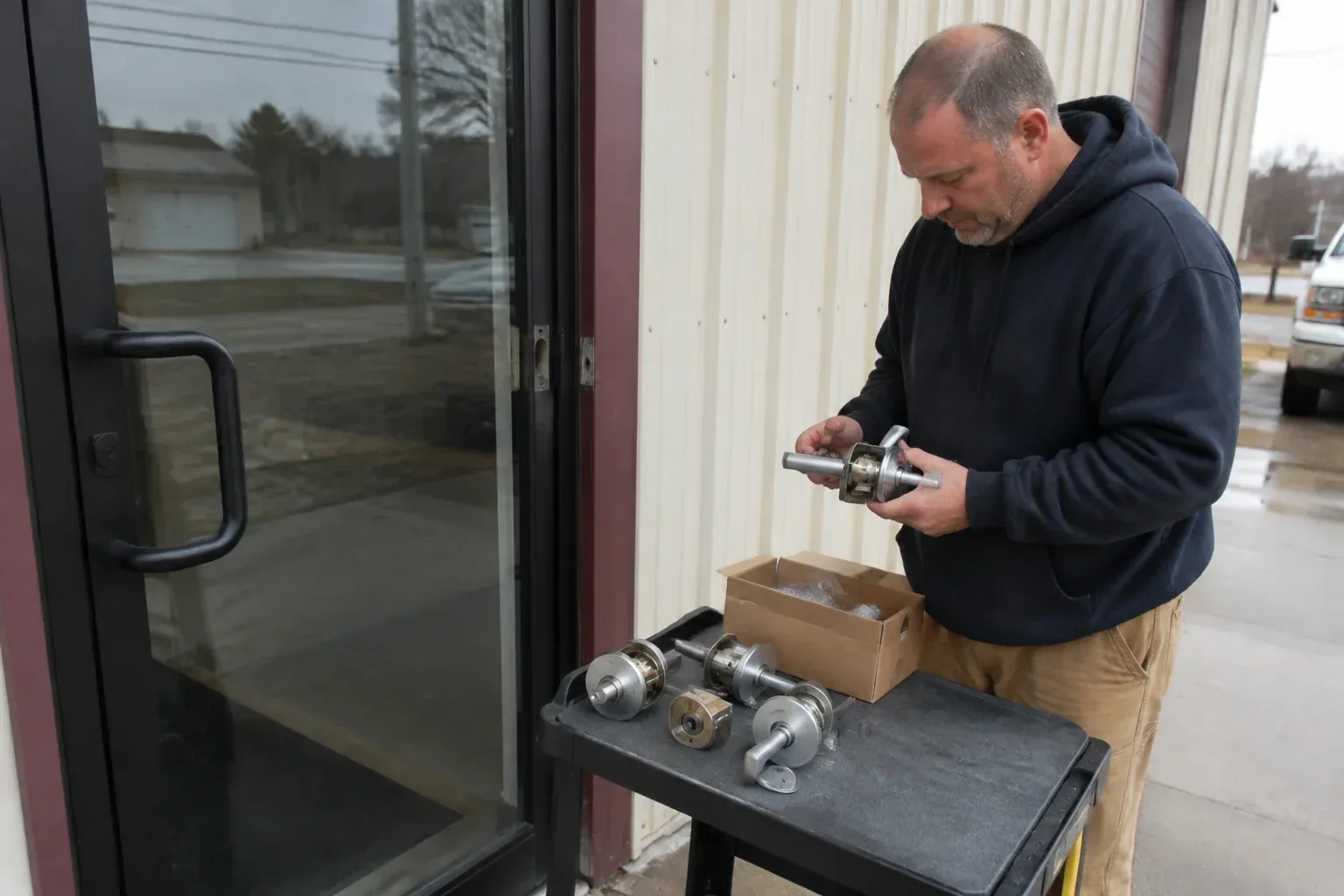
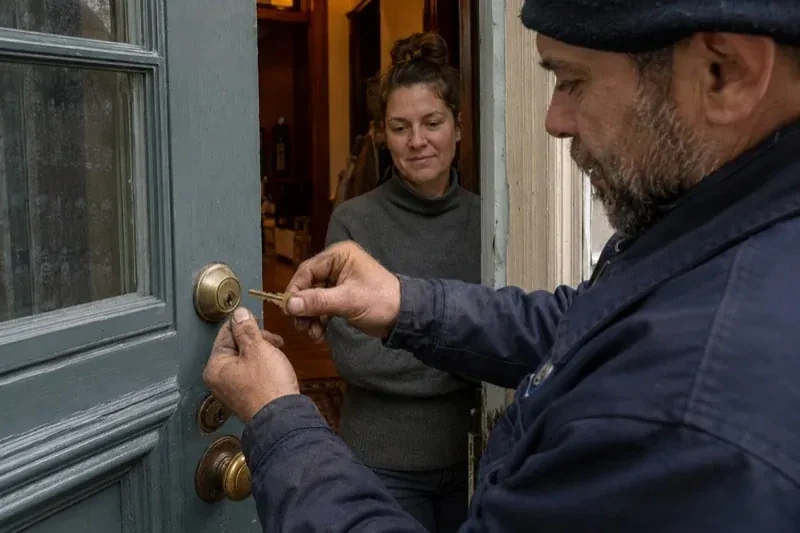
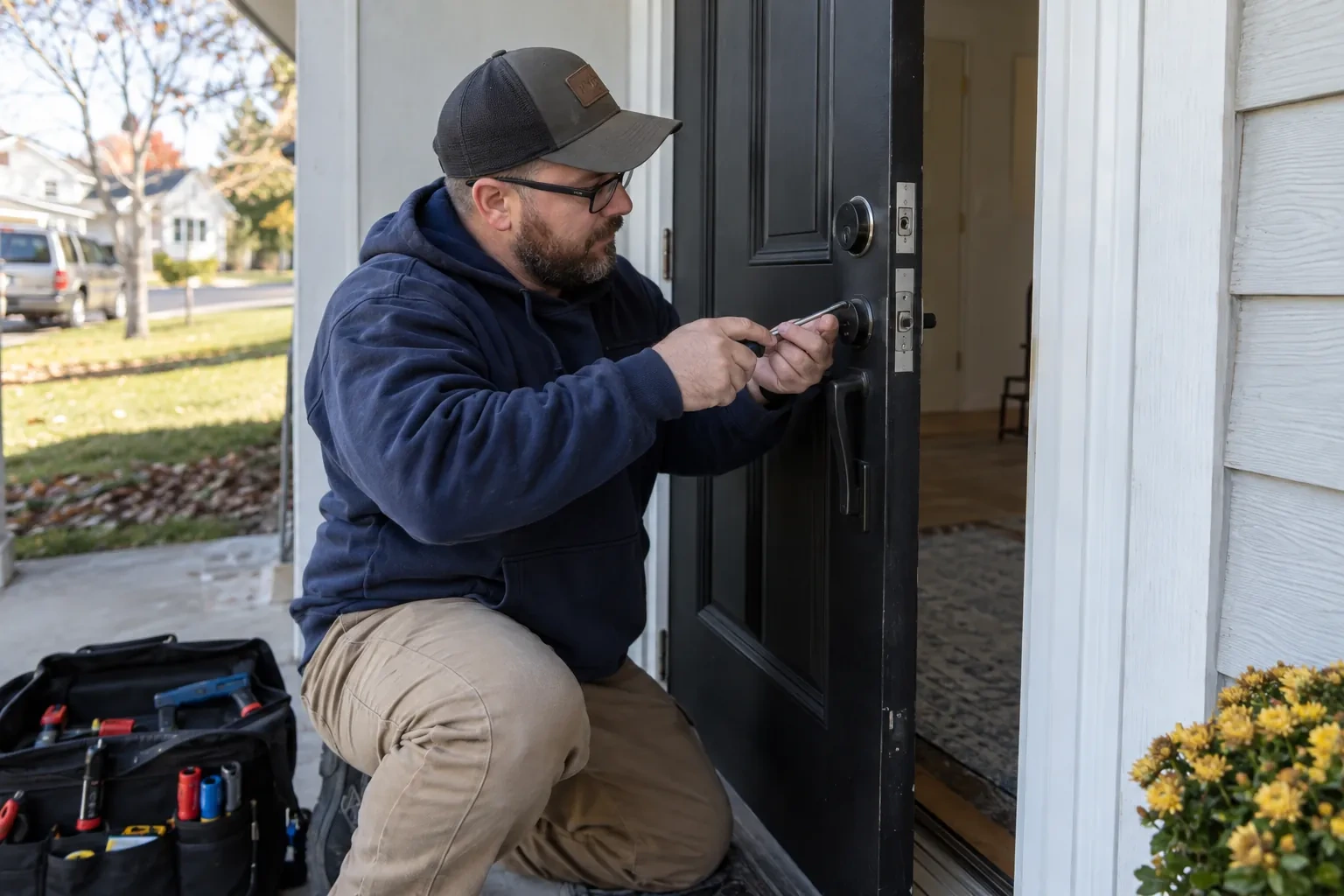
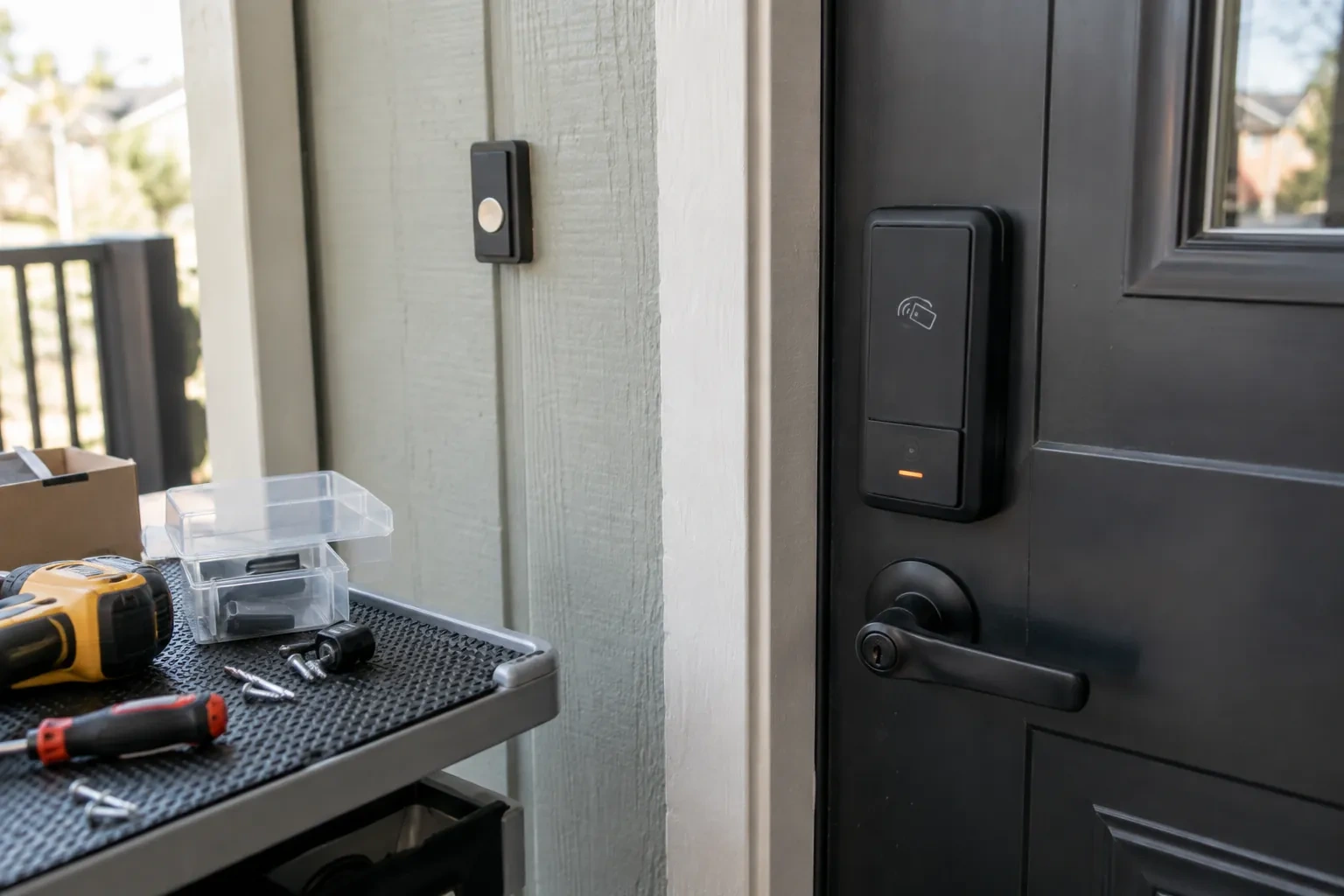
A keypad or phone-controlled lock is only as good as the door it sits on. Before anything is mounted on a home in Whitchurch-Stouffville we check the alignment, the strike and the bore, then set up codes, a mechanical backup and a walkthrough so the household can actually use what was installed. Calls from Lemonville are covered too.
A keypad or phone-controlled lock is only as good as the door it sits on. Before anything is mounted on a home in Whitchurch-Stouffville we check the alignment, the strike and the bore, then set up codes, a mechanical backup and a walkthrough so the household can actually use what was installed. Calls from Lemonville are covered too.
A locksmith you would recommend to a neighbour.
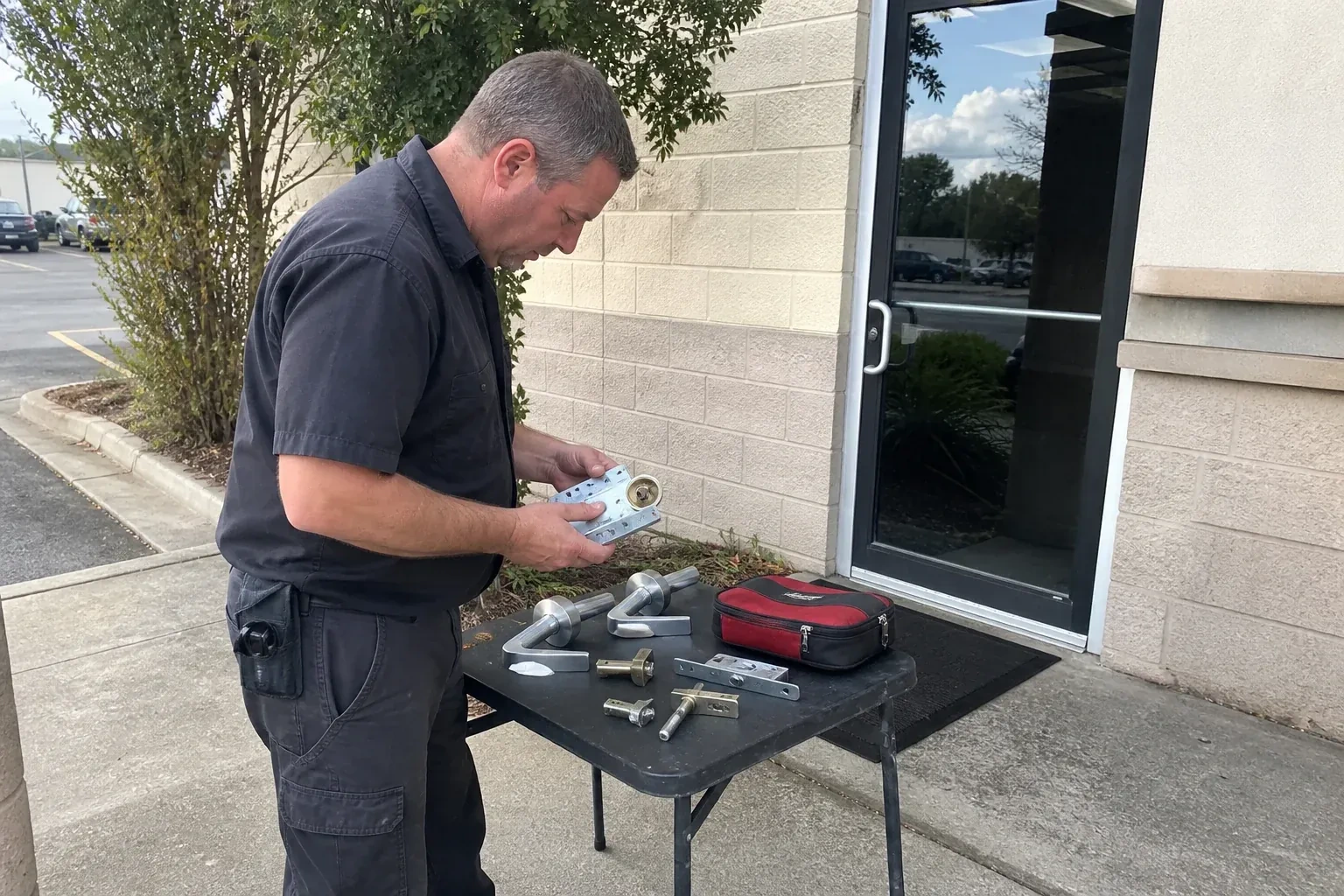
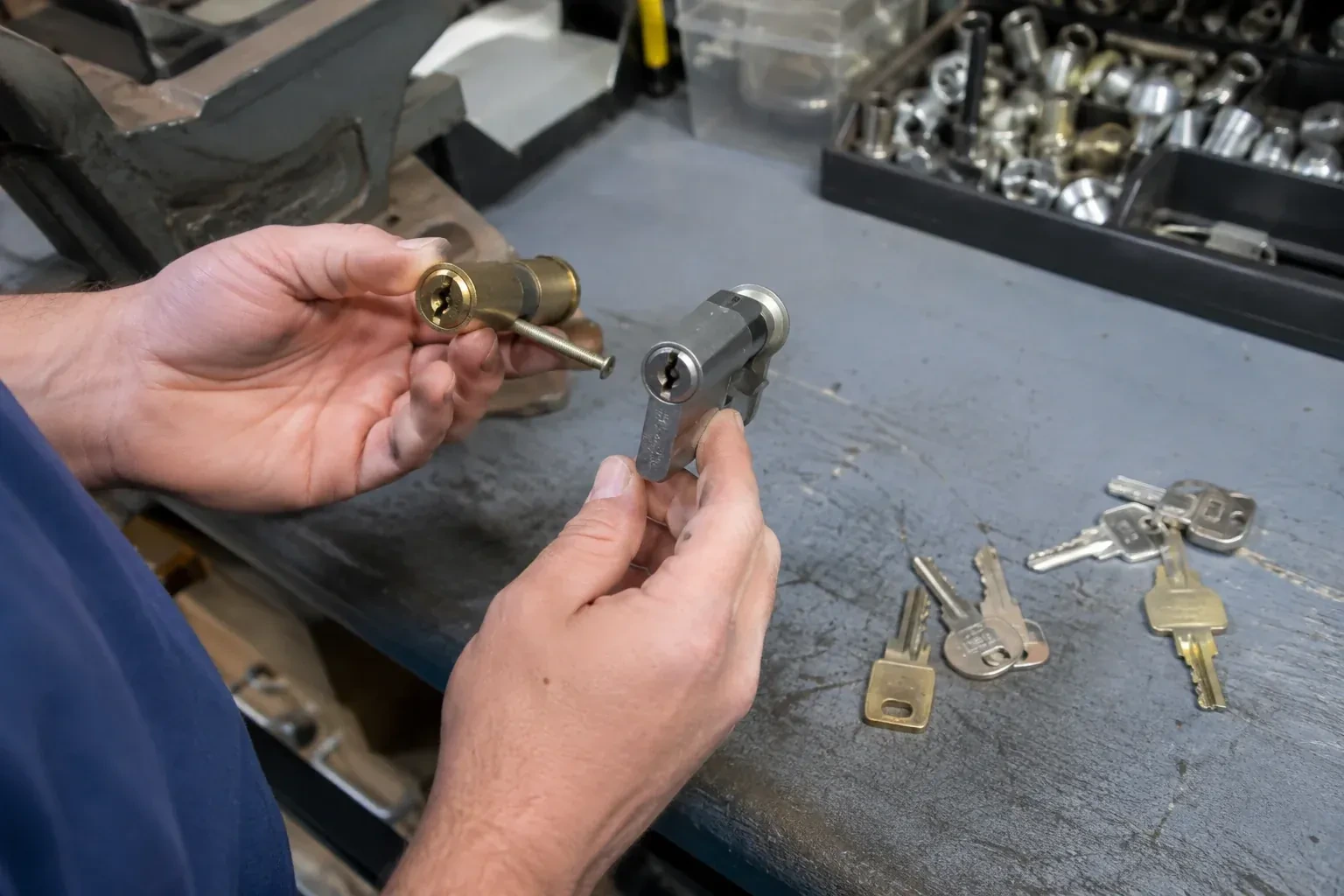
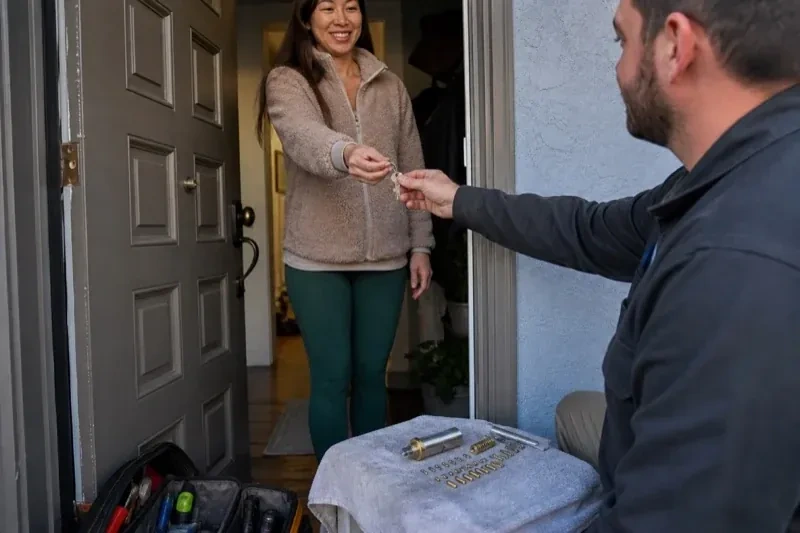
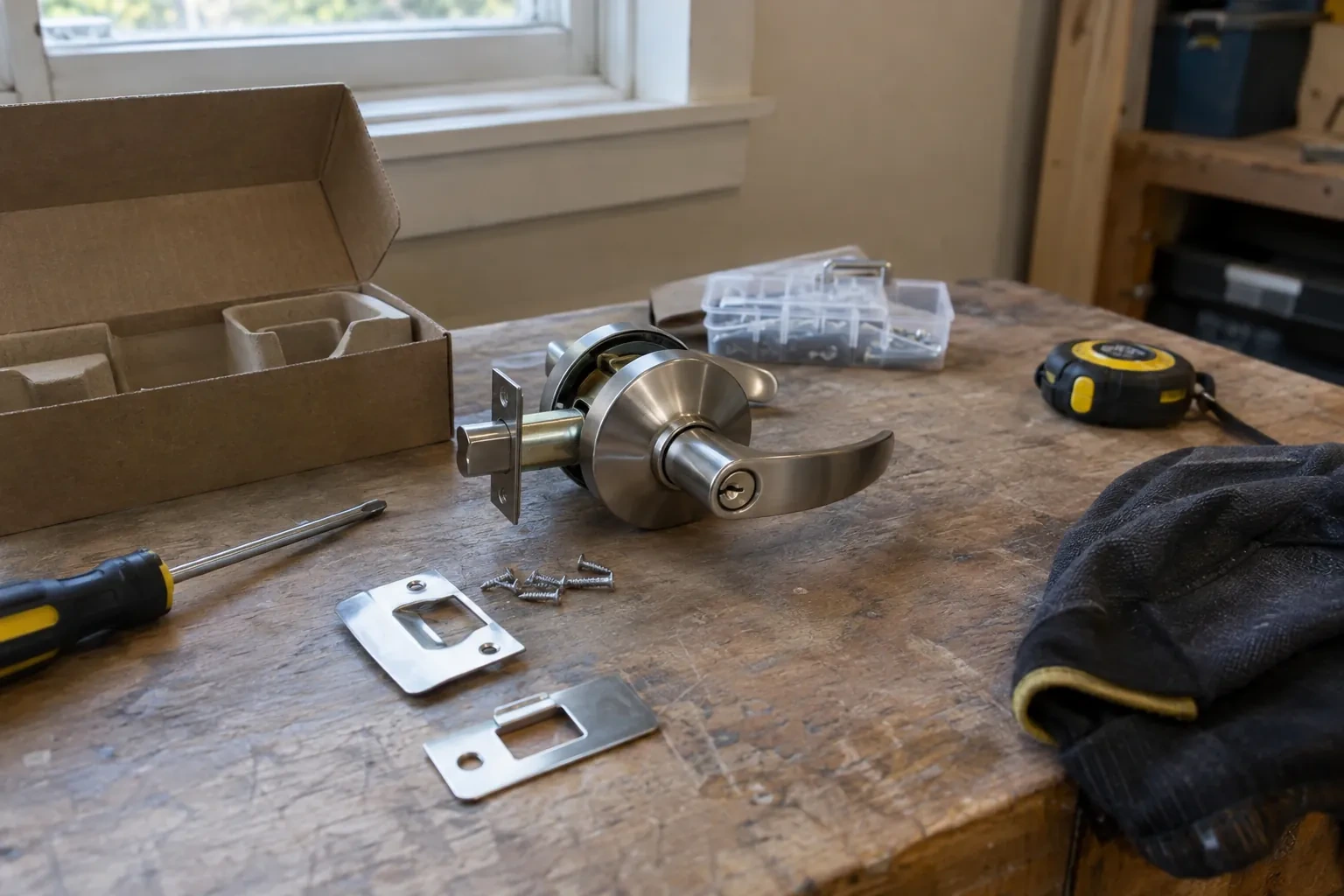
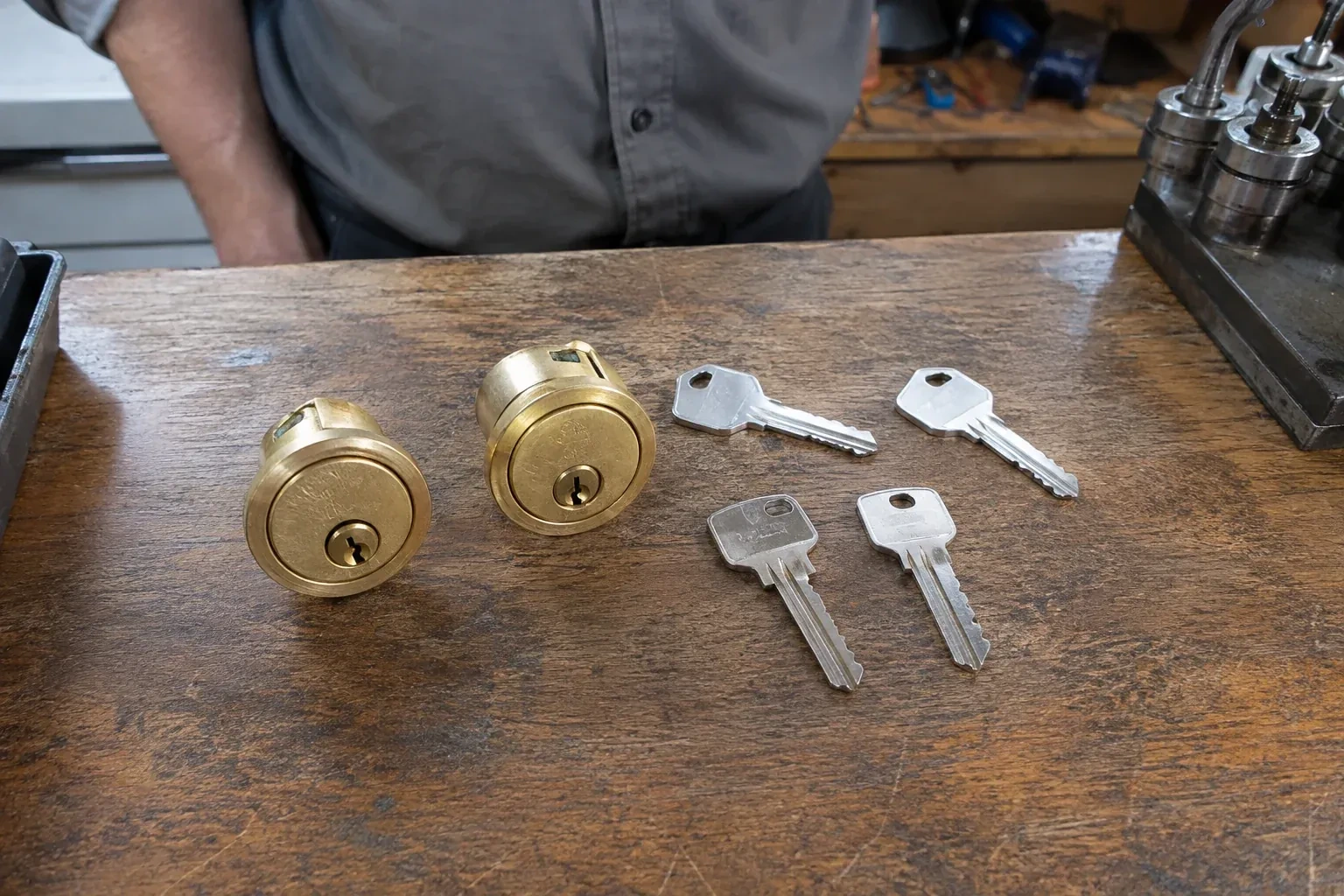
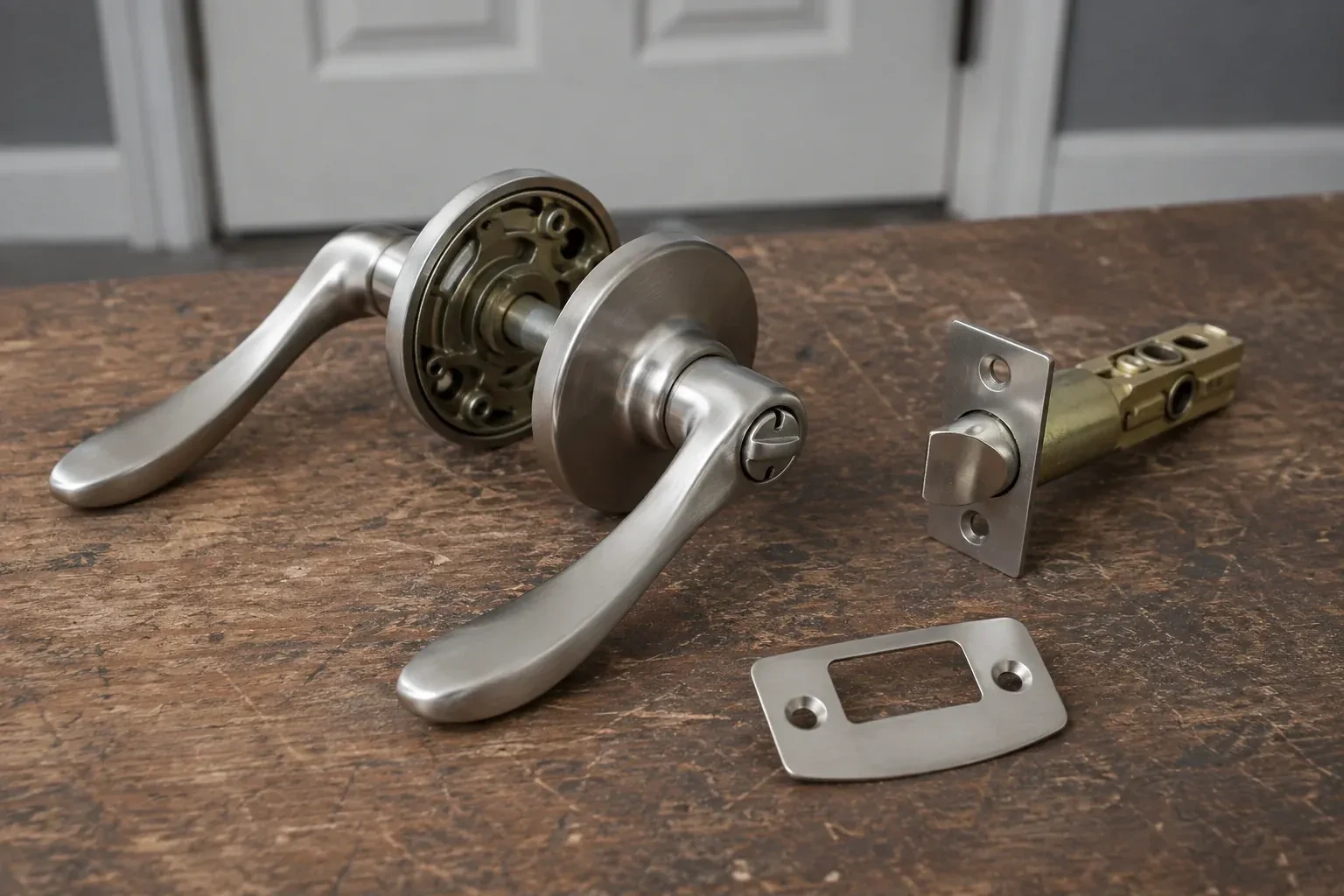
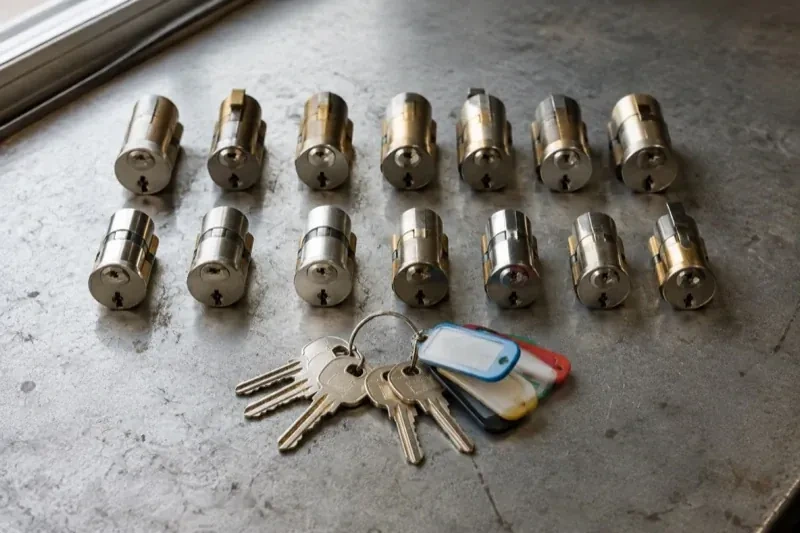
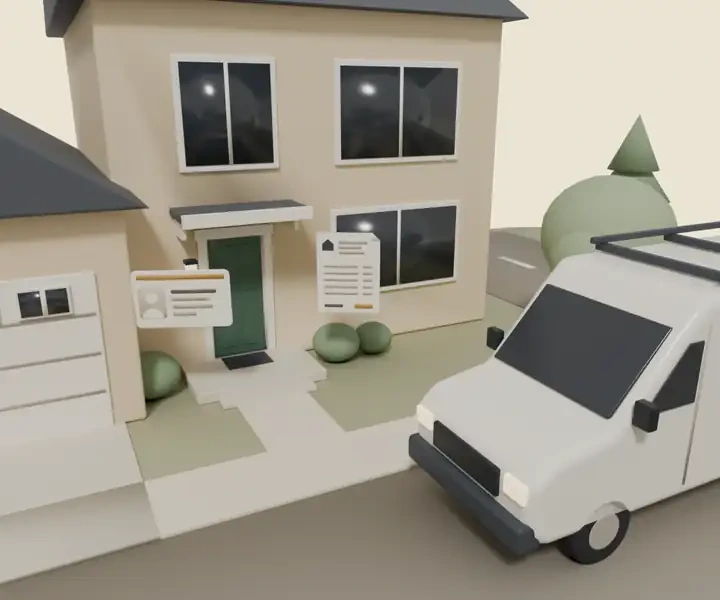
The van that comes to Whitchurch-Stouffville carries what the job is likely to need: cylinders in the common finishes, pinning kits, strike plates in several depths, blanks for house and vehicle keys, and the small screws that always seem to be missing. Being stocked means the work is finished in one visit and you can compare real parts at the door rather than photos on a screen.
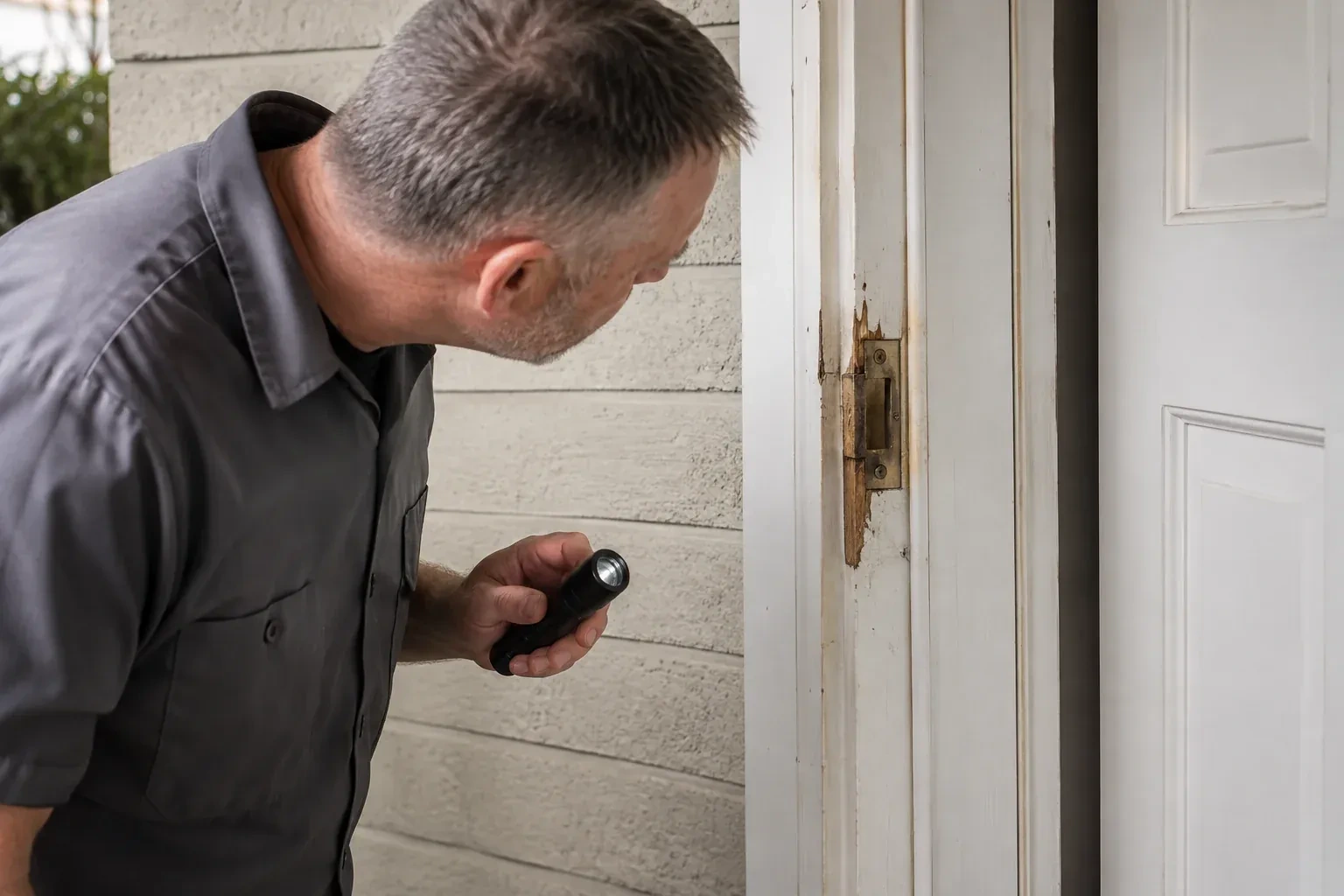
When a lock in Whitchurch-Stouffville starts fighting the key, the cause is usually one of a few things: worn pins, a strike that has moved, a door that has dropped on its hinges or a key copied too many times. We find which one it is before suggesting anything, then address the cause. Often the lock you have is fine and simply needs to be set right.
18years in business
24/7open every day
You set the pace. We explain, you decide, we work. If you would rather sleep on a bigger change, we do what is needed now and leave the rest for another visit.
The reasoning behind each suggestion. Every recommendation comes with the reason for it, in language that does not require you to know the trade. Ask why as often as you like.
Order restored. Tools packed, dust cleared, doors closed properly. We leave your home or business looking as it did, with the lock problem gone.
Get your Whitchurch-Stouffville home rekeyed this week
Homes in Whitchurch-Stouffville bring us sticking deadbolts, lost keys, moves and upgrades. Businesses bring storefront doors, back doors, key control and safes. The services below cover both sides in detail, so whichever kind of door you are standing in front of, the right page is a click away.
About 22% of homes in Whitchurch-Stouffville were built in 1980 or earlier, according to the 2021 Census.
Newer homes
Households in newer homes are often keen on keypads, fobs and phone-controlled locks. Standard doors make installation straightforward, and the locksmith spends more of the visit setting codes and pairing devices than on carpentry.
Single-detached houses make up about 74% of homes in Whitchurch-Stouffville (2021 Census).
Mostly houses
Where homes are mostly detached, patio and sliding doors deserve attention alongside the hinged ones. Auxiliary locks, pin locks and better latches for sliders are routine additions that a locksmith brings on the same visit as the front door work.
It is the coldest morning of the winter and the key goes halfway into the side door and stops. There is frost on the face of the cylinder, and the door on the shaded side of the house has done this before.
The door from the garage into the kitchen closes on a passage knob with no lock at all. Anyone who opens the garage is one turn of a handle from the house, and the insurance renewal form has a question about exactly that.
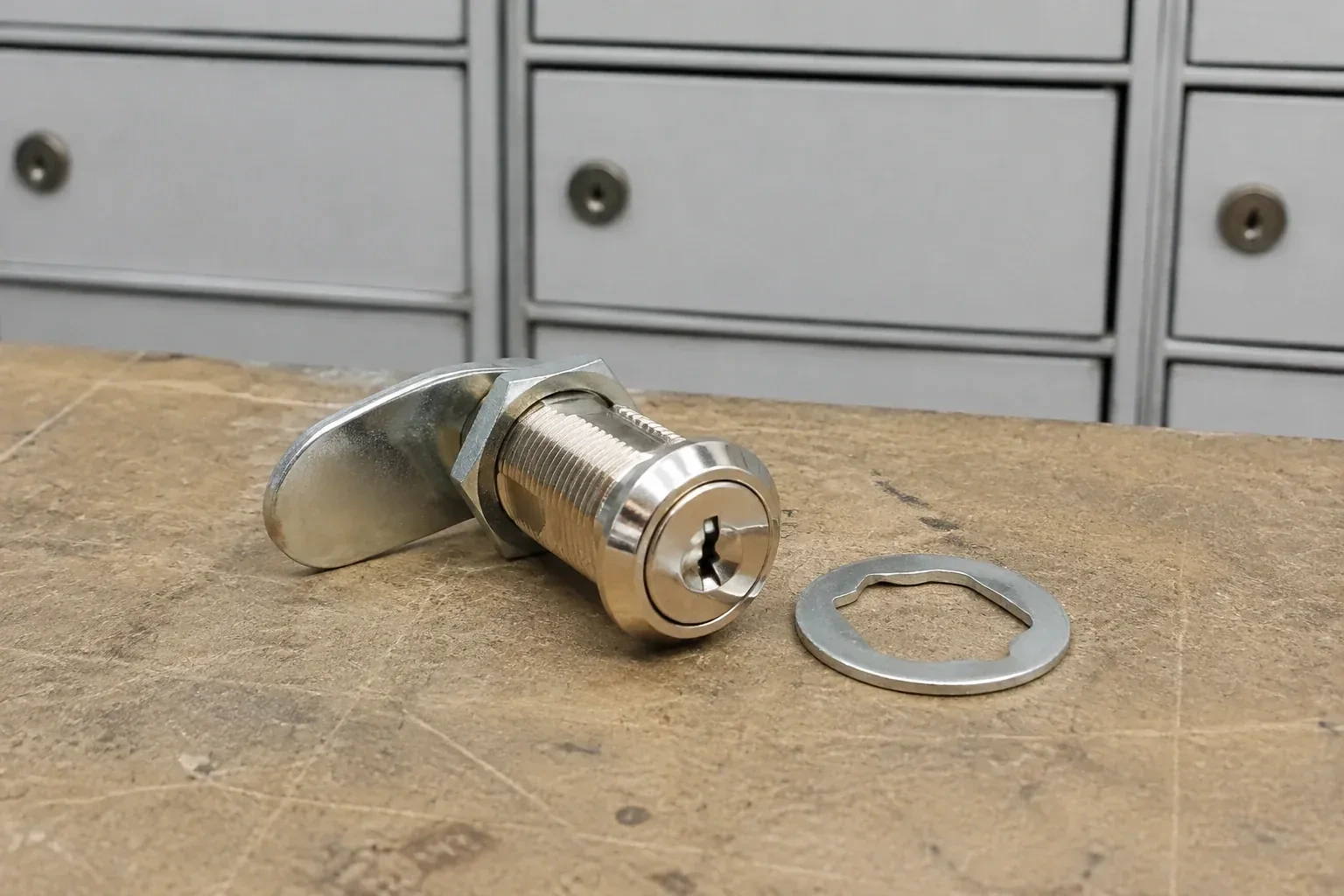
After a winter of road spray and salt, the little lock on the mailbox door has gone stiff, then gritty, then almost immovable. Rust has crept in around the keyway, and the key barely turns anymore no matter how it is worked.
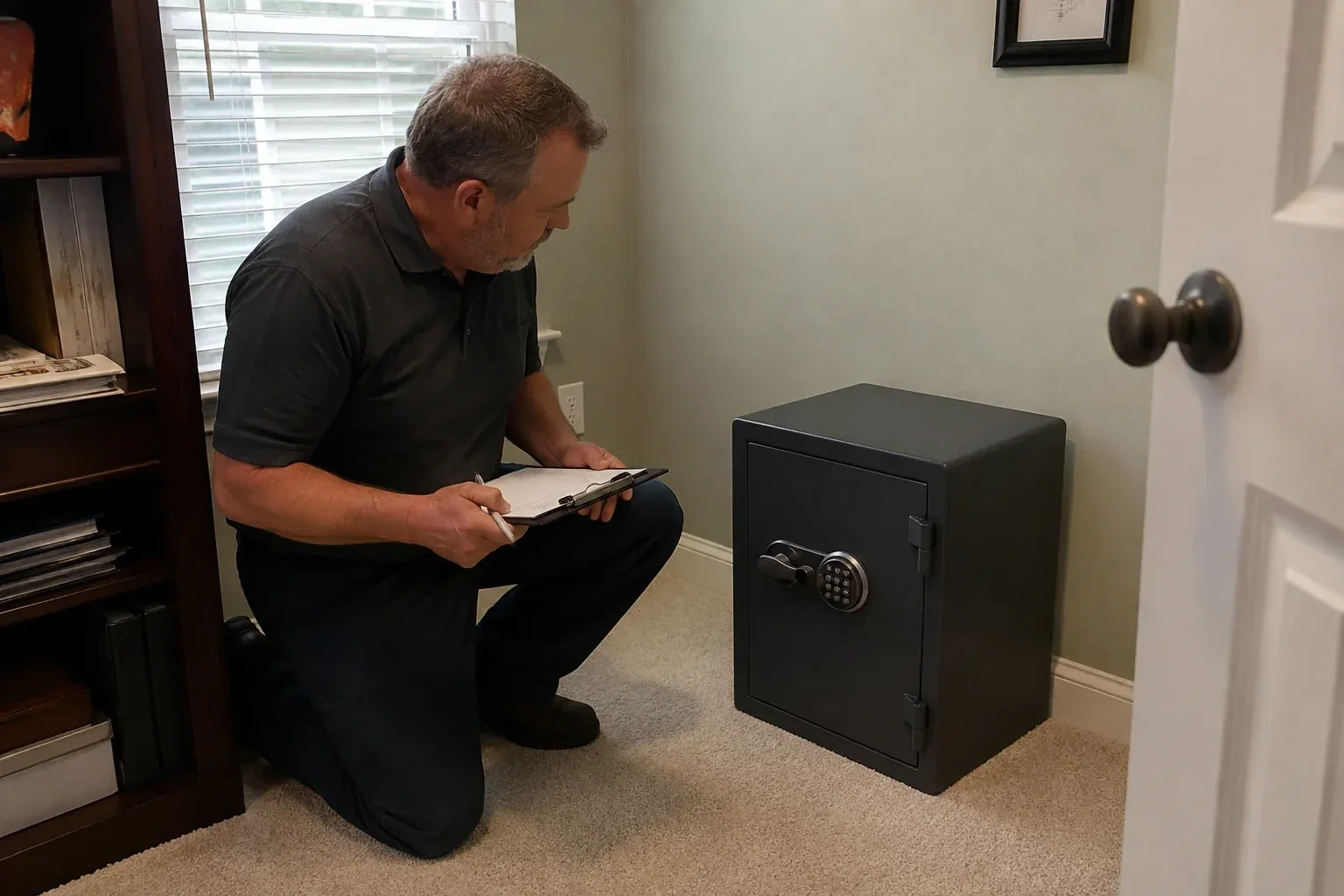
A homeowner inherited a heavy old dial safe from a parent's house, moved it into the new place, and has no idea whether the bolt-work still works, whether the lock is sound, or how it should be anchored.
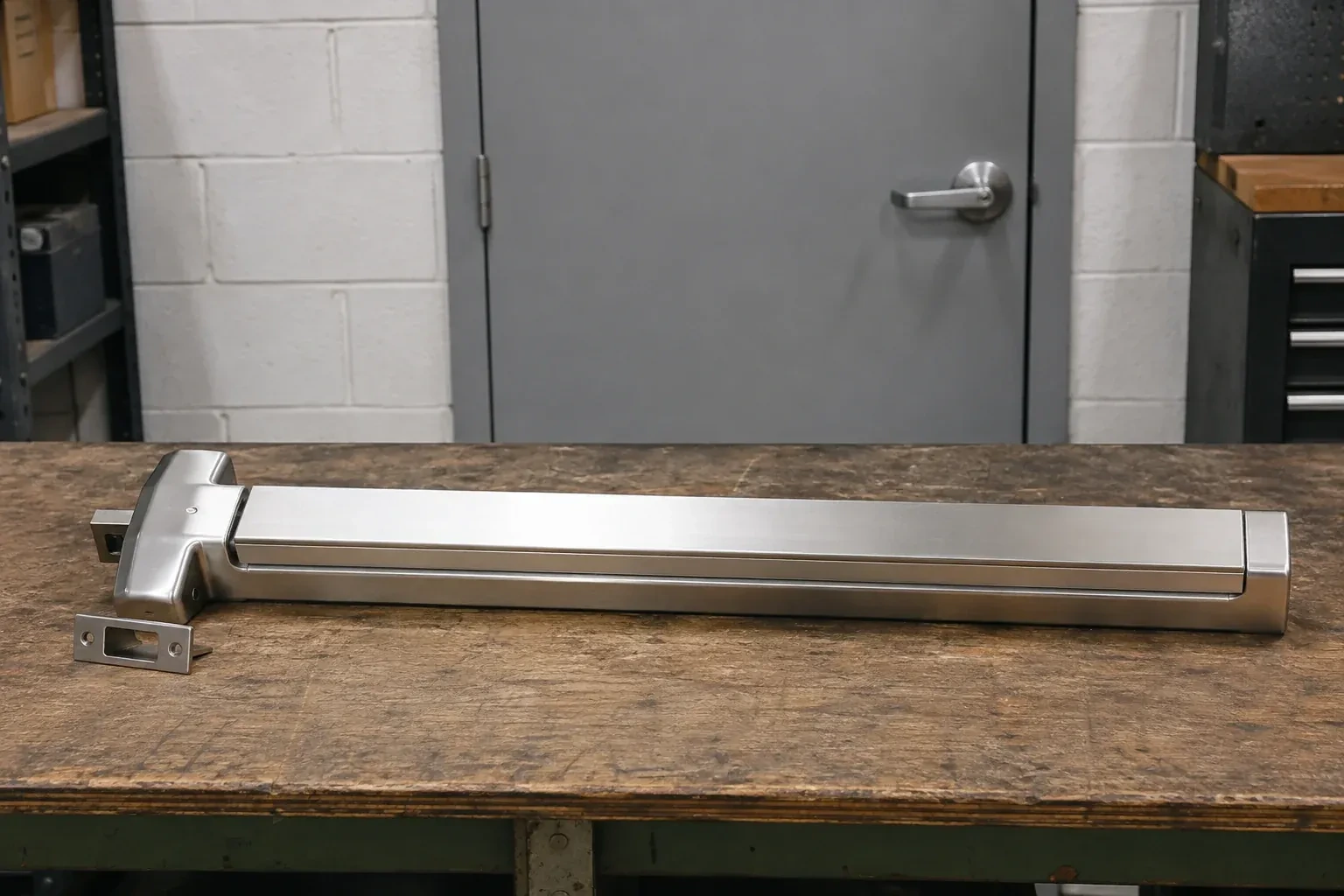
The crossbar on the loading-dock door barely returns anymore. Someone has to lean into it with a shoulder, and twice this month it has stuck half-latched, propped by whatever was nearest.
The key to the office entrance turns with almost no resistance now, and some mornings the deadbolt does not fully retract until someone jiggles the handle and tries the key again.
The remote fob has gone silent, the doors won't unlock with a button press, and the little emergency blade tucked inside it has not been used since the day the car was bought. Nobody remembers exactly where the metal edge is supposed to go once it's out.
After a slushy week the key barely reaches accessory before it stalls, gritty and reluctant, where it used to move cleanly through every position. Warming the car up in the driveway hasn't changed how the barrel feels at all.
After a cold night the driver's door key barely goes in, and when it finally seats it stops halfway and will not turn any further. Meltwater from the day before ran into the keyway and the overnight drop in temperature sealed it solid.
Our high security visits start at the kitchen table with a question about what you are protecting and who you are worried about. From that we choose a level: a solid graded deadbolt for one household, a full restricted system for another.
Running a business means knowing who can get in when you are not there. The commercial services are different ways of answering that: rekey to reset it, master key to organise it, access control to log it, and a safe to protect what matters most inside.
WhyWhen the real concern is who else might hold a key, replacement settles it at the root.
A homeowner inherited a heavy old dial safe from a parent's house, moved it into the new place, and has no idea whether the bolt-work still works, whether the lock is sound, or how it should be anchored.
WhyA code trigger usually starts the conversation: an occupant load over a threshold, a fire inspector's note, or a new use for a room that used to hold far fewer people.
The key to the office entrance turns with almost no resistance now, and some mornings the deadbolt does not fully retract until someone jiggles the handle and tries the key again.
WhyA great deal of what happens during this service is choosing the right category of hardware before a single screw comes out.
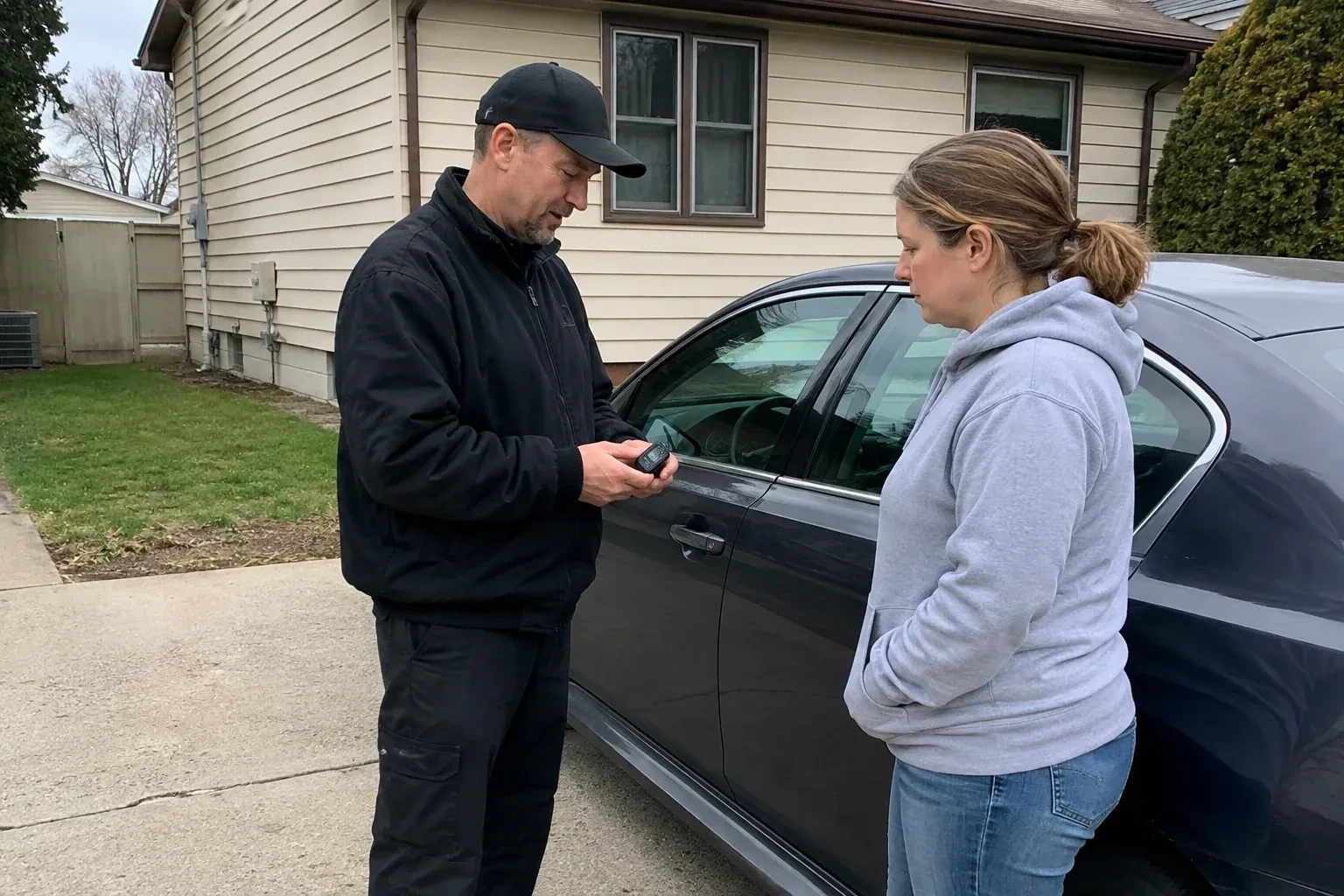
The remote fob has gone silent, the doors won't unlock with a button press, and the little emergency blade tucked inside it has not been used since the day the car was bought.
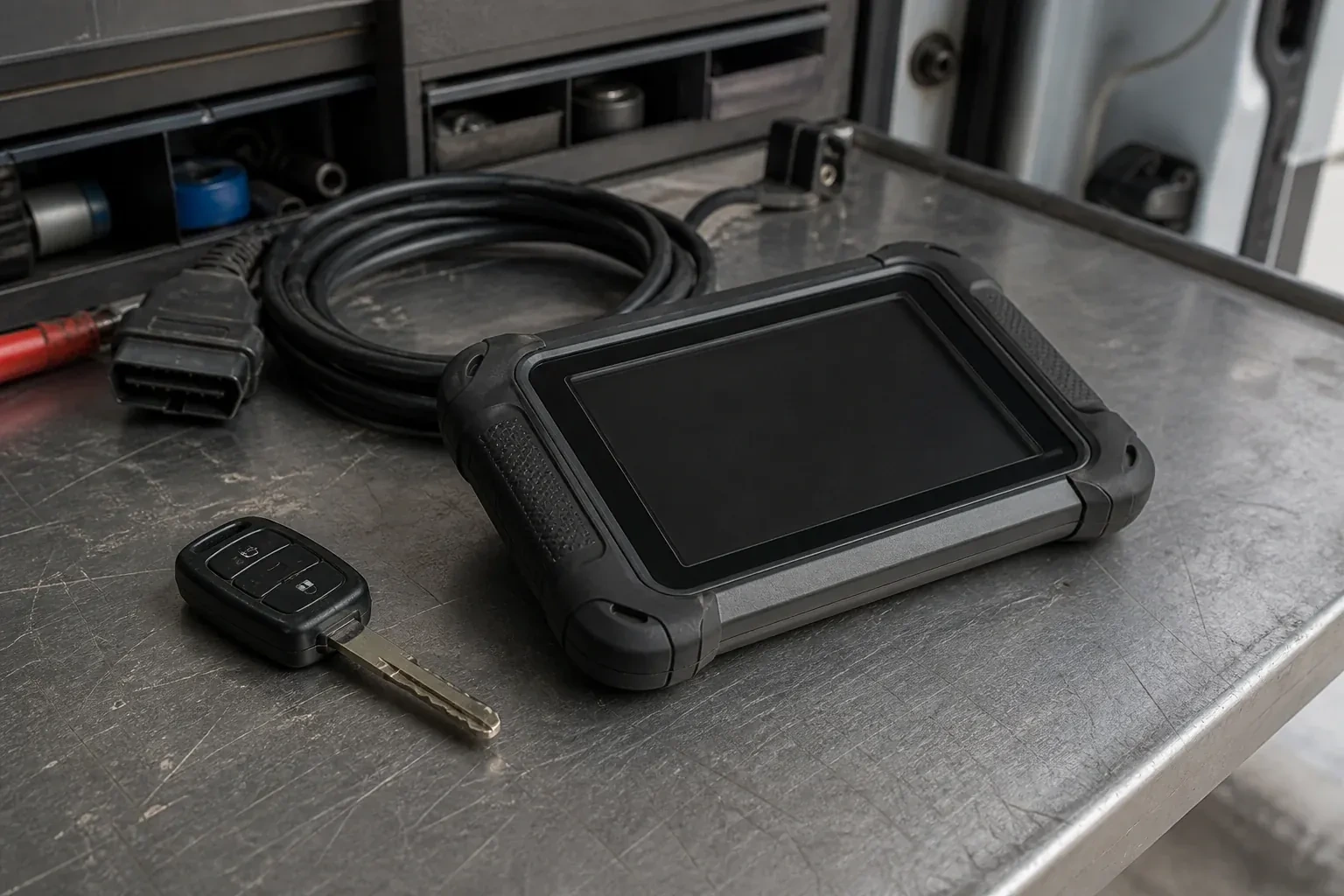
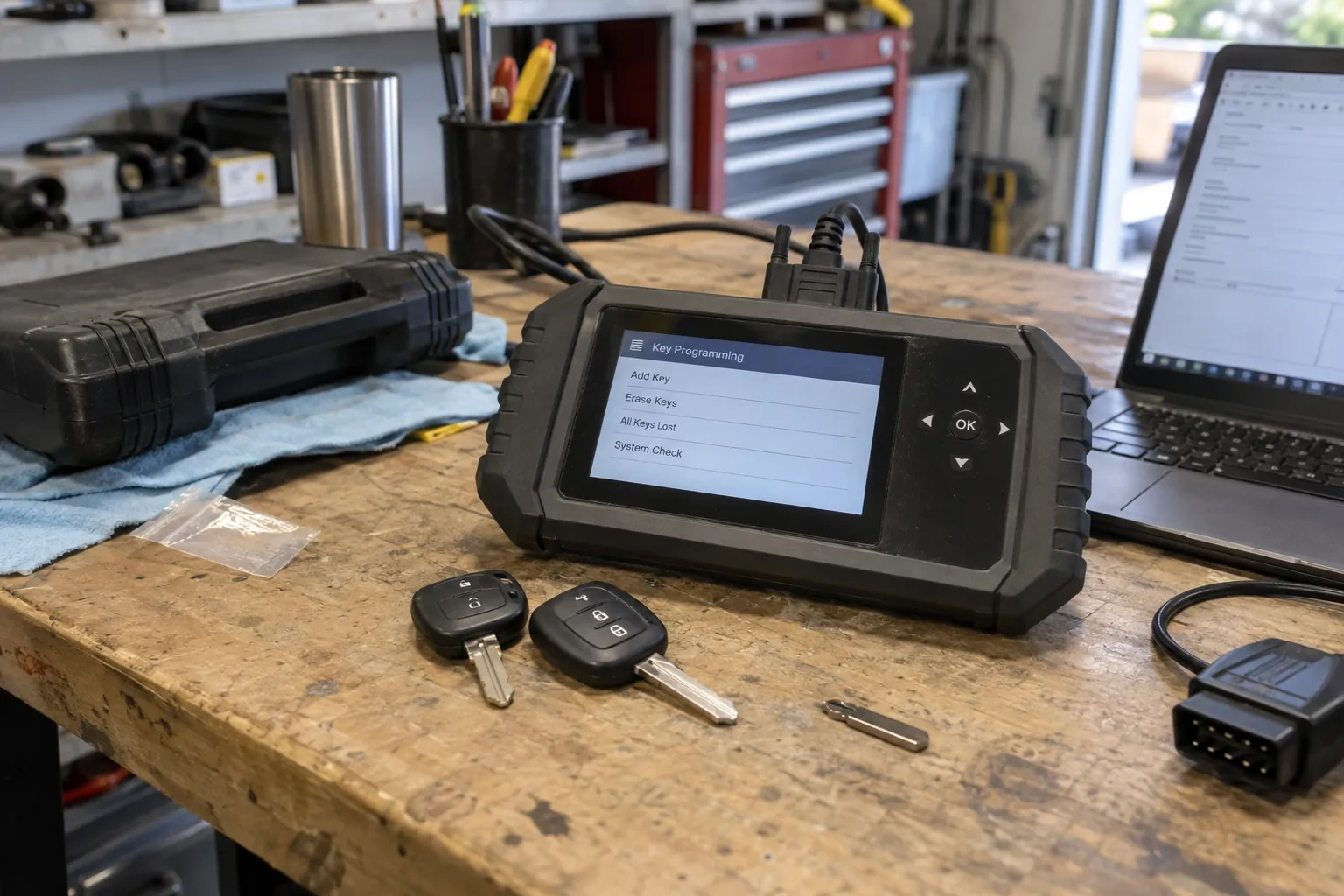
WhyWhen every key for a vehicle is genuinely gone, there is nothing left to vouch for a new one, so the visit starts by re-establishing secure access to the immobilizer's own module, sometimes through the vehicle's manufacturer network.
After a slushy week the key barely reaches accessory before it stalls, gritty and reluctant, where it used to move cleanly through every position.
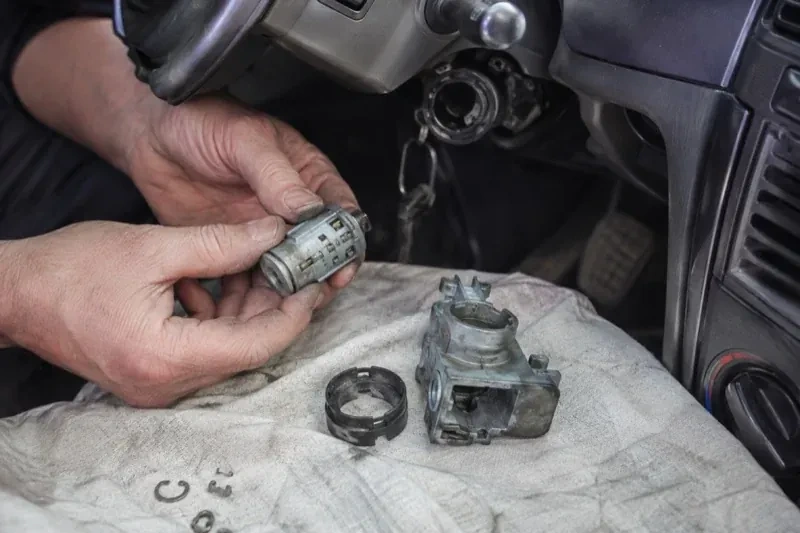
WhyIgnition Lock Repair addresses the mechanical cylinder in the vehicle's keyed ignition assembly, commonly at the steering column though some are instrument-panel mounted, that a key turns through accessory, on and start, separately from any electronic immobilizer or transponder system layered behind it.
After a cold night the driver's door key barely goes in, and when it finally seats it stops halfway and will not turn any further.
WhyA used vehicle sometimes arrives with a lock or two that never quite matched the rest, whether from a prior repair, a replaced door, or a key cut from a worn original.
How a visit goes
Describe the property, the hardware and what has changed, and the visit starts from what you have seen.
1
2
3
01
A short conversation first
You tell us what is happening with the door, who has keys and what you would like to be different afterwards. We ask a few questions so we arrive with the right parts.
02
A proper look at the door
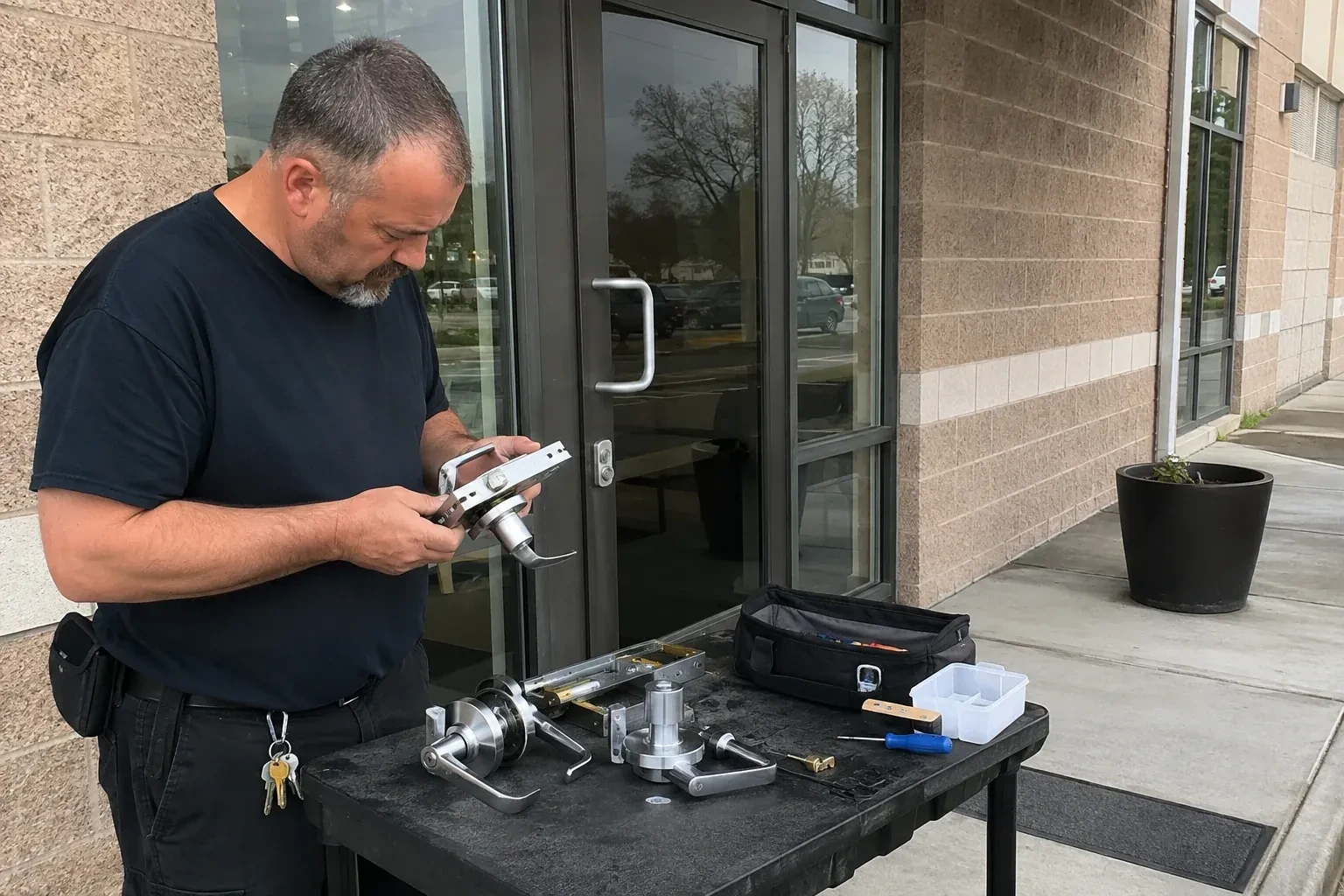
We check how the door hangs, how the latch meets the strike and what the cylinder is doing before deciding anything. Then we explain what we found in plain words.
03
The work, then a walkthrough
We do the job we agreed, test every key and every position of the lock, tidy up and show you how it works before we leave.
The thumb-turn is stuck from inside and we need that door to get out. What should we do?
Use another exit for now and call. From the inside the fault is usually a bolt pinned by the frame or a bent spindle, both of which the locksmith frees without damage. A main exit door should open from inside without a key or special knowledge, so the repair leaves the door doing exactly that, and if the hardware on it was the wrong type for an exit, a thumb-turn deadbolt is suggested.
The door has to be pulled before the old bolt will lock. Will a new one fix that?
The new bolt will only lock as smoothly as the door and frame let it, so the locksmith deals with the cause as part of the installation. A door that has sagged on loose hinges gets longer hinge screws or a shim, thick weatherstrip is trimmed, and the strike is set from the bolt's actual position with the door closed. The pocket is bored deep enough for a full throw. Afterwards the bolt should slide with fingertip effort.
Can you service a community mailbox that the postal operator installed on our street?
That particular kind of mailbox is owned and serviced directly by the postal operator, including its locks and replacement keys, so a resident with a lost key there contacts them rather than a locksmith. This service covers mailboxes that belong to a home, a business, or a condo or apartment building, such as a lobby panel or a slot built into a house door.
How do I decide between a bigger safe now or upgrading later?
It comes down to how much the amount being stored is likely to grow over the next few years. A safe sized with some room to spare avoids an early repeat visit, while a unit sized exactly for today's needs can be outgrown within a year or two for a growing business. Anchoring and lock work do not change much with size, so the main trade-off is simply the footprint the larger unit takes up in the room.
What happens with a pair of doors instead of one?
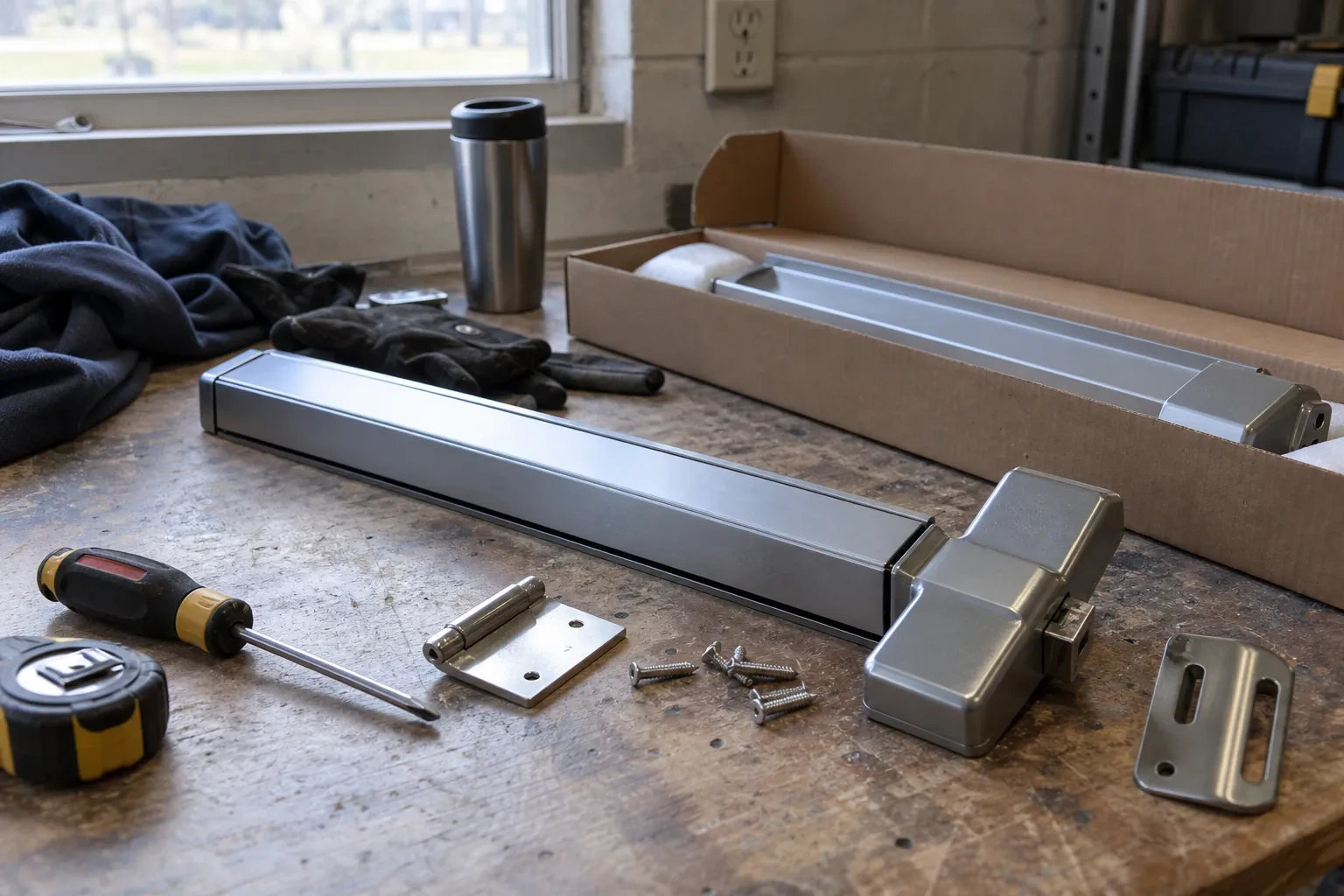
It depends on the pair. Some latch independently and need nothing extra. Where the hardware calls for a set closing order, a coordinator lets the two leaves close in the right sequence, letting the active leaf's device seat properly into a strike carried on the inactive leaf, or into an astragal. Alternatively, the centre mullion can be removed and a vertical-rod device fitted to each leaf, turning the pair into one wide exit. Whichever applies, both leaves are tested working together, not one at a time.
Will replacing the lock affect my alarm or access-control system?
It can, if the door already carries a door position switch, an electric strike or a card reader, so the locksmith checks for that wiring before starting and reconnects and tests it alongside the new mechanical hardware. The goal is a door where the mechanical lock and the electronic system agree with each other rather than one working around the other.
Does cold weather affect a key or its fob?
The metal blade and the passive chip inside it are not affected by cold. The fob's battery is a different story: cold weather reduces a battery's effective output, which can turn a marginally weak battery into one that suddenly stops responding on a cold morning. Testing a fob's battery before winter sets in catches this early.
How do you tell the cylinder apart from the switch behind it?
The cylinder is the part the key physically touches and turns; the switch is the electrical component behind it that responds to each position. The locksmith checks whether the barrel itself moves cleanly through every stop and whether the dash and starter respond at the right moments. When the barrel turns properly but the response is missing, the switch or wiring is a likely cause, though the battery, starter and park/neutral circuit are checked too before settling on it.
How does a locksmith reach the actuator or linkage inside my door?
The interior trim panel is removed using tools shaped to release its retaining clips without marking the panel. On many doors that exposes the cylinder, the linkage rod and the power actuator for individual testing and repair, though some doors keep a carrier plate, water shield or window guide in the way, or use an integrated latch and actuator assembly, and are worked on accordingly.
Request a visit
The van that comes to Whitchurch-Stouffville carries what the job is likely to need: cylinders in the common finishes, pinning kits, strike plates in several depths, blanks for house and vehicle keys, and the small screws that always seem to be missing. Being stocked means the work is finished in one visit and you can compare real parts at the door rather than photos on a screen.