High security · Whitchurch-Stouffville
Safe Opening & Combination Change
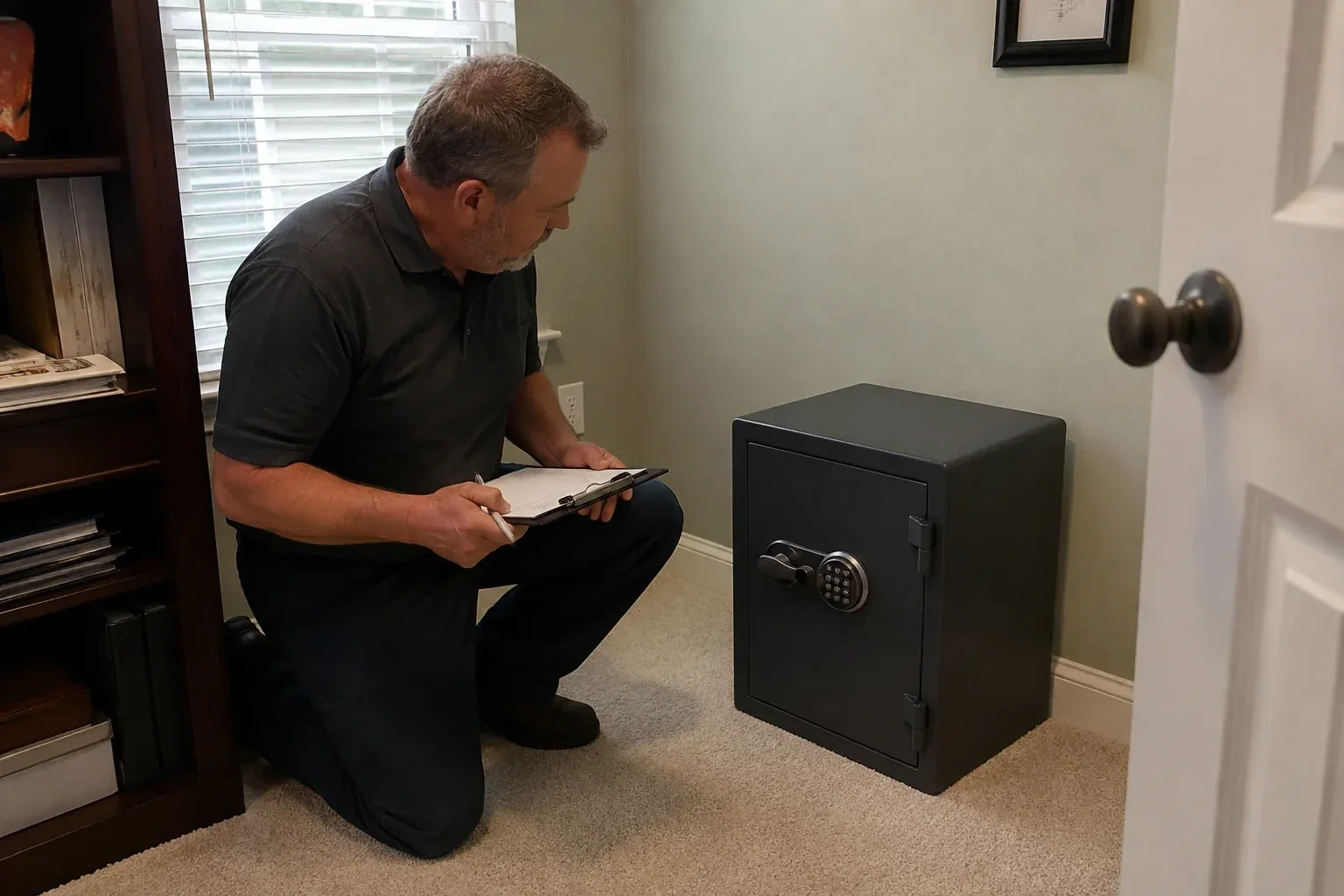
The bookkeeper who set the office safe's code retired in a hurry, and the float cash for tomorrow's registers is sitting behind a keypad nobody else in the building can operate.
In plain words
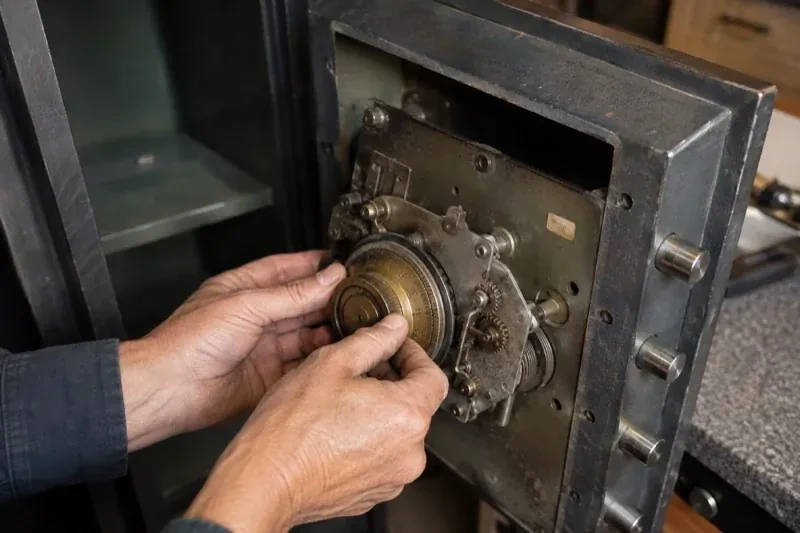
Safe opening favours the gentlest method that fits the particular safe and lock, with drilling kept as a later option rather than a first resort. Manipulation and decoding are tried first for a mechanical dial, and a manufacturer reset or override path where one exists for an electronic keypad. Where those routes are unavailable or exhausted, drilling enters the conversation, aimed at a point the maker's own service literature marks as reachable and repairable. Most safes that still have their original lock in reasonable condition never reach that last rung at all.
How the visit goesThe new manager took over the shop last month and only now needs the back-office safe open, but the combination the previous owner was supposed to leave in writing never turned up anywhere in the handover file.
Safe Opening & Combination Change
How the visit goes
Looking for a relocker or prior damage
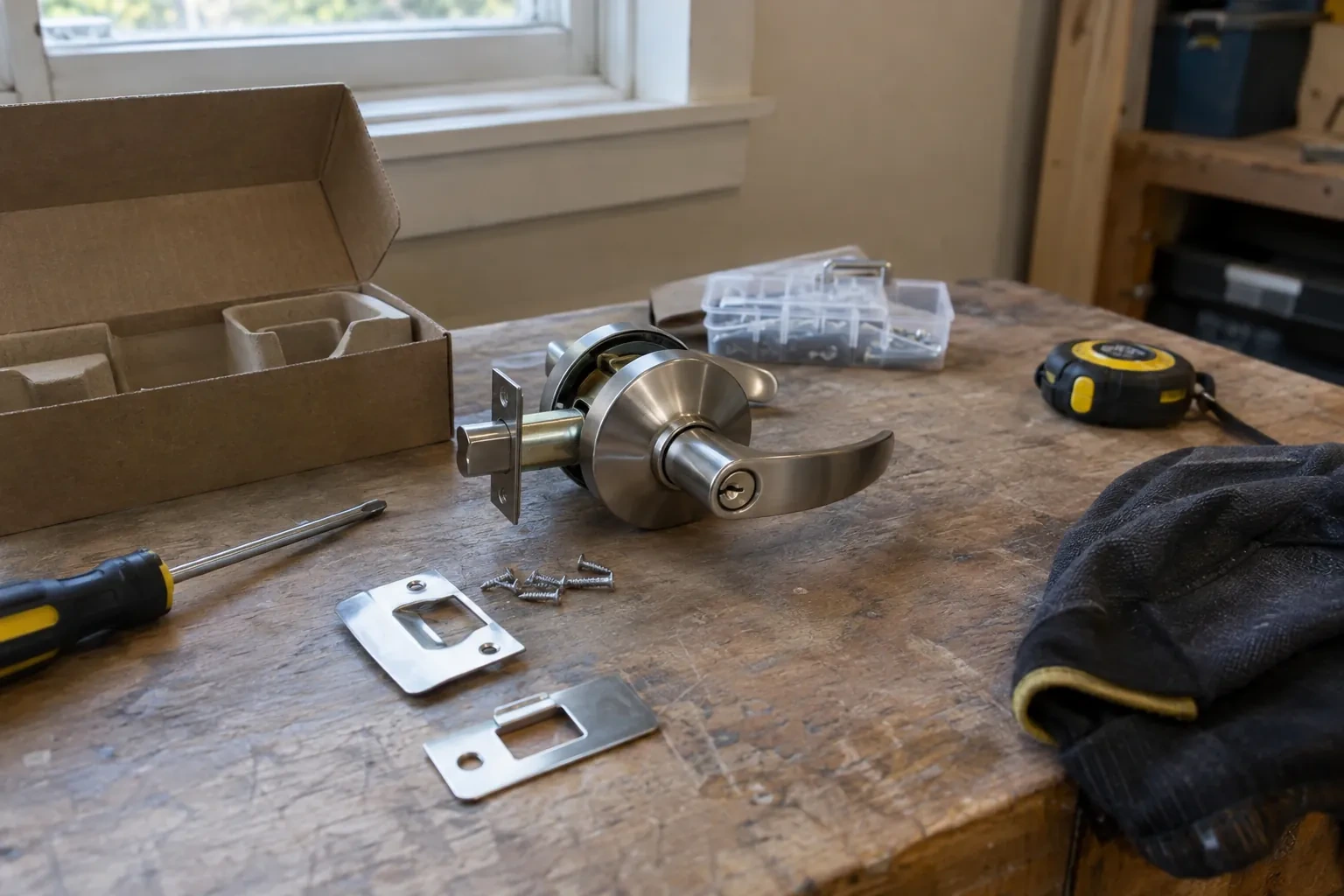
Some safes include a relocker, a small device built to jam the bolt work until a trained technician services it, if the case is drilled in the wrong place, dropped, or exposed to fire. The locksmith looks for pry marks, drill attempts, scorching or a history of the safe being moved or dropped, since any of these can explain a lock that suddenly refuses a combination that worked yesterday. Recognizing a tripped relocker early changes the plan: the fix is mechanical, freeing or replacing the relocking mechanism, rather than another attempt at the original combination or a straightforward reset.
Drilling through a chosen, repairable point
When manipulation, decoding and the electronic reset path all fail to open the safe, drilling is explained to the owner before it begins, aimed at a specific point the lock manufacturer's own service documentation identifies as both reachable and safe to repair afterward. A borescope is used through the drilled hole to view the lock's internal parts directly and manipulate or bypass them without further damage. The aim is to affect nothing beyond that single hole, patched or plugged as one of the last steps of the visit, though the number of holes needed and any effect on the safe's rated protection level depends on its construction and is addressed with the manufacturer's approved repair method.
Keeping a record without keeping it obvious
A combination worth changing is worth writing down somewhere that is not the safe itself. A sealed note with a manager, a separate secure file, or a password manager used for other business records all work better than a sticky note in a nearby drawer or taped beneath the safe, which is one of the first places anyone would look. For a business, deciding in advance who updates that record when staff change keeps the next transition from repeating this one. The locksmith can suggest a simple system on the spot if none currently exists.
Safe Opening & Combination Change
In the van
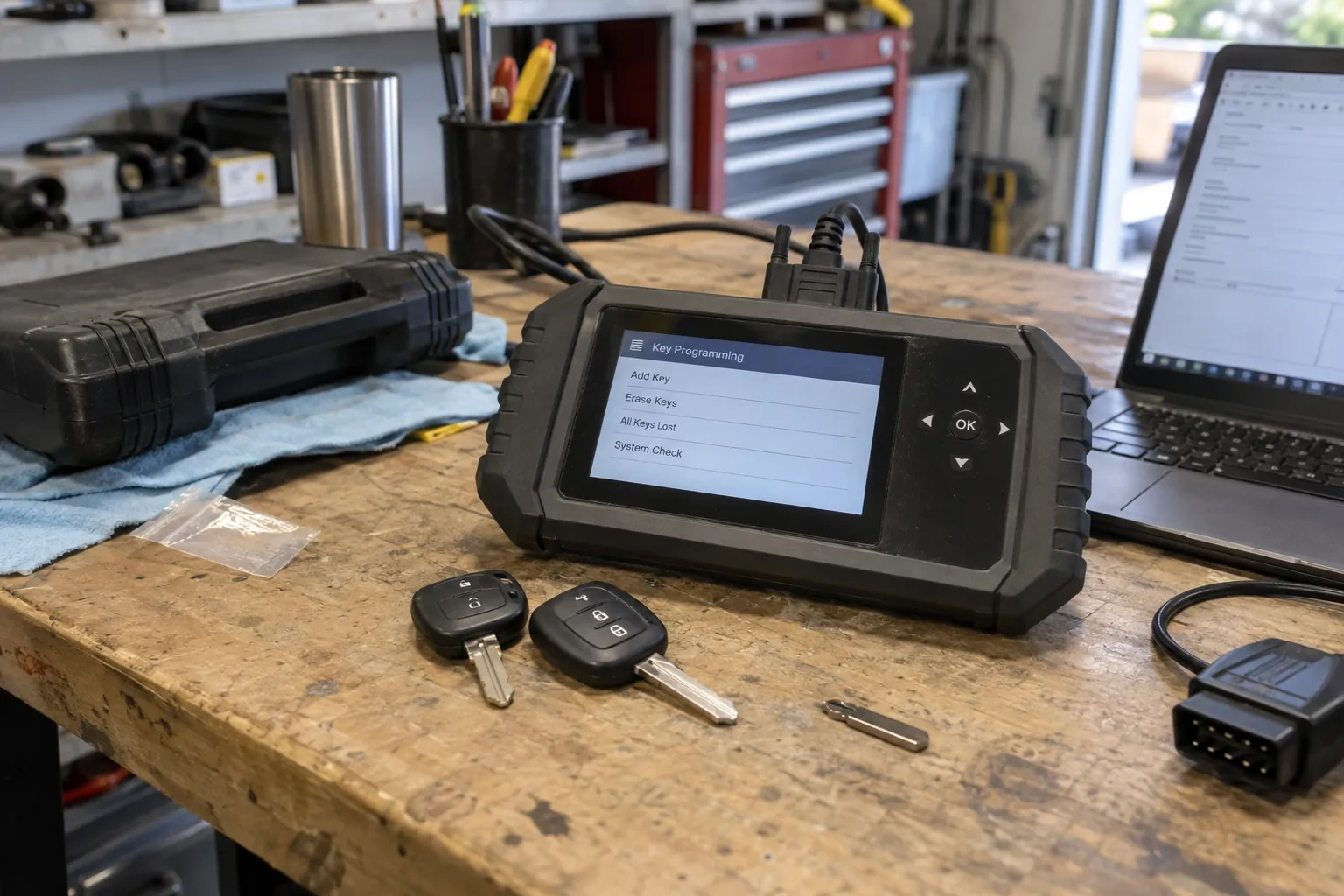
Drill rig and carbide bits
Spindle and drive cam
Replacement wheel pack
Borescope for internal viewing
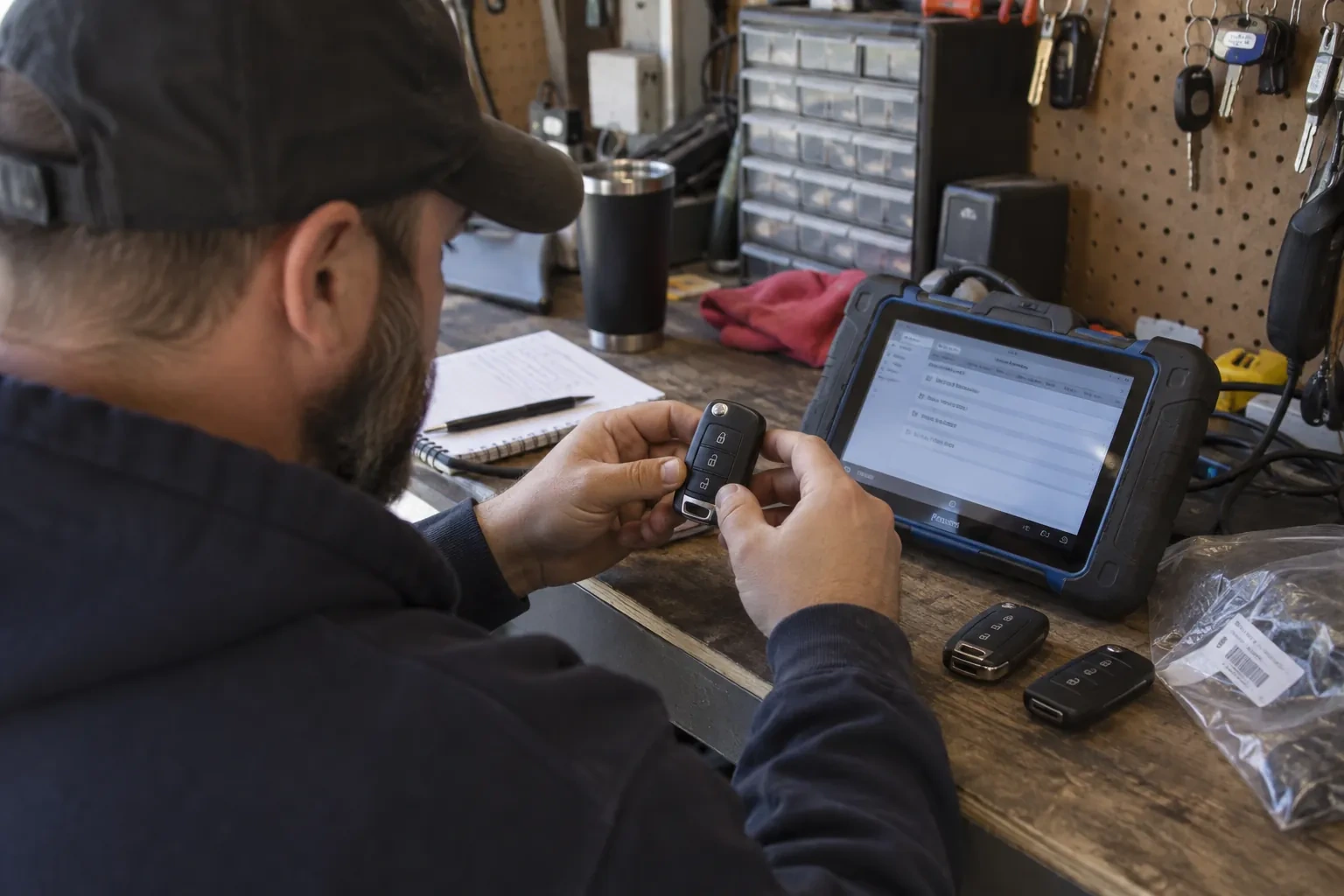
Manufacturer reset tool
Safe Opening & Combination Change
What affects the quote
Whether model or service records are available
A visible data plate, a purchase receipt or a manual on hand speeds up identifying the exact lock; a safe with none of that takes a few extra minutes to assess on site.
Where the safe is located
A safe bolted to a floor, built into a wall, or set in a tight closet or basement corner takes more time to work around than one standing freely in an open room.
Number of new codes needed afterward
Setting one combination for a single owner is the simplest case; programming separate codes for several staff members on an electronic lock takes correspondingly more time.
What to have ready
- What brand and model is the safe, if you know it?
- Do you own the safe, or manage it for someone else?
- Is the safe bolted down, built in, or freestanding?
Safe Opening & Combination Change: questions
QuestionsCan a safe be repaired instead of replaced after drilling?
Often, yes, particularly for a mechanical lock, where a worn wheel pack, drive cam or spindle can be replaced individually within the existing lock body. An electronic lock's circuit board and keypad are less often repairable in place and are more commonly swapped for a comparable or higher-rated replacement unit that fits the same cutout.
What is a relocker, and does it change how the safe is opened?
A relocker is a small device inside some safes built to jam the bolt work until a trained technician services it, if the case is drilled in the wrong spot, dropped, or exposed to fire, as a defence against forced entry. If one has tripped, the fix is mechanical: freeing or replacing the relocking mechanism, rather than another attempt at the combination. Recognizing a tripped relocker early changes the plan from the first visit rather than after several failed attempts.
What should I have ready before the visit?
The safe's brand and model if you know them, whether the lock is a dial, a keypad or a key, roughly how old the safe is, and how the combination was lost or forgotten. Mention whether the safe holds anything with its own handling needs, such as firearms or business records, and how many people should have the new code afterward.