Commercial · Ringwood
Commercial Rekeying in Ringwood
Two people left over the summer and the keys they handed back came up one short.
In plain words
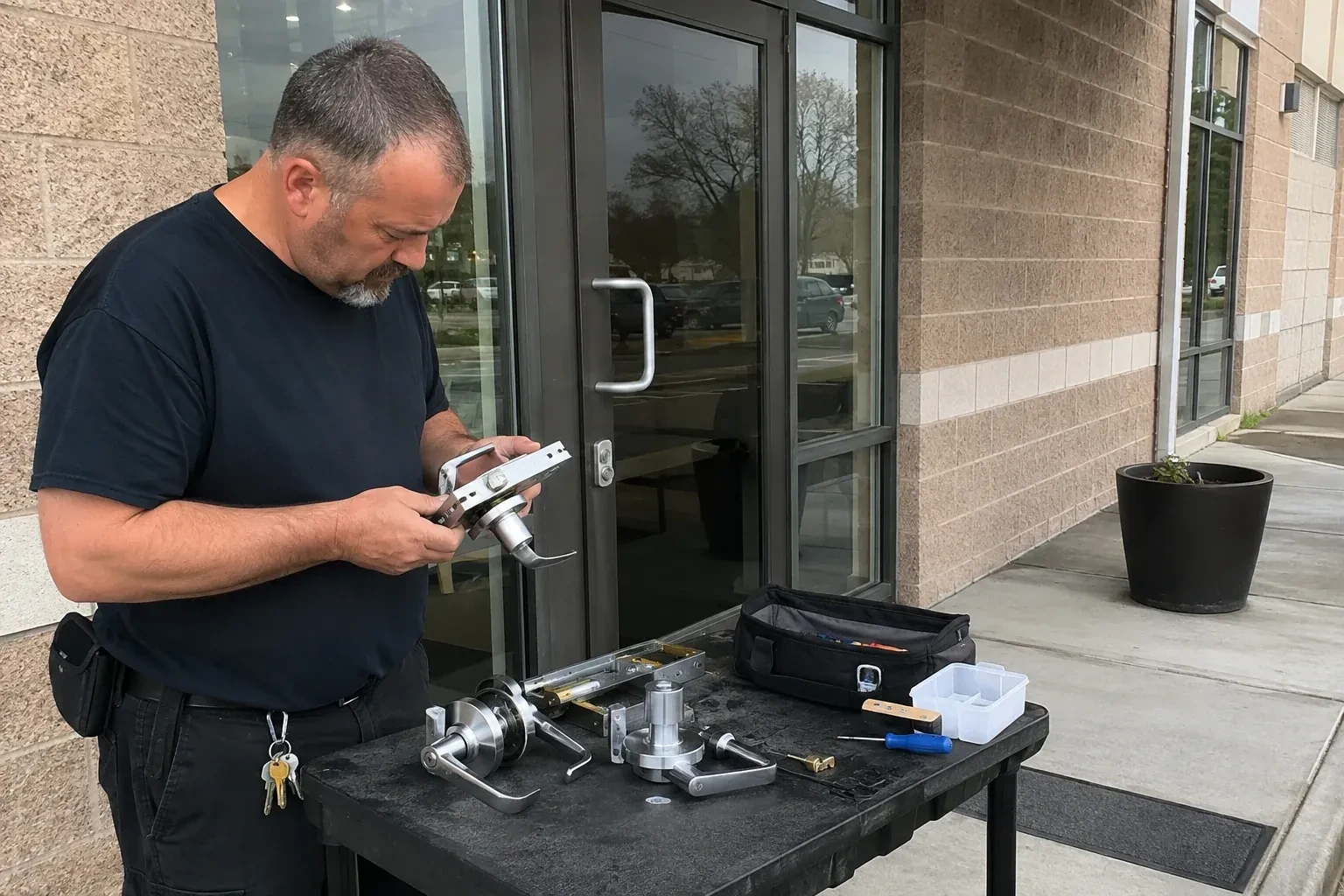
For most business doors, rekeying is the sensible middle path between doing nothing and buying new hardware. Commercial cylinders are built to be repinned many times, and a lever set, mortise lock or storefront cylinder in decent condition has years left in it. Rekeying keeps the finish, the door preparation and the handles you already have and changes only the small brass pins inside. Where a cylinder is worn, corroded by winter salt or too light for the room behind it, the locksmith says so and offers a replacement for that door alone; the rest are rekeyed to the new plan.
How the visit goesThe office has been reshuffled twice since the locks were last touched. Reception can open the server room, the warehouse crew has a key to accounting, and the chart that once explained who could open what has not been seen since the move.
Commercial Rekeying
How the visit goes
Who needs to open what
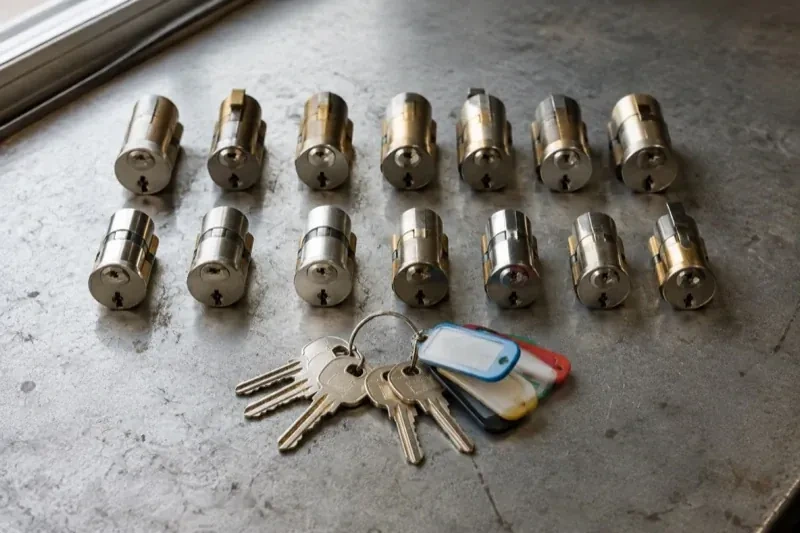
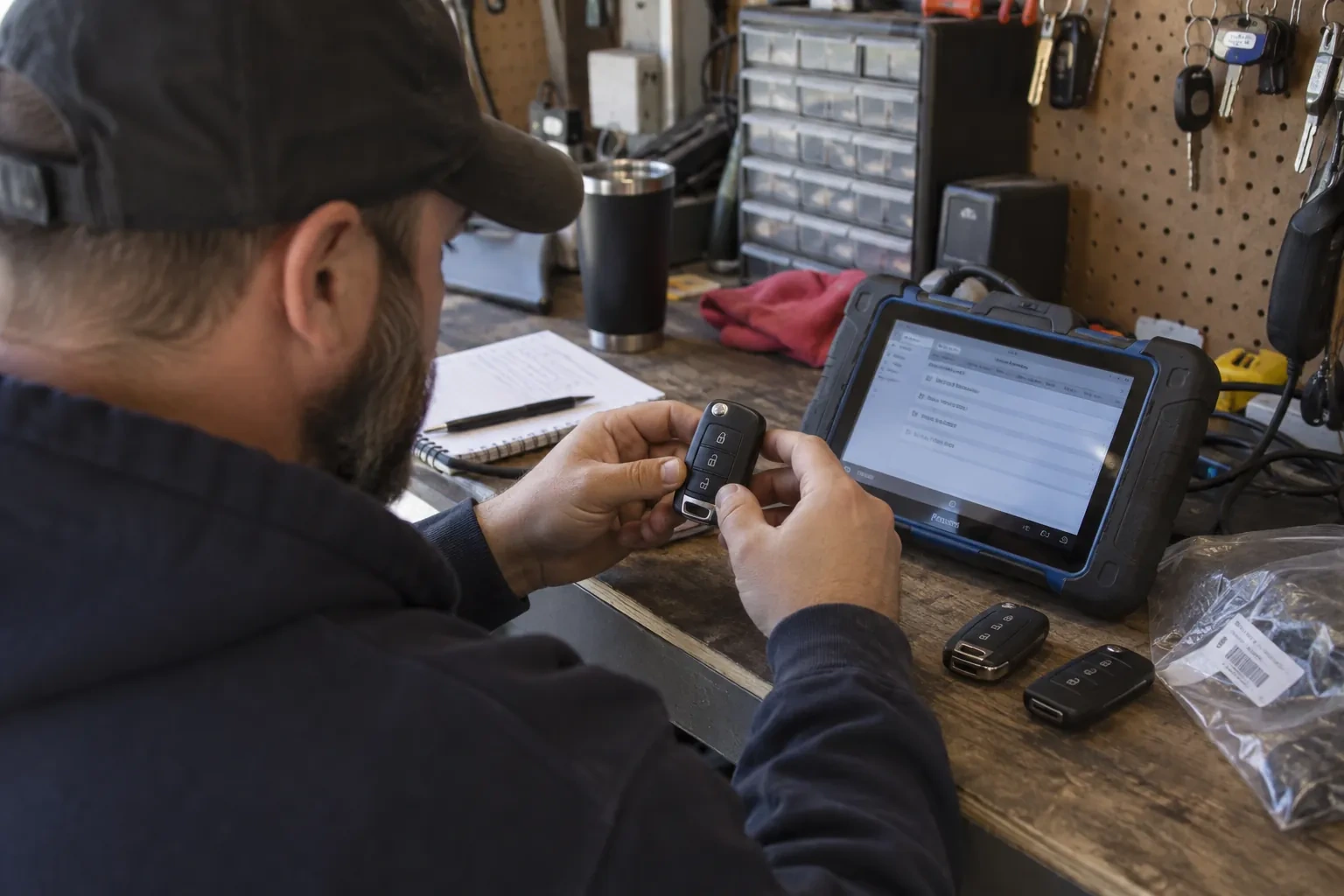
The keying plan is a picture of how the business runs, so the assessment asks who goes through which door on a normal day. Front-line staff need the customer entrance and perhaps the stockroom; supervisors add the office; the owner and the bookkeeper hold the cash room; the IT contractor reaches the server closet and nothing else. Out of that conversation come the key groups: doors keyed alike so one key covers a role, doors keyed differently where separation matters, and whether a master for the owner earns its place. The plan also names anything left out on purpose, so the chart shows both what changes and what stays.
Repinning a standard cylinder
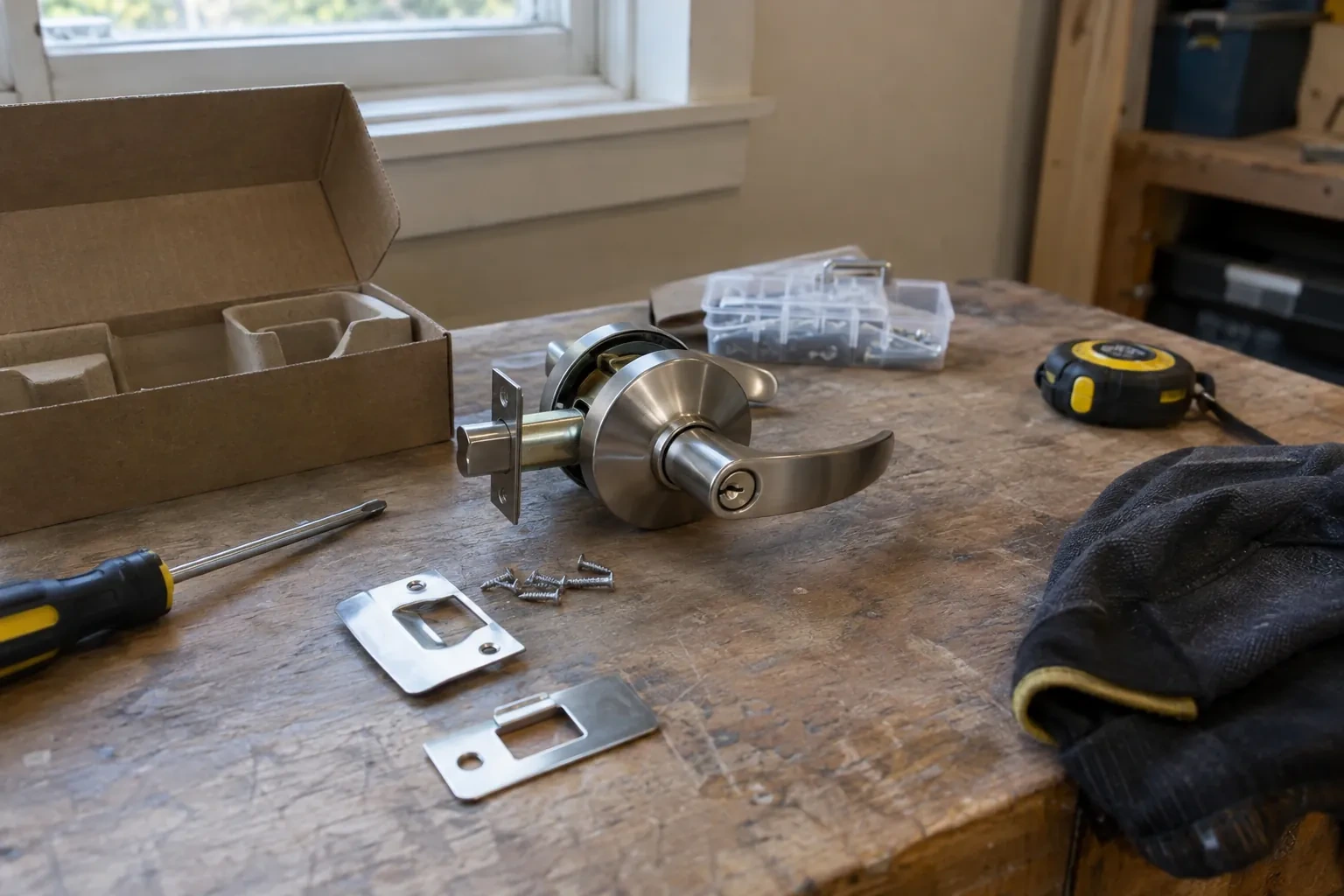
The cylinder is taken off the door and its plug is slid out with a follower, a small tube that holds the top pins and springs in place so nothing scatters. The old bottom pins are tipped out, and a new combination is chosen from the pinning records so it does not collide with any other key in the plan. Fresh pins of the matching depths are dropped into each chamber, the plug goes back in, and the new key is tried: it should turn as smoothly as if the lock were new, and the old key should stop dead. The cylinder is then refitted and adjusted so the cam or tailpiece throws the bolt fully.
Exits that still open the way they must
Rekeying changes who can come in; it never changes how people get out. Every exit door and every door on the way to one is left opening from the inside with a single motion and no key. On a door with a panic bar, the outside cylinder simply controls entry, and the bar keeps working exactly as before. Once the locksmith has finished, walk the exit routes yourself, push each bar and turn each thumb-turn, and make that walk a habit at the start of every season so a new deadbolt or a helpful padlock never creeps onto an exit.
Commercial Rekeying
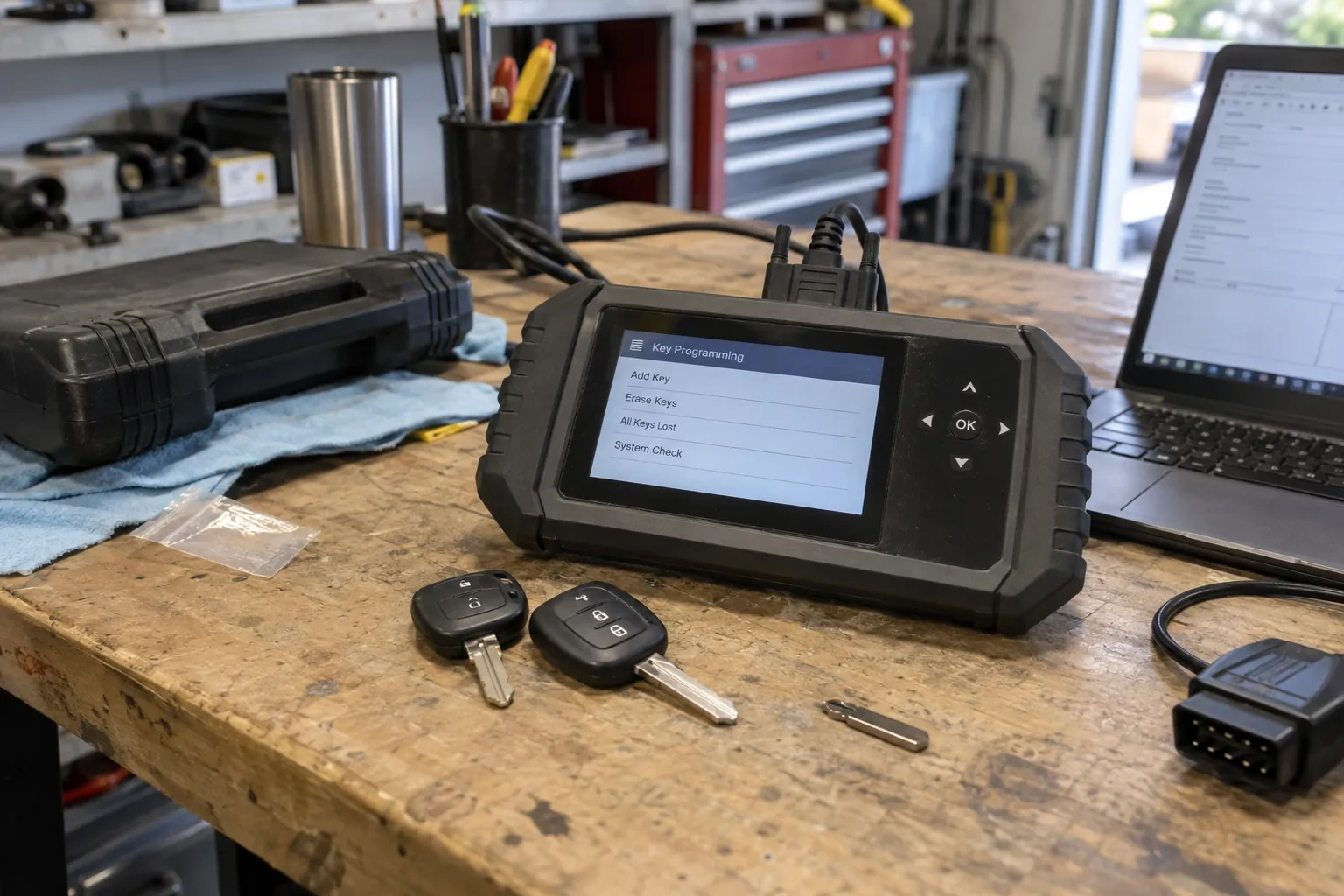
In the van
Rekeyable padlocks
Commercial pin kit
Dry graphite or PTFE lubricant
Standard and restricted key blanks
Interchangeable cores and control key
Commercial Rekeying
What affects the quote
Doors out of alignment
A door whose cam, strike or closer needs adjusting so the freshly rekeyed cylinder throws the bolt fully is corrected during the visit, and that adjustment is a separate item.
Number of cylinders
The count of openings drives the quote more than anything else: each cylinder is removed, repinned, refitted and tested individually, so a three-door shop and a twelve-office suite are very different jobs.
Padlocks, cabinets and mailboxes
Small locks add up. Each padlock repinned to the door key, each cabinet keyed alike and each mailbox cylinder replaced is listed on its own so you can decide what to include.
What to have ready
- Do you want one key for everything, or separate groups with a master?
- Are any cylinders stiff, loose or hard to turn at the moment?
- How many doors, padlocks and cabinets do you want included, and where are they?
Commercial Rekeying: questions
QuestionsHow do you confirm I am allowed to have the locks changed?
For a business the locksmith looks for someone with standing: the owner, a director, or a manager who can show written authority from one of them. A lease, a business registration or a letter on company paper usually settles it, along with photo identification. Where doors belong to a landlord, the property manager's approval is asked for as well. This is a short step and it protects the business from having its own locks changed by the wrong person.
We lost a master key. Does the whole building need doing?
Only the cylinders that master opened, which the keying chart identifies. If the lost key was the top master, that is every lock in the system; if it was a departmental master, it is that department's doors. Where no chart exists, the locksmith reads the cylinders first to establish what the key reached. The remaining doors, and any keys that never opened them, are left exactly as they are.
What is a keying chart and why does it matter afterwards?
A keying chart is a plain list of every opening, the key group that operates it, the code stamped on those keys and the number issued. Months later it lets you answer exactly which doors a missing key opened, and it lets a locksmith add a new door to the system without changing anything else. Keep it with the key register, somewhere locked, with a copy off site.
Related services
- Access Control InstallationSomething went missing from the storeroom over a weekend, and when you ask who was in the building, the honest answer is anyone with a key.
- Panic & Exit HardwareAfter the fit-out, the gym floor now holds more people than the old office space ever did, and the exit door at the back still has the same turn-lock it had when the room held desks.
- Commercial-Grade Lock ReplacementHead office wants every branch keyed alike under one system, and half the locations are still running whatever lockset the original contractor happened to install years ago.