Change or rekey · Whitchurch-Stouffville
Lock Replacement & Upgrade
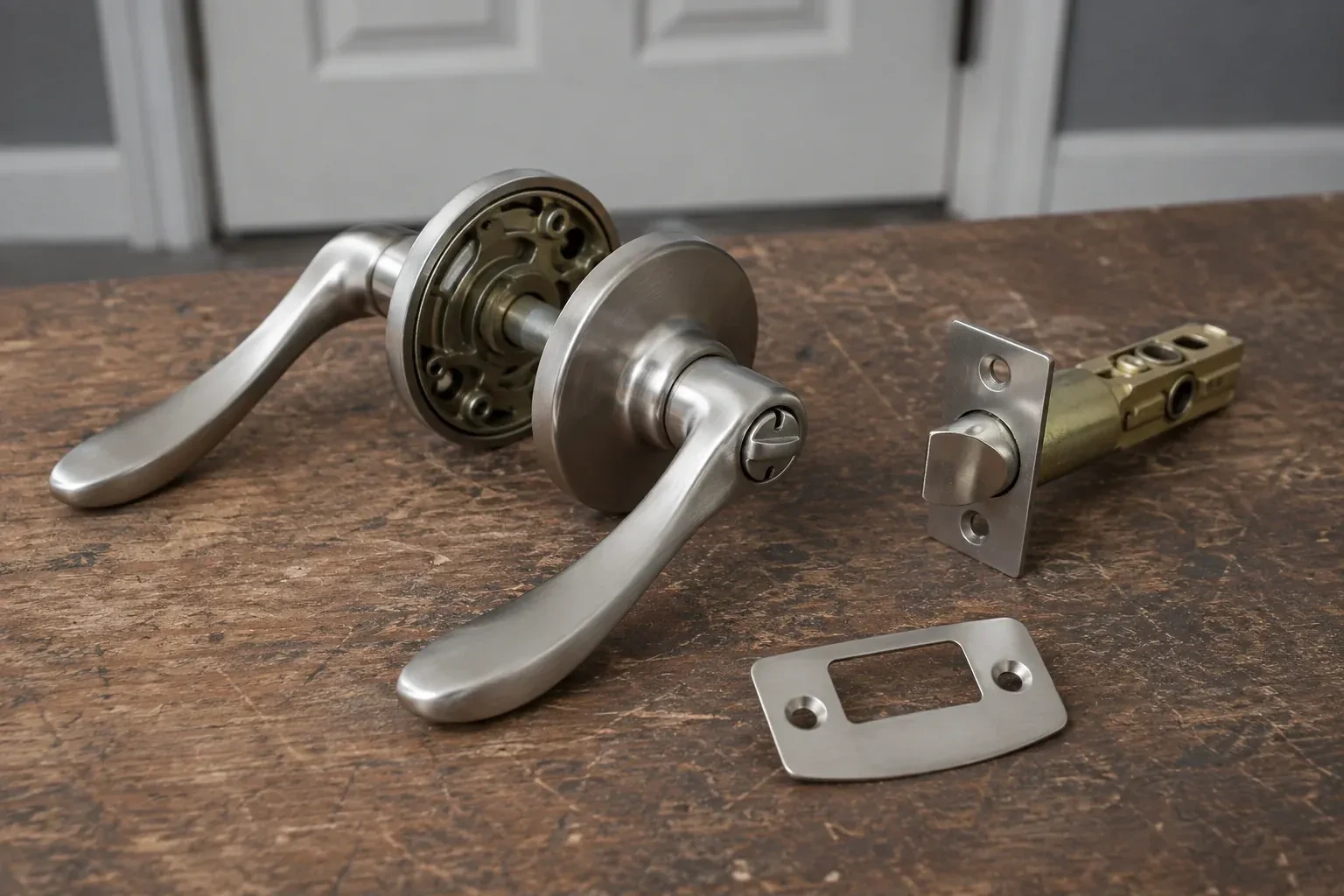
The century home's original mortise lock takes a key the size of a spoon, sticks in humid weather and has worn its strike to a groove.
In plain words
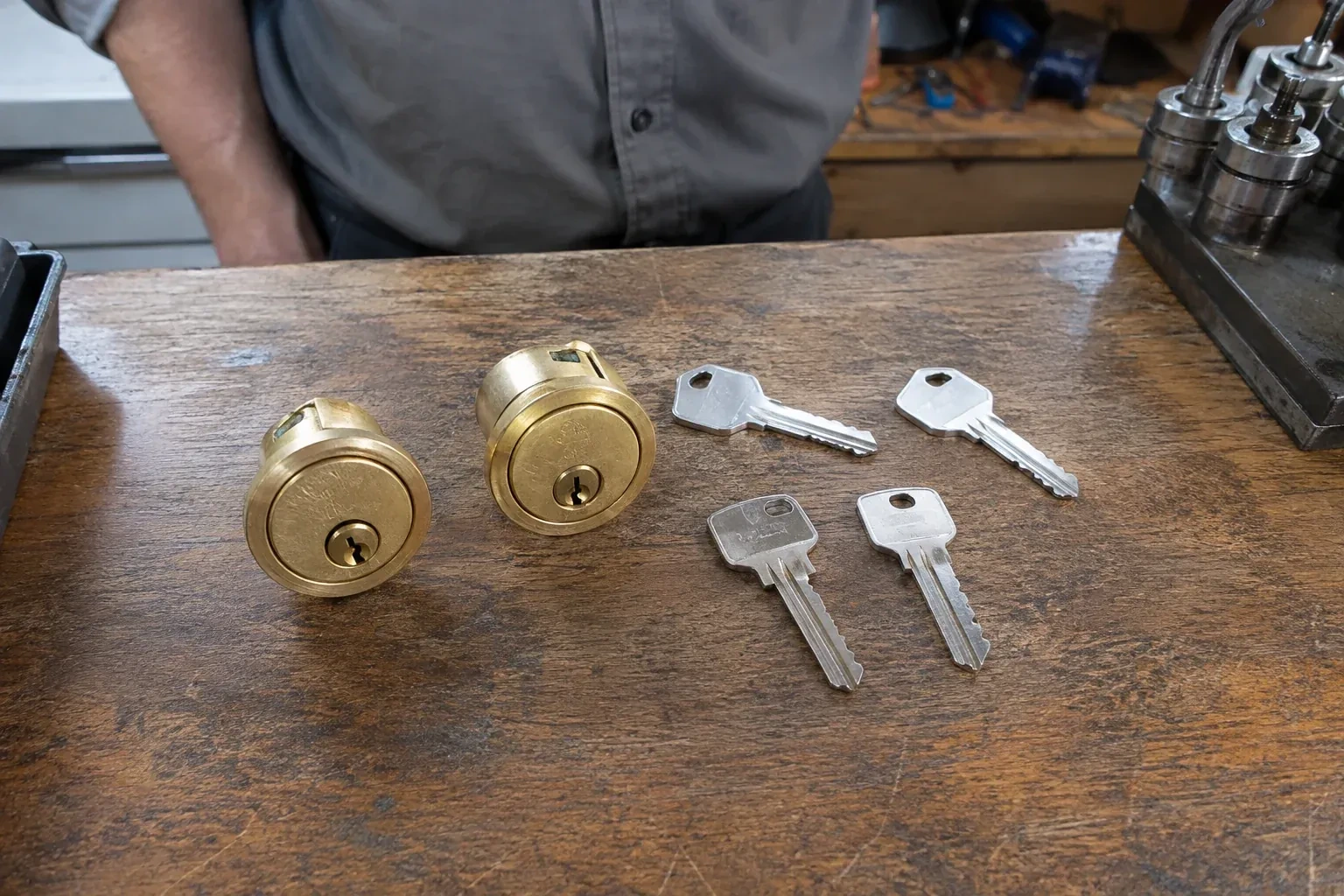
Not every complaint about a lock ends in a new lock, and a good visit says so. A cylinder that turns stiffly may only need cleaning and fresh pins; a lost key calls for rekeying, which keeps the hardware and changes the key; a loose lever often wants a tightened spindle. Replacement earns its place when the mechanism is worn through, the housing is damaged, the grade was never adequate for the entrance, or you want a different function, finish or a keypad. The locksmith lays the three routes side by side so the choice rests on what the door needs rather than on what is in the van.
How the visit goesThe house is fifteen years old and every exterior door still wears the light hardware the builder fitted: a short bolt, a thin strike held by two small screws, and a knob lock that never suited a street entrance.
Lock Replacement & Upgrade
How the visit goes
Measuring the existing preparation
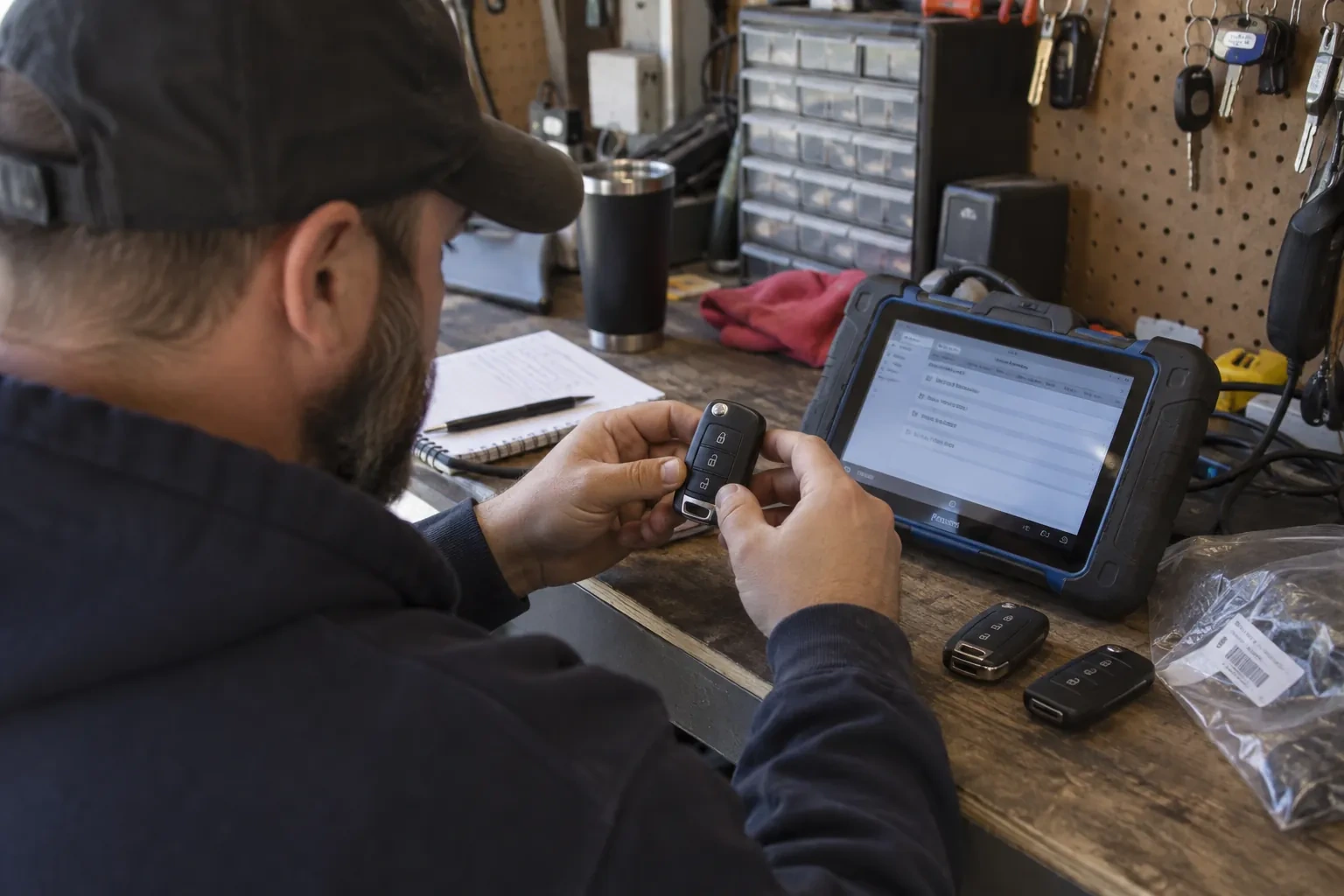
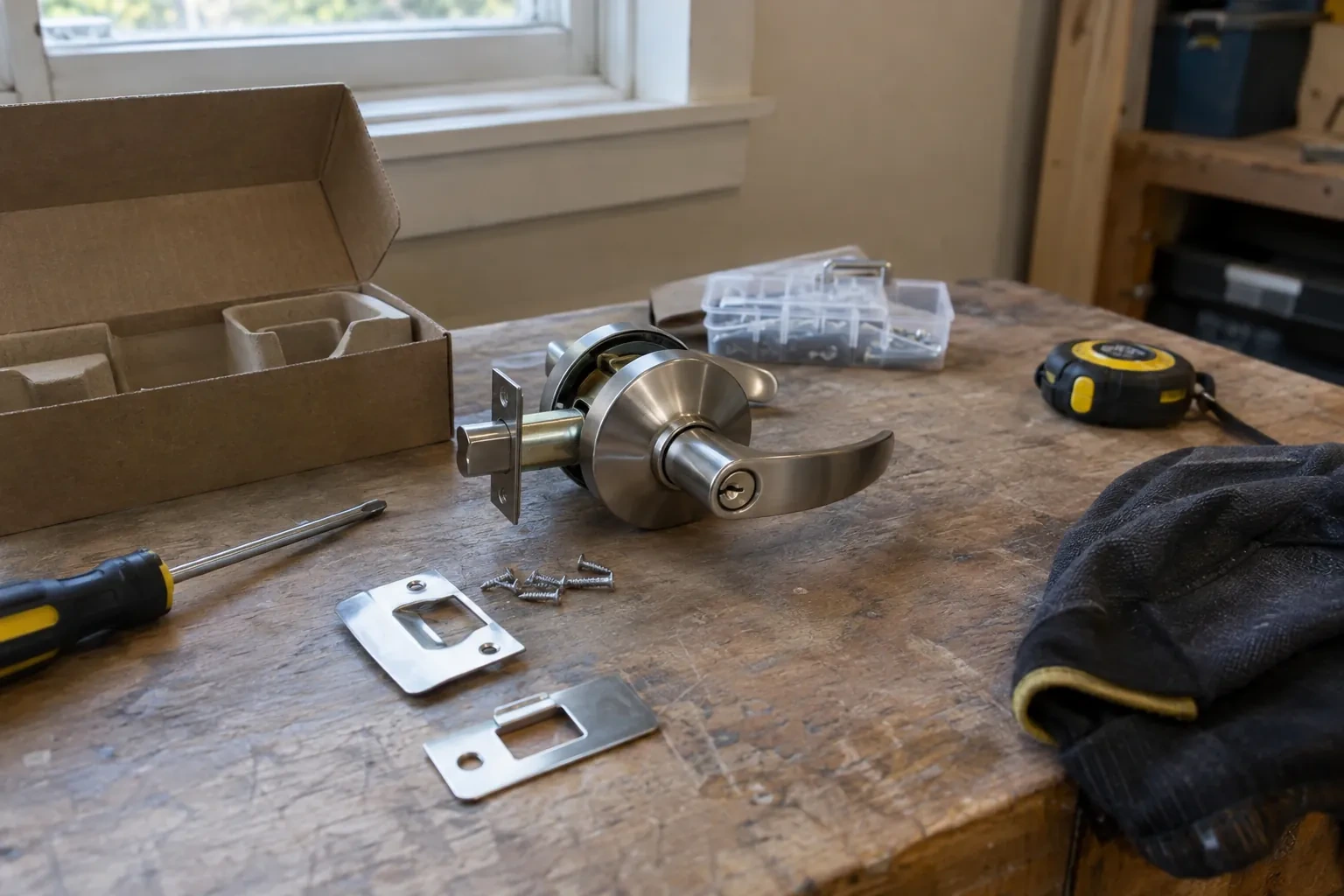
Before any product is chosen the door is measured. Backset first, the distance from the door edge to the centre of the bore, which on most doors here is 60 or 70 millimetres. Then the cross-bore diameter, the edge-bore size, the shape of the latch faceplate, the door thickness and the handing. The strike cut-out and any glass, trim or storm door that limits where hardware can sit are noted too. These few numbers decide which locks will drop straight into the door and which would need a filler plate, an extension kit or fresh drilling, so they are written down before the catalogue is opened.
Setting and reinforcing the strike
The strike side is where a replacement earns most of its value. With the door closed, the bolt is thrown and its mark checked against the pocket so the strike can be positioned to accept the full throw without rubbing. A shallow pocket is deepened until the bolt seats to its stop. Then a reinforced strike or a strike box is fitted using 75 millimetre screws that pass through the jamb and bite into the framing behind it, which is what stops a jamb splitting under a kick. Where an old forced entry has cracked the wood, it is glued and dowelled or a repair plate is fitted first.
Keys counted, named and planned
You receive the agreed number of keys, cut from the new pinning and tried in every door they should open, plus any code cards for a restricted system, which are what future copies are cut from. It is worth deciding on the spot who gets one and where the spare lives, ideally with a trusted neighbour or in a lockbox rather than in a drawer inside. If the house is now on a single key, retire every old key so none can be confused with the new one. A written list of which key does what goes in the home file.
Lock Replacement & Upgrade
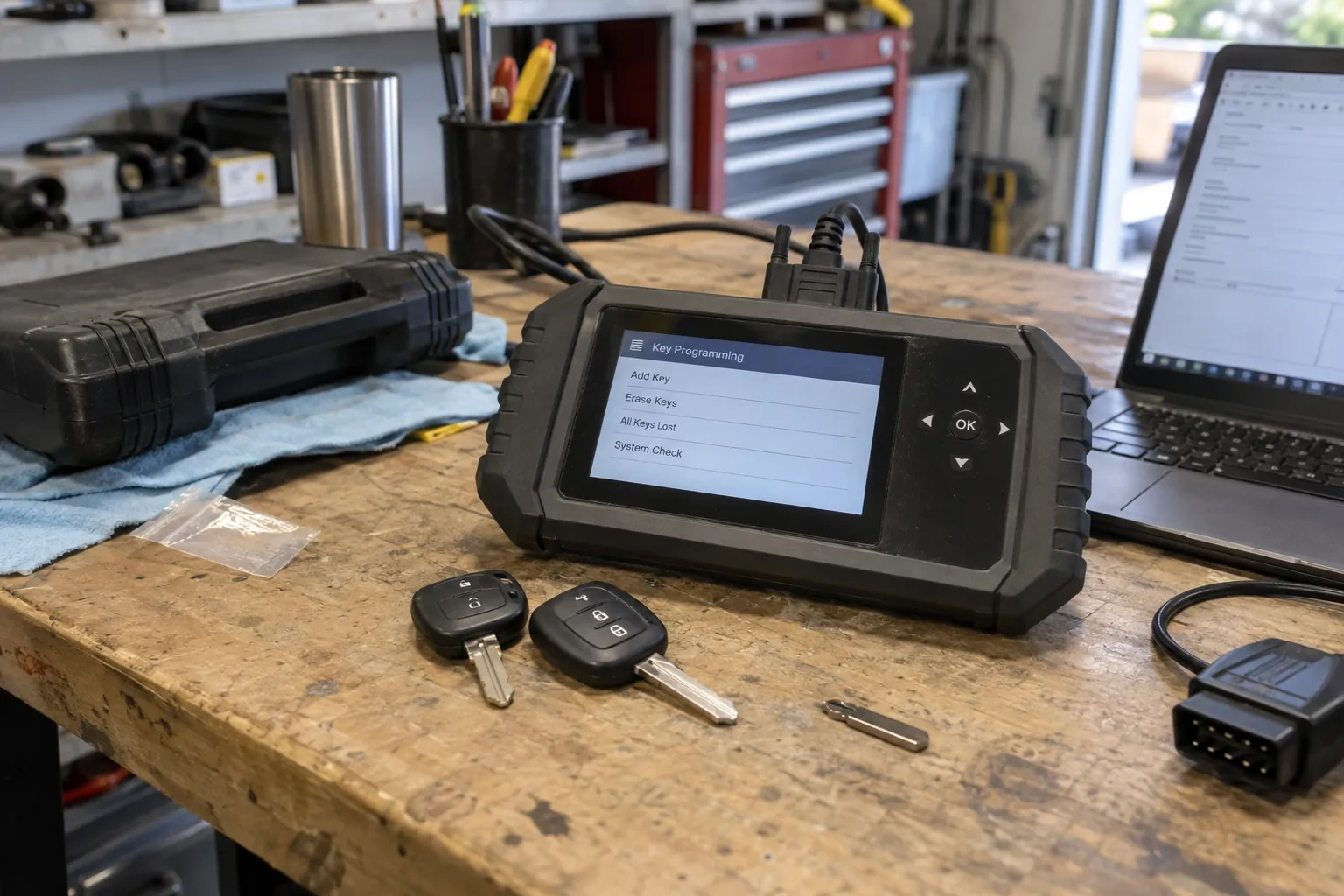
In the van
Manufacturer-approved cylinder lubricant
Filler plates and thick-door extension kits
Cylinders, plug follower and pinning kit
Key blanks and key cutter
75 millimetre strike and hinge screws
Lock Replacement & Upgrade
What affects the quote
Type of lock
A knob set, a lever, a deadbolt, a full handleset with deadbolt above, a patio door lock and a keypad or smart deadbolt each carry a different hardware cost and take different time to fit.
Condition of the old hardware
Hardware that comes off cleanly is one thing; painted-over trim, seized or stripped screws and a cylinder that has to be drilled out add time before the new lock can go on.
Older and mortise hardware
Servicing an original mortise case, sourcing a compatible cylinder or fitting a conversion plate on a century door involves more assessment and fitting time than a standard cylindrical replacement.
What to have ready
- Do you want every exterior door to open with one key?
- Do you own the home, or rent it with the landlord's agreement to change locks?
- Is the problem wear, damage, looks, a change of function or too many keys?
Lock Replacement & Upgrade: questions
QuestionsMy deadbolt only locks if I push the door. Will a new lock cure that?
The push is a sign the bolt and the strike pocket are out of line, which is a door and frame matter more than a lock fault. A new deadbolt is welcome if the old one is worn, but the visit also adjusts the strike, deepens the pocket or tightens hinges so the bolt throws freely with the door simply closed. Done together, the door locks with a fingertip and the new hardware works as designed.
What happens to the old lock?
It is yours. Some people keep a sound old cylinder as a spare or move a decent deadbolt to a shed or garage door, and the locksmith can rekey it to the house key for that purpose. Worn or damaged hardware is taken away for recycling if you prefer. Either way, the old keys should be gathered up and discarded so nobody confuses them with the new set.
Can you replace the lock on a sliding patio door or French doors?
Yes. Sliding doors take a replacement mortise hook lock sized to the rail, often with a keyed exterior, and benefit from a secondary foot bolt or a pin through the frames. French doors are secured by treating the inactive leaf properly with flush bolts into the head and sill, then fitting a deadbolt to the active leaf with a strike into that reinforced edge. Both are routine parts of a residential upgrade.
Related services
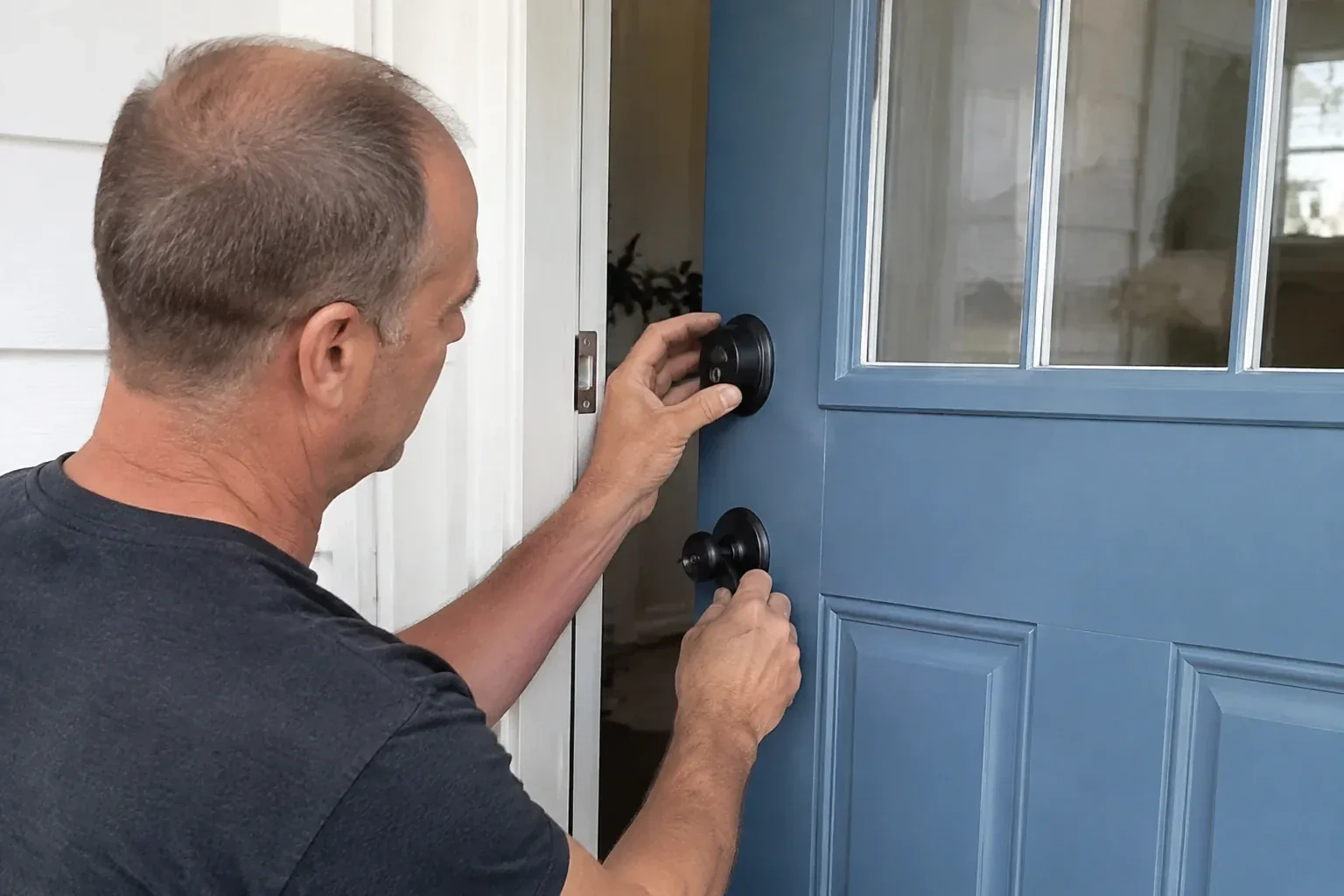
- Deadbolt InstallationThe bolt on the front door is keyed on both sides.
- Vintage Mortise Lock ServiceThe knob flops loose on its spindle and never springs back to level.
- Smart Lock InstallationYou have just taken possession of the house and the previous owners handed over a keypad deadbolt with a code nobody wrote down and an app account you cannot get into.