Change or rekey · Whitchurch-Stouffville
Gate & Building Entry Locks
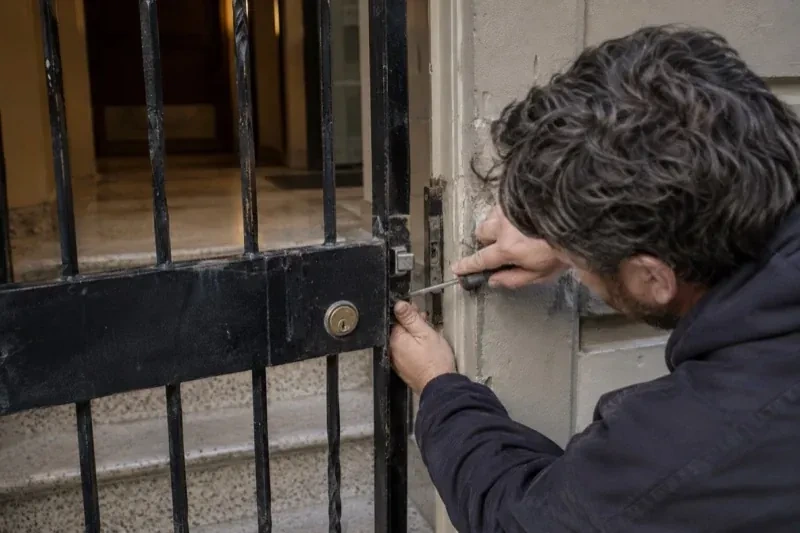
A visitor buzzes from the panel downstairs, someone presses the button by the door, and nothing happens.
In plain words
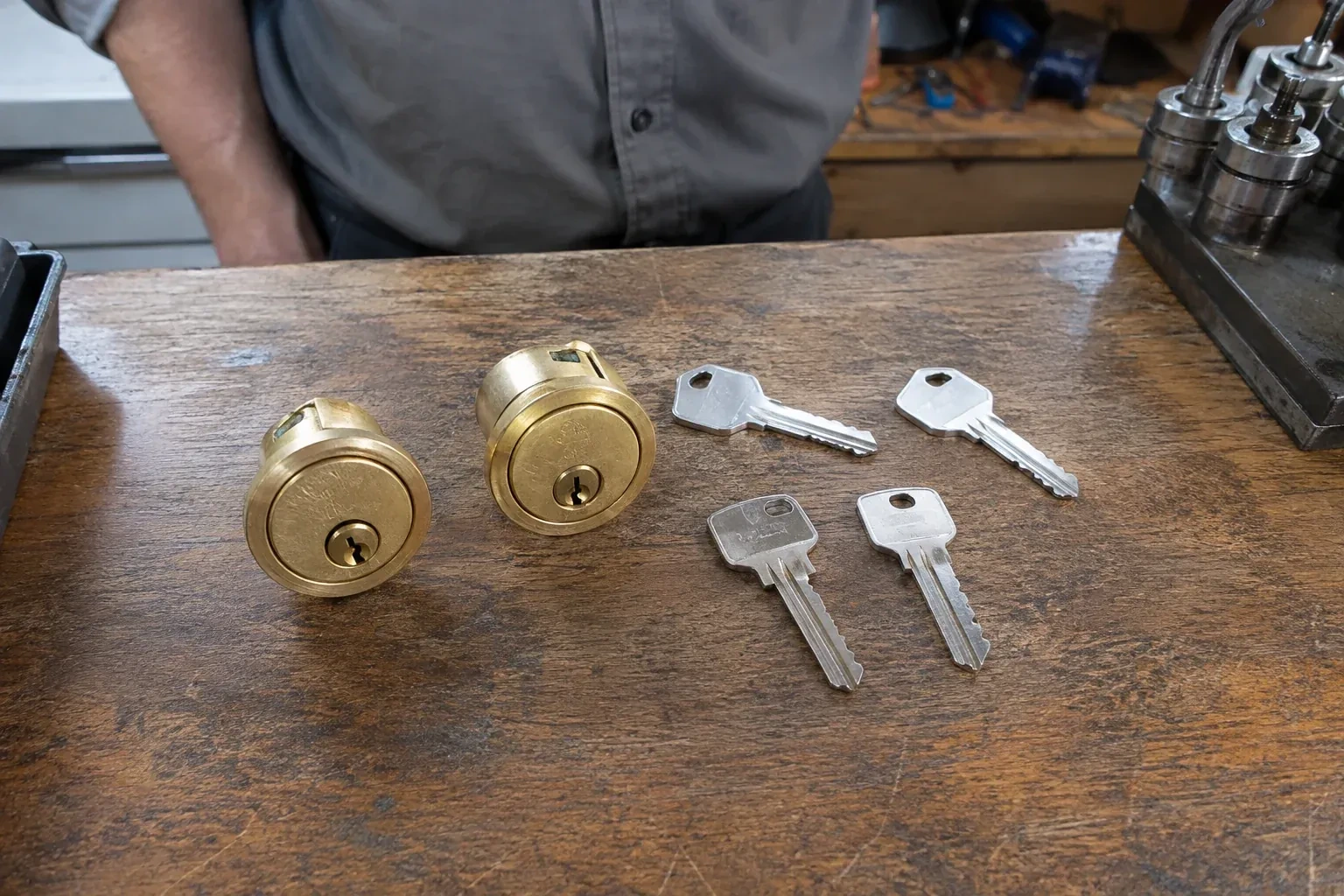
A property that grew its gates one at a time, a shed lock here, a side gate there, tends to end up with a drawer full of keys that only sort of match. This service takes stock of every gate and padlock on the property and works out which ones can reasonably be brought onto a single key, replacing or recombining cylinders as needed. The owner leaves with fewer keys, a clear note of what opens what, and a plan for adding any new gate onto the same system later.
How the visit goesThe padlock on the side gate has gone stiff every winter for three years running, and this year the key simply will not turn past the first few pins. Salt spray off the road and a season of meltwater have left the cylinder pitted and reluctant.
Gate & Building Entry Locks
How the visit goes
Taking stock of who holds a key
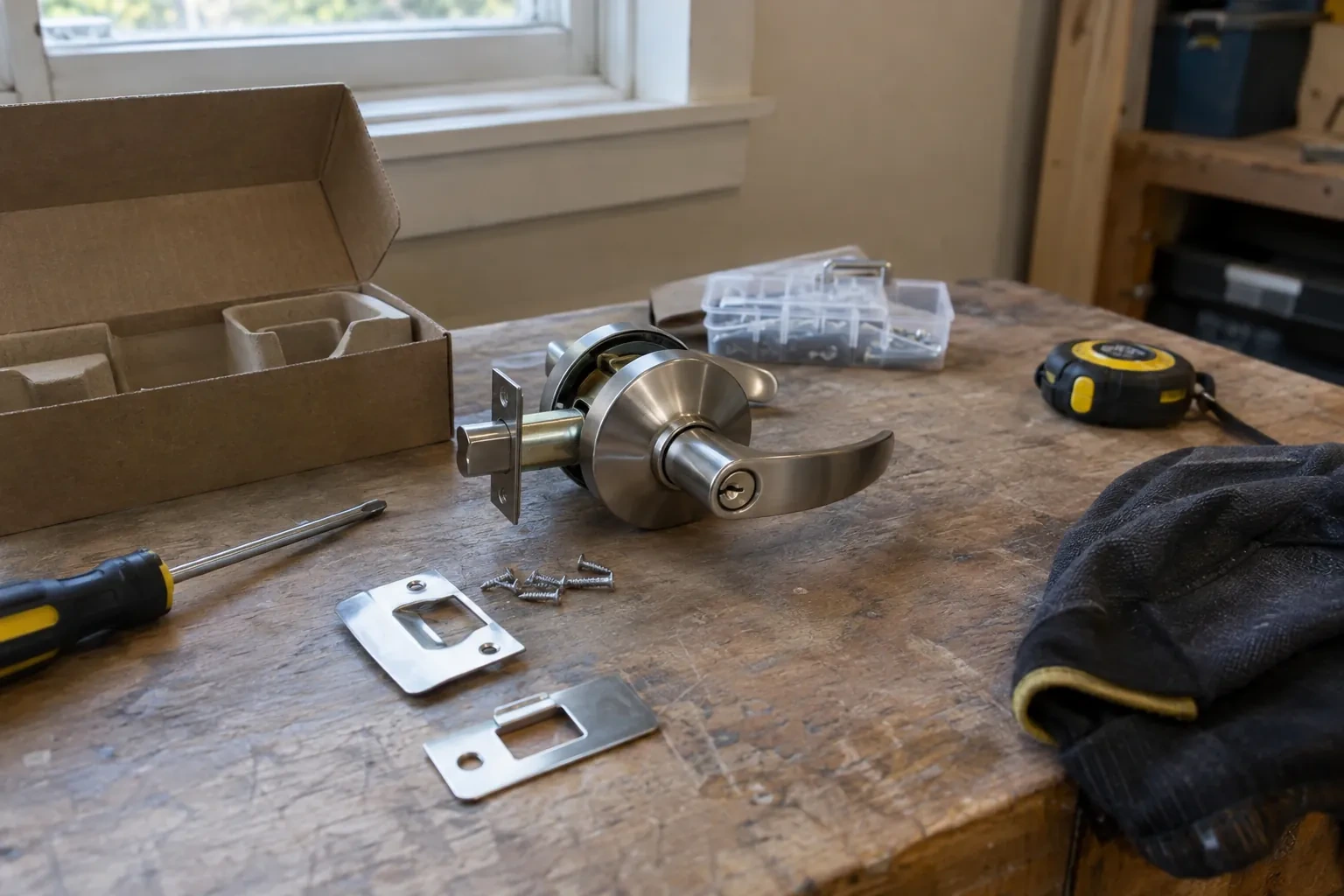
On a shared entry, the lock is only half the picture; the other half is who currently has a working key. The locksmith asks how many units or households rely on this door, whether anyone has moved out without returning a key, and whether other gates or entries on the property are meant to share the same one. That inventory decides whether a straightforward rekey covers everyone or whether some doors need to be brought onto a common key during the same visit, so nobody is left holding a key that no longer opens anything.
Bringing an electric strike or maglock back online
Where the entry includes a buzzer, keypad or electric release, the work follows the wiring back from the door: checking the transformer or power supply, the connections at the strike or maglock, and the intercom or keypad sending the release signal. A faulty component is repaired or replaced, and, where the specified lock includes a mechanical override cylinder, that cylinder is tested independently so the door can still be opened by key if the electronics ever fail again. The system is then tested as a whole, buzzing the door open and confirming any mechanical key still works, before the visit ends.
Everyone currently there has a matching key
If the visit involved a rekey, every current resident, tenant or key holder leaves with a key cut to the new combination, and a short written note of who received one. Anyone who moved out before the change is now holding a key that no longer fits whichever gate or door was rekeyed, though it may still turn any other cylinder on the property that kept its old combination. Where several gates or doors were brought onto the same key, each one is tested in your hand before the locksmith leaves, so you are not left guessing which key opens which gate the next time you need one after dark.
Gate & Building Entry Locks
In the van
Keyed-alike cylinders
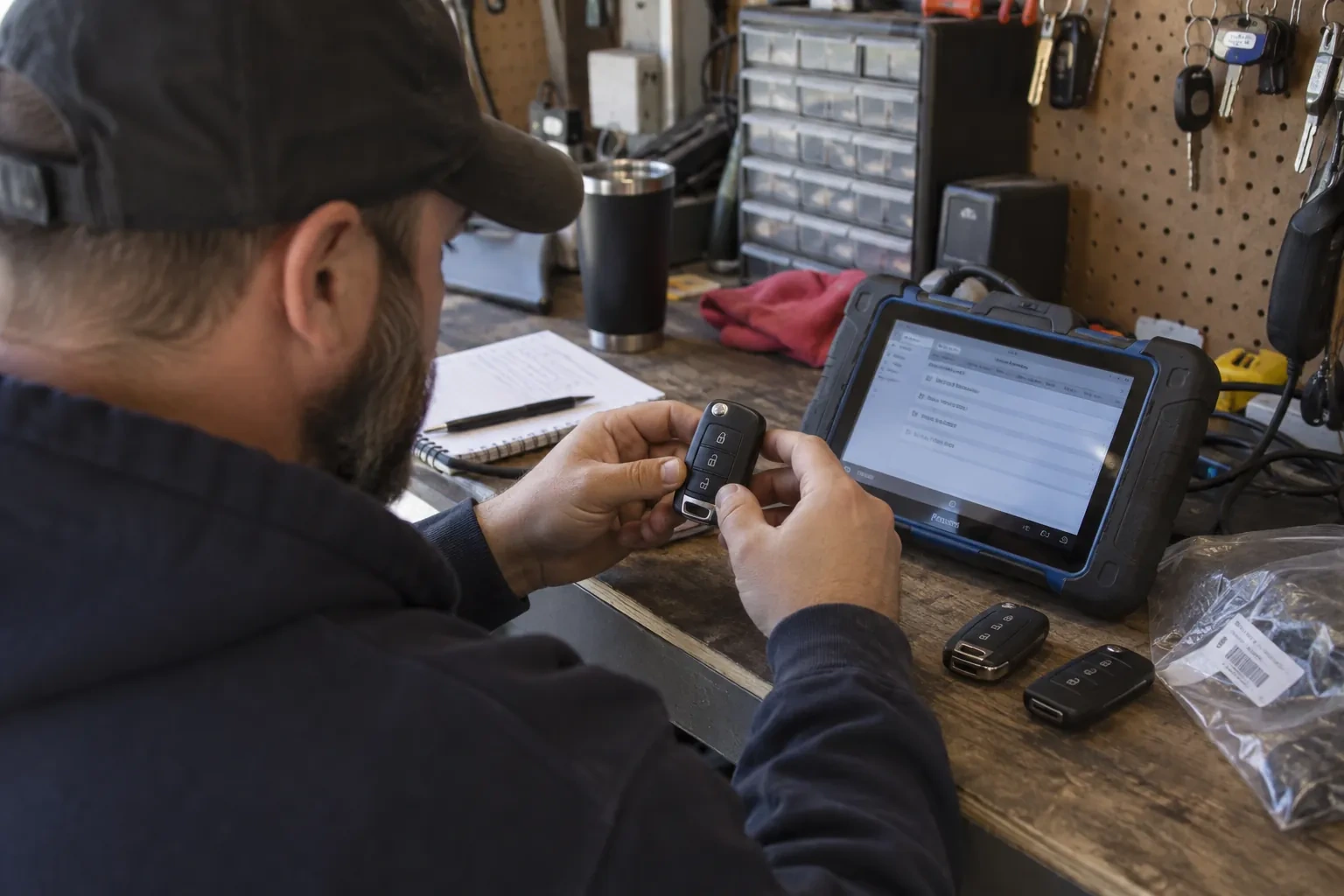
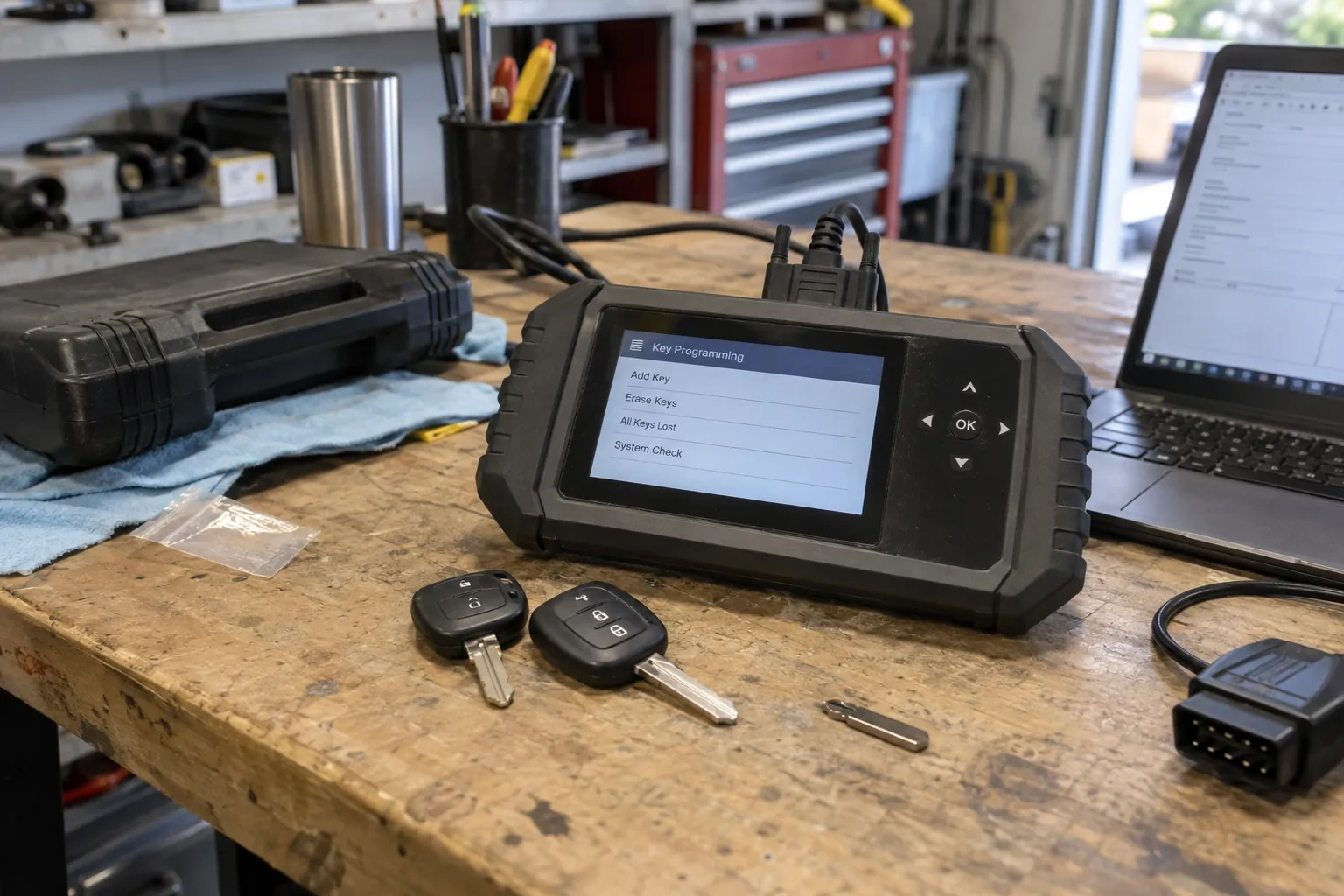
Key blanks and code cutter
Weather-rated cylinders
Corrosion-resistant fasteners
Cylinder decoder and pick set
Gate & Building Entry Locks
What affects the quote
Time of year and weather on the day
A cylinder frozen solid or a closer stiffened by cold takes patient work before adjustment or replacement can even begin, so a call made during a cold snap is quoted with that extra time in mind.
Electronic components on the entry
A buzzer, keypad, electric strike or maglock adds its own diagnostic and testing time beyond the mechanical lock itself, and any electronic part that needs repair or replacement is priced as its own line.
Whether the property manager or a board is involved
Work on a shared building entry sometimes needs sign-off from a property manager or condo board before proceeding, and coordinating that approval, along with providing a record of the work for their files, is part of the visit.
What to have ready
- Do you manage this property, or should someone else be involved in the decision?
- Is the gate wood, metal, aluminum or vinyl?
- Is there any sign the gate or lock was recently forced?
Gate & Building Entry Locks: questions
QuestionsHow should I look after a gate lock so it keeps working?
Twice a year, work the lubricant the cylinder maker specifies into the keyway and cycle the key a few times; the wrong product for that model can collect grit or gum up the mechanism instead of helping it. Check that the closer still settles the gate into the latch without slamming, and look at hinges or post hardware for movement, especially after a hard winter. A cylinder that starts needing a wiggle, or a gate that has begun to drag, is worth addressing while it is still a small adjustment.
Our property has a lot of separate gates. Is there a way to manage that with fewer keys?
Yes, a master key arrangement is a common answer: individual gates each keep their own key for day-to-day use, while one additional master key opens all of them for whoever manages the whole property, such as an owner or a maintenance contractor. Setting this up means recombining or replacing the cylinders involved so they share a compatible pinning structure, which is planned out before any single gate's lock is touched, so the system works as intended once finished.
Can several padlocks around a property be keyed alike?
Yes, provided the padlocks themselves are a type built to be rekeyed or matched, which is a feature of the specific model rather than something price or quality decides. The locksmith either rekeys the existing padlocks to a shared combination or replaces any that cannot be rekeyed with new ones cut to match. The result is one key working the front gate, the side gate and the shed, instead of a separate key for each, though a utility gate can be left on its own key.
Related services
- Deadbolt InstallationThe bolt on the front door is keyed on both sides.
- Lock Replacement & UpgradeThe century home's original mortise lock takes a key the size of a spoon, sticks in humid weather and has worn its strike to a groove.
- Vintage Mortise Lock ServiceThe knob flops loose on its spindle and never springs back to level.