Change or rekey · Ballantrae
Lock Rekeying in Ballantrae
Your roommate moved out last weekend.
In plain words
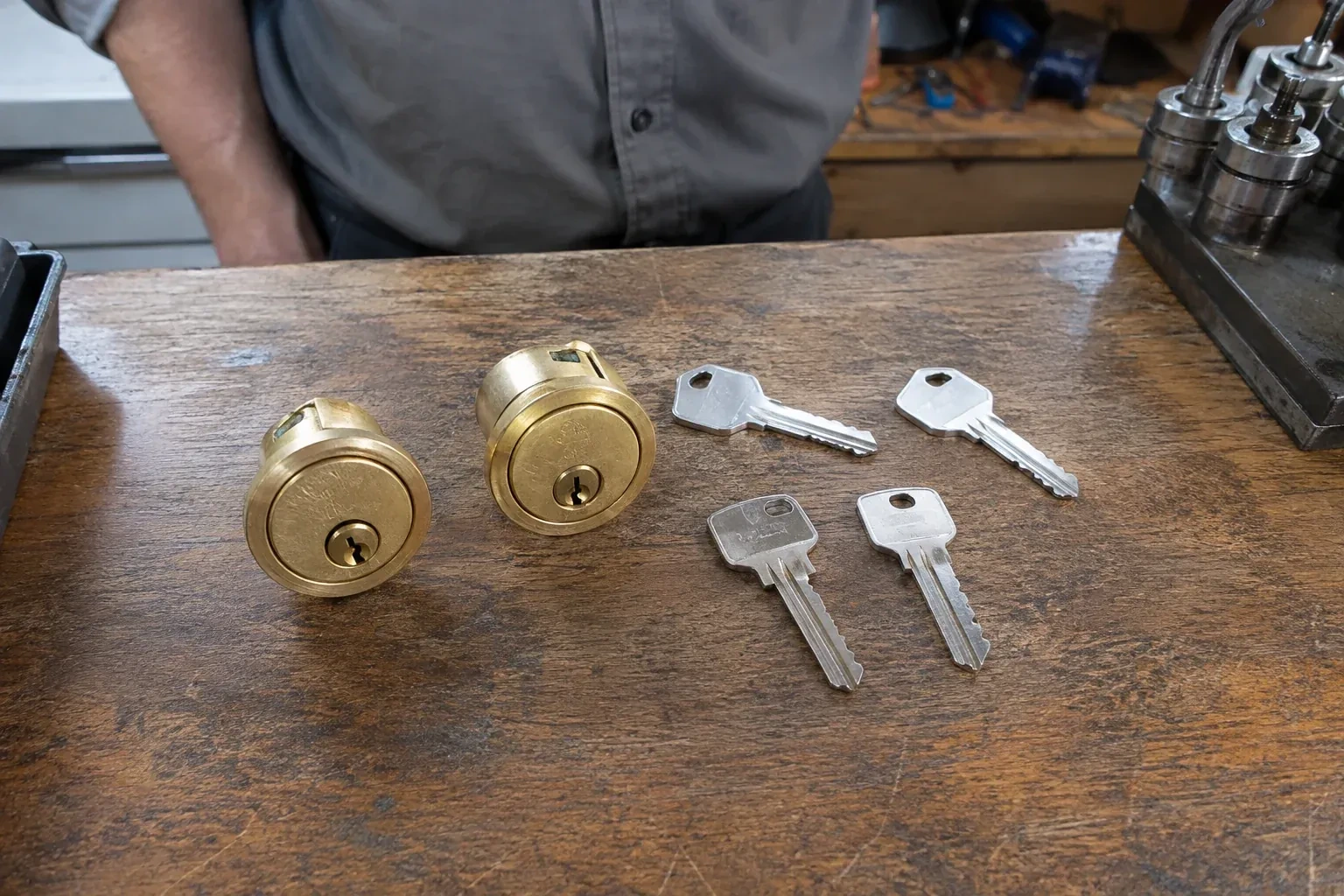
The choice between rekeying and replacing comes down to the condition of the lock and what you want from it. A cylinder that turns smoothly, sits firmly in a solid deadbolt and matches the look of the door is worth keeping, and rekeying gives it a new key for a fraction of the effort of replacement. Replacement earns its place when the hardware is worn, low grade, damaged, a mismatched keyway that cannot join the house key, or when you want a keypad or a heavier deadbolt anyway. A locksmith looks at each door and tells you which one applies.
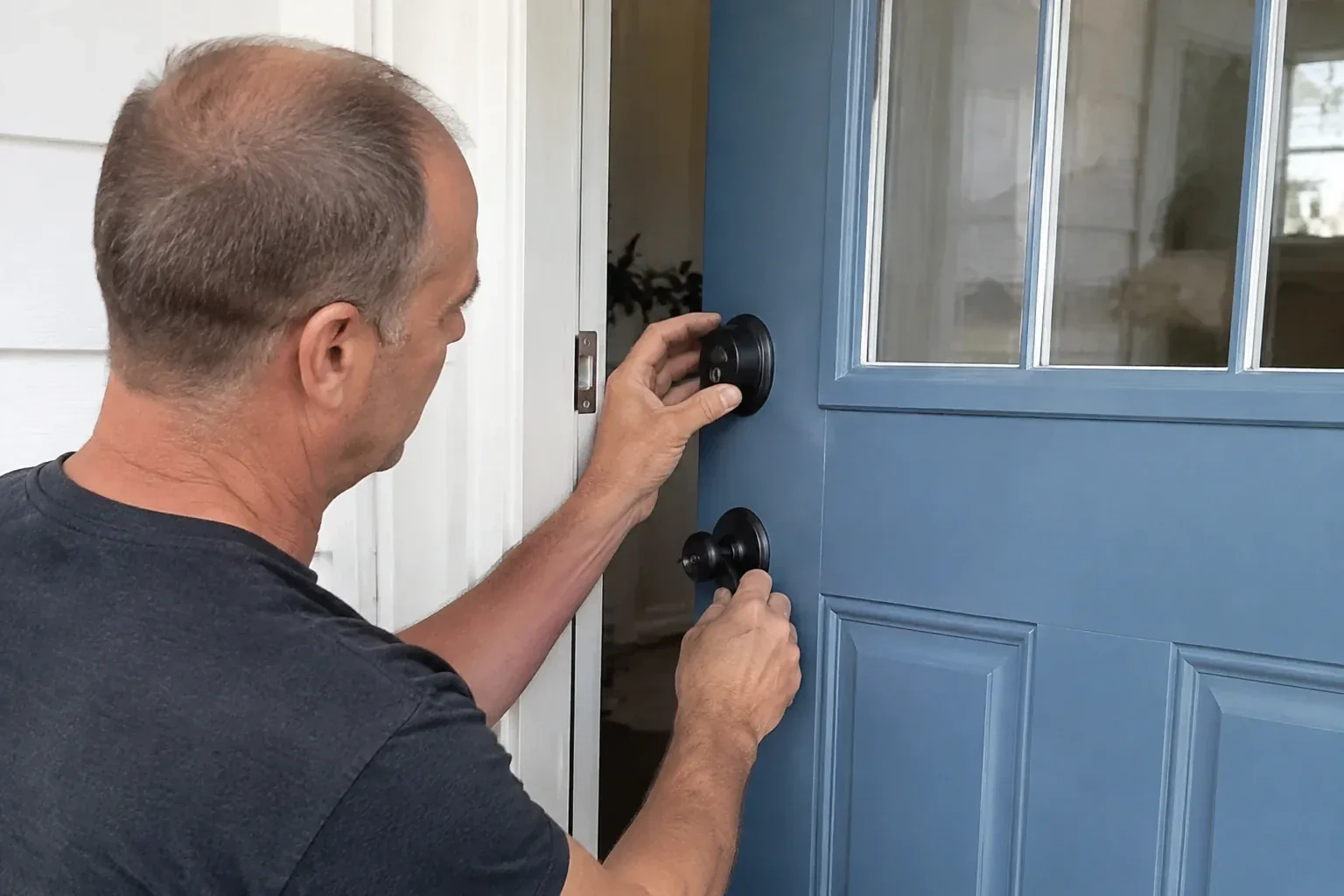
How the visit goesYour roommate moved out last weekend. Rent is settled, the room is empty, and the key is still on their ring. You trust them, but the lock on your front door should answer to the people who actually live here.
Inside the lock
What a rekey changes
01
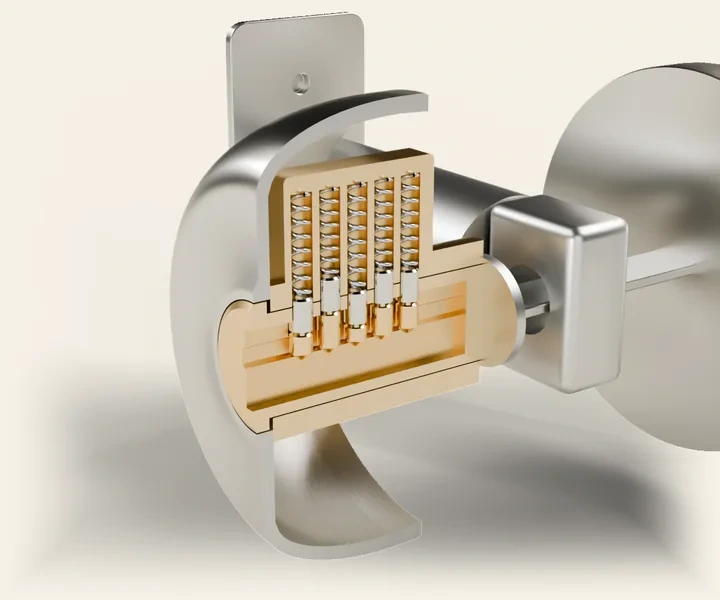
The lock you already have
02
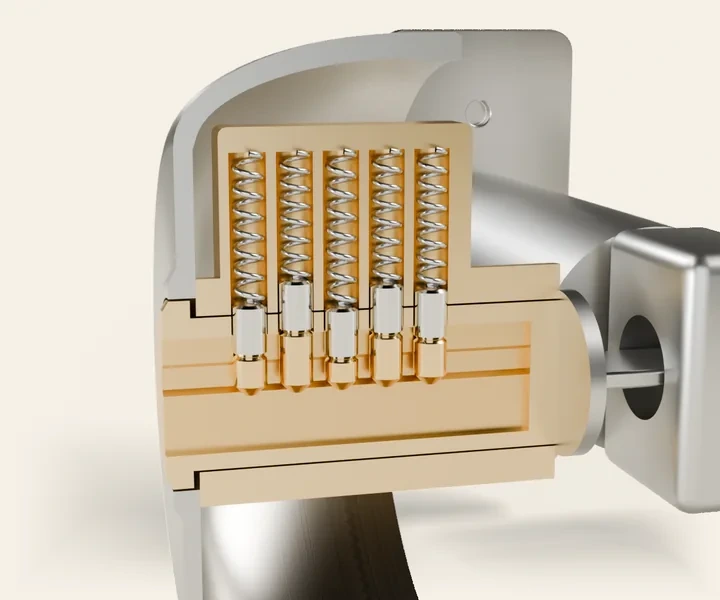
Inside the cylinder
03
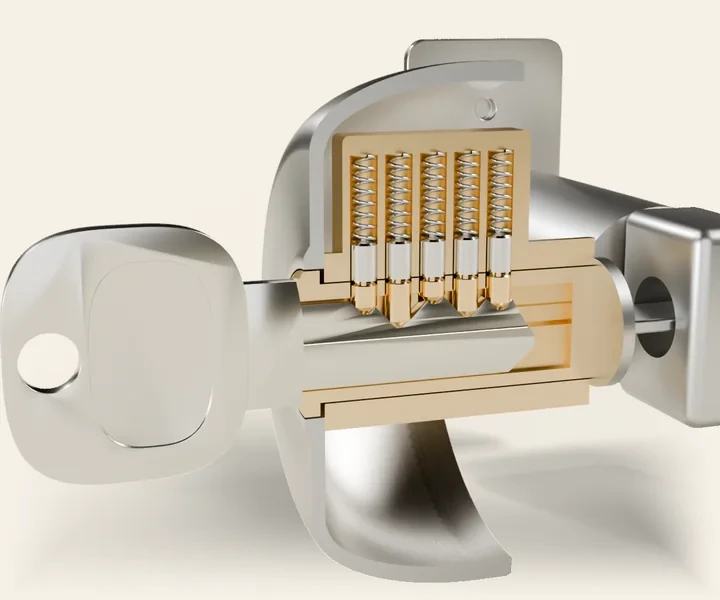
Pins, springs and the shear line
04
A new key, new pins
Lock Rekeying
How the visit goes
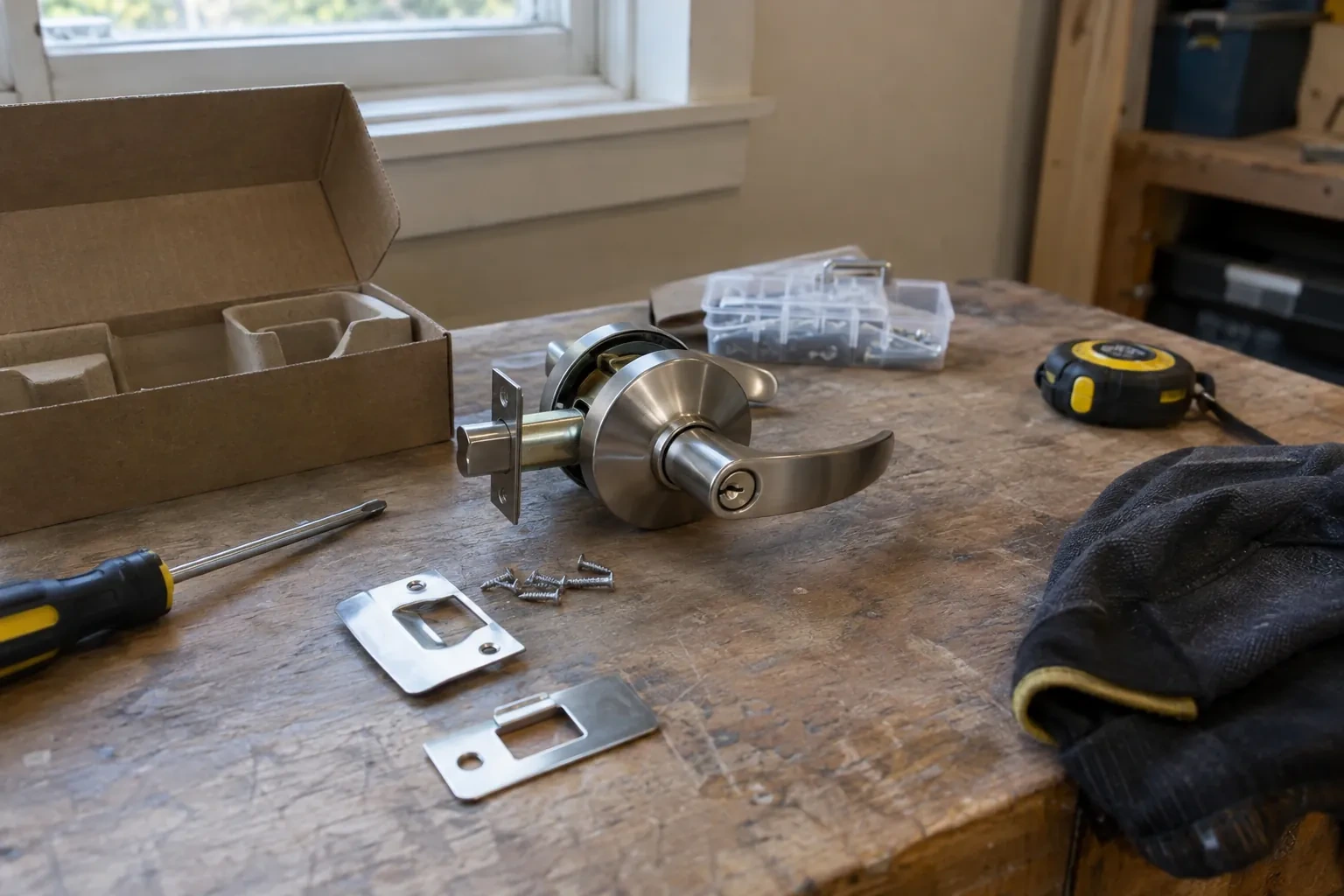
Counting the keys that are already out there
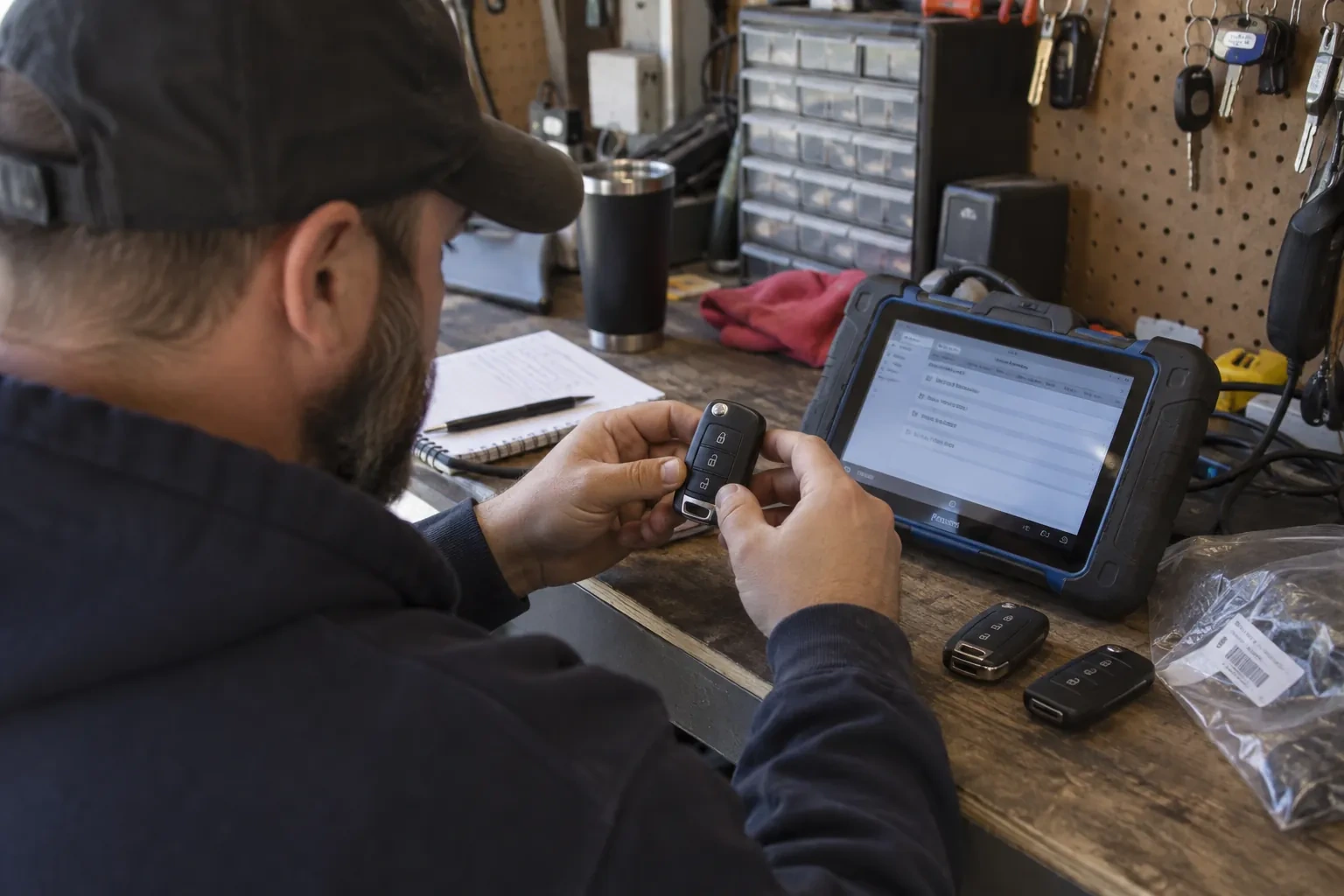
Part of planning a rekey is understanding why it is happening. The locksmith asks how many keys exist as far as you know, who has held one, and whether any went missing with something identifying the address. The answers do not change the pinning, but they shape the advice: whether a padlock or mailbox shares the same risk, whether a garage keypad code should change on the same visit, and how many new keys make sense to cut. It also helps to know whether any key is a restricted or patented type, since those are cut from a record rather than duplicated and may involve the original supplier.
Reassembly and the shear-line test
On a pin-tumbler cylinder, the plug goes back into the housing with the new key in it, pushing the follower out ahead of it, and the cam or tailpiece is refitted with its retainer. Before the cylinder goes anywhere near the door, the locksmith turns the new key and checks that the plug rotates freely with no catch, then removes the key and confirms the plug is locked solid. A pin a fraction too long or too short shows up here as a rough turn and is corrected on the bench. Only a cylinder that passes goes back into its lock, where it is tested again with the door open and then closed.
For landlords: the tenant's copies and the paperwork
After a rental unit is rekeyed, the incoming tenant receives their keys, the landlord keeps a copy as the tenancy rules expect, and the number issued is written on the move-in record so the count at move-out is easy to check. The former tenant's keys are retired. Where a building has several suites, the locksmith can keep each on its own key while the shared entry stays on a common one, and the note of which key belongs to which door becomes the start of a keying chart. That chart is what makes the next turnover a matter of one cylinder rather than a guessing game about who has what.
Lock Rekeying
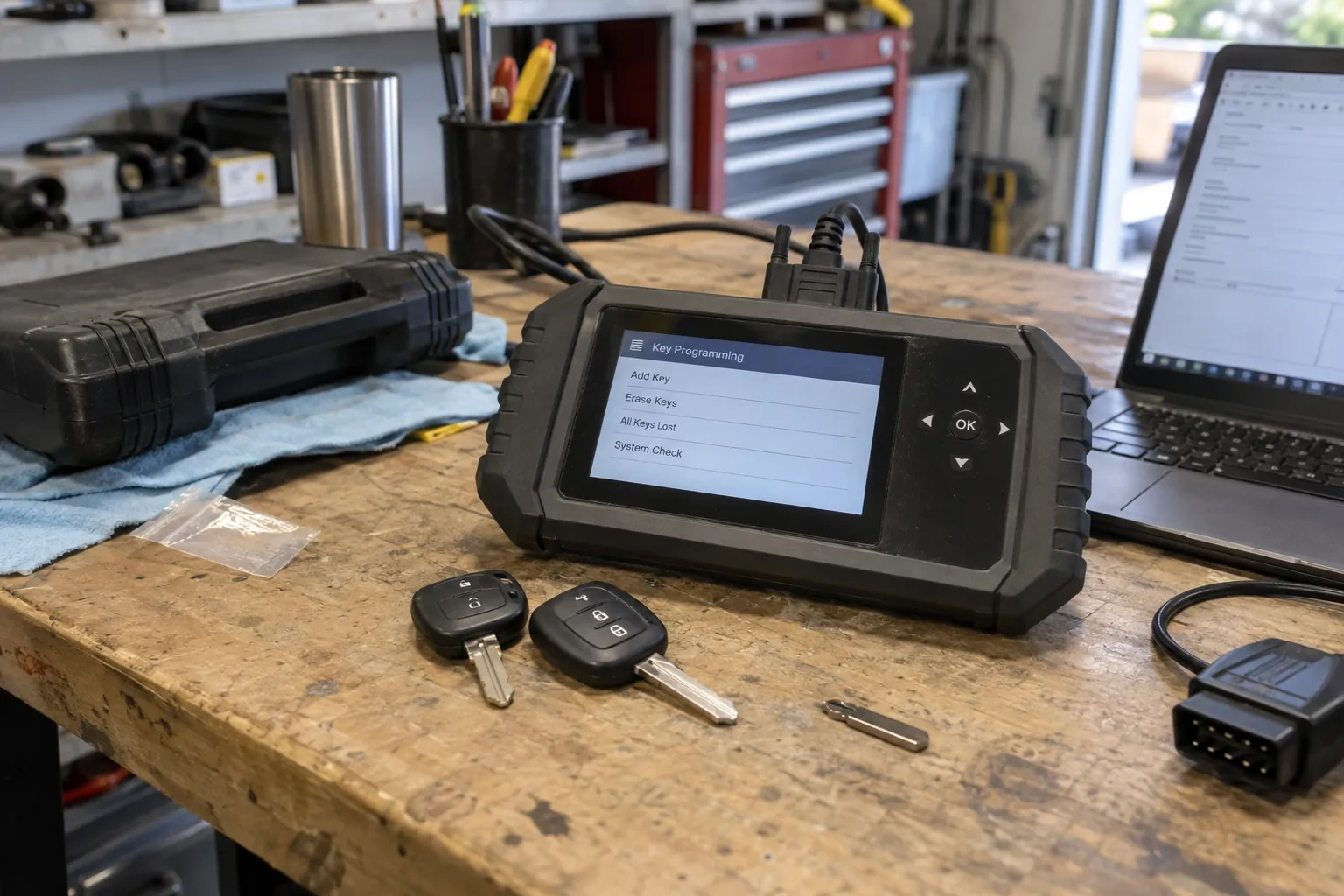
In the van
Retaining clip tool
Key tags and keying record
Key gauge
Replacement cylinder for odd keyways
Code cutter or key duplicator
Lock Rekeying
What affects the quote
No working key for a door
When a cylinder must be shimmed, decoded or picked open before it can be repinned because no key exists for it, that extra step is included in the quote for that door.
One key group or several
Keying every door alike is the simplest plan. Setting up separate keys for a basement suite, an office or a shed adds a group to pin and label, and the quote shows that as separate work.
Number of keys cut
Keys are cut and tested individually, so the total depends on how many the household or the tenants need. Say the number when you book and the quote reflects it from the start.
What to have ready
- Do you know the age of the locks or whether any is a restricted type?
- Is the home a condo or in a building with shared entrance doors?
- Do you have a working key for every lock, or is there a door with no key at all?
Lock Rekeying: questions
QuestionsWhat exactly does rekeying a lock change?
What changes depends on the cylinder. Many locks turn when a row of small bottom pins lines up at a precise level, set by the cuts on your key, and during a rekey the locksmith tips those pins out and loads a set that lines up with a different key, cut new for you; some residential cylinders instead reset a side-locking bar without removing any pins. From then on the new key operates the lock and older keys do not, and the hardware on the door stays as it was.
What should I have ready before the locksmith arrives?
A list of the doors you want included, a working key for each lock if you have one, and a clear idea of whether you want everything on one key or some doors kept separate. Have your identification and something tying you to the address handy. If you rent, have your landlord's agreement ready to mention. Knowing roughly how many new keys the household needs saves a second trip to cut more.
One of my locks is stiff and worn. Can it still be rekeyed?
Often the stiffness is grit, old oil and tired springs rather than real wear, and those are handled while the cylinder is on the bench: the plug is cleaned, new springs go in with the new pins, and a dry lubricant finishes it. If the plug has worn oval or the housing is damaged, the locksmith shows you and suggests a replacement cylinder pinned to the same key, rather than fresh pins in a lock that will keep dragging.
Related services
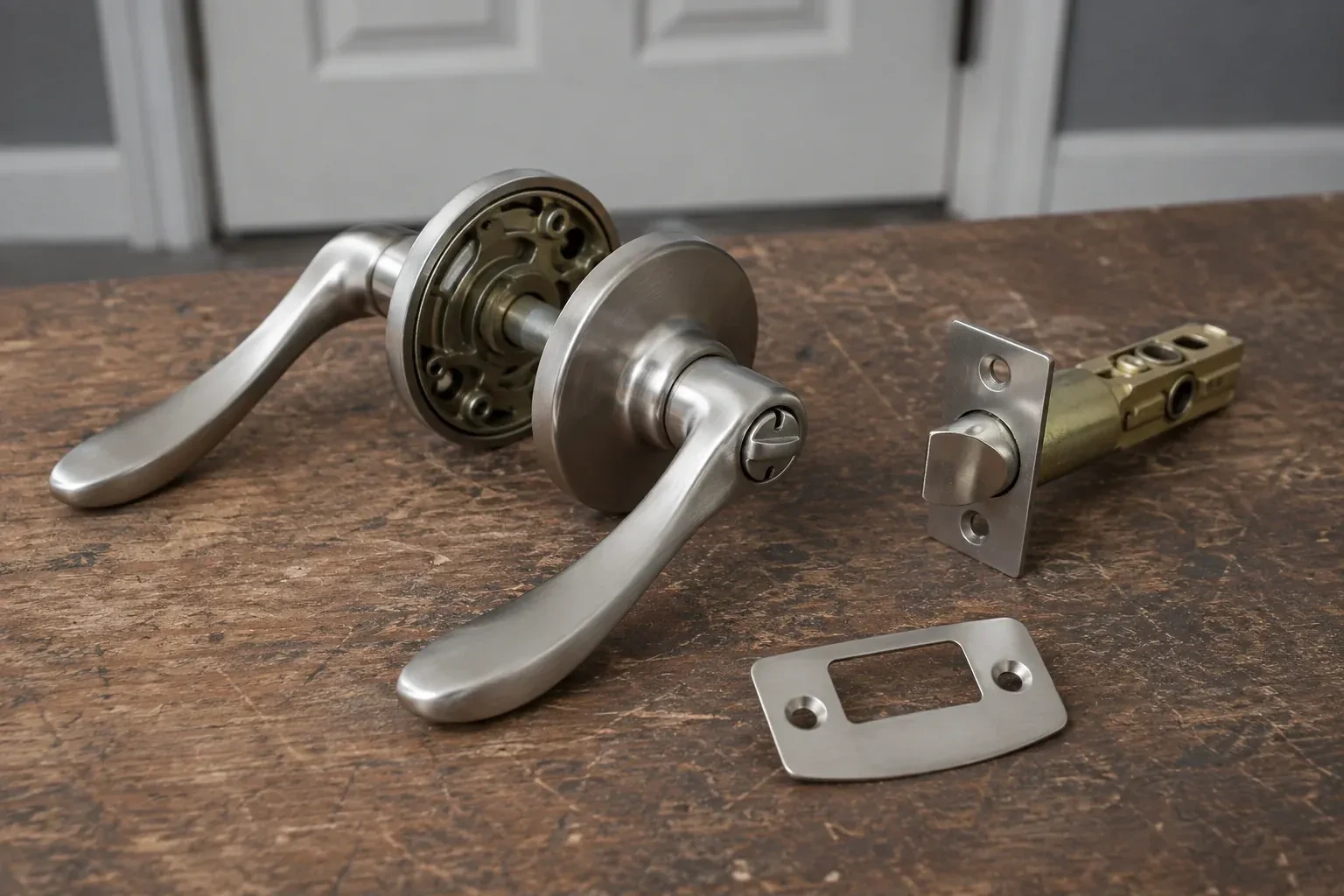
- Lock Replacement & UpgradeThe century home's original mortise lock takes a key the size of a spoon, sticks in humid weather and has worn its strike to a groove.
- Vintage Mortise Lock ServiceThe knob flops loose on its spindle and never springs back to level.
- Smart Lock InstallationYou have just taken possession of the house and the previous owners handed over a keypad deadbolt with a code nobody wrote down and an app account you cannot get into.