Car keys · Whitchurch-Stouffville
Motorcycle & Scooter Keys
You dig through every jacket pocket and the tank bag twice, but the ignition key that always sits on the same ring is nowhere to be found.
In plain words
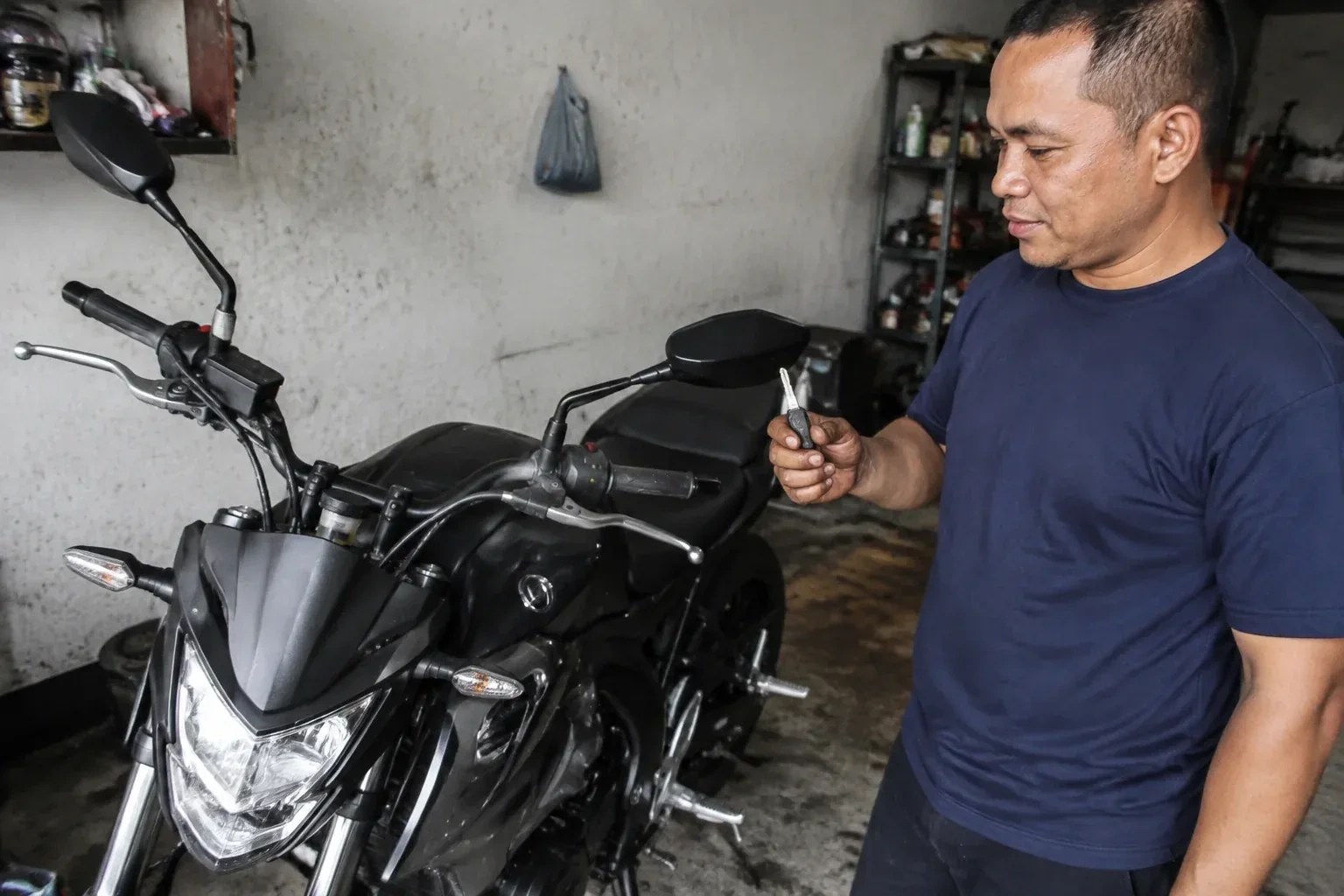
Sometimes the machine is not the problem; the key is. A blade that has worn thin, bent slightly, or been copied one generation too many stops lifting the wafers cleanly, which shows up as a key that needs a wiggle or a lift to turn. Rather than living with an unreliable copy, a fresh key cut directly from the lock's code or read from the original wafers restores a clean, consistent turn, and the worn key can be retired instead of carried as a backup that may not work when needed.
How the visit goesThe key turns half a rotation in the ignition, catches, then the blade lets go with a small snap. The bow is still in your hand; the rest of it is somewhere inside a lock that now has nothing to grip.
Motorcycle & Scooter Keys
How the visit goes
Reading the lock family
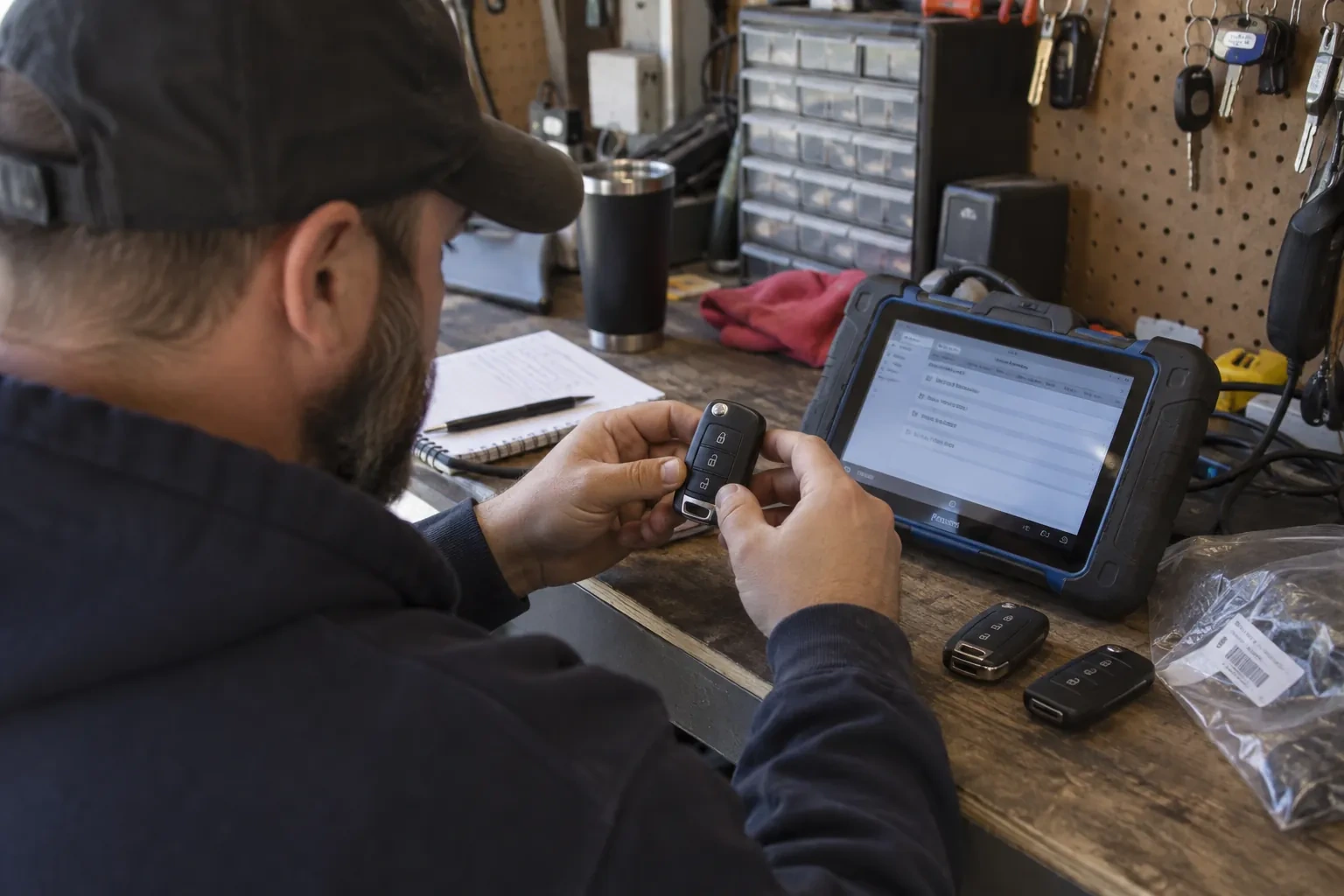
Every motorcycle lock has a shape and a history that tells the locksmith what they are working with. The keyway profile, the number of wafers, whether the plug is single- or double-sided, and any maker's mark on the lock face narrow down which key blank and which cutting code apply. Manufacturers reuse wafer counts across very different keyway profiles, so a lock that looks similar to another model can still refuse a blank cut for it. Identifying the lock correctly before cutting anything is what keeps the first key made for the machine the right one.
Bringing every lock onto one key
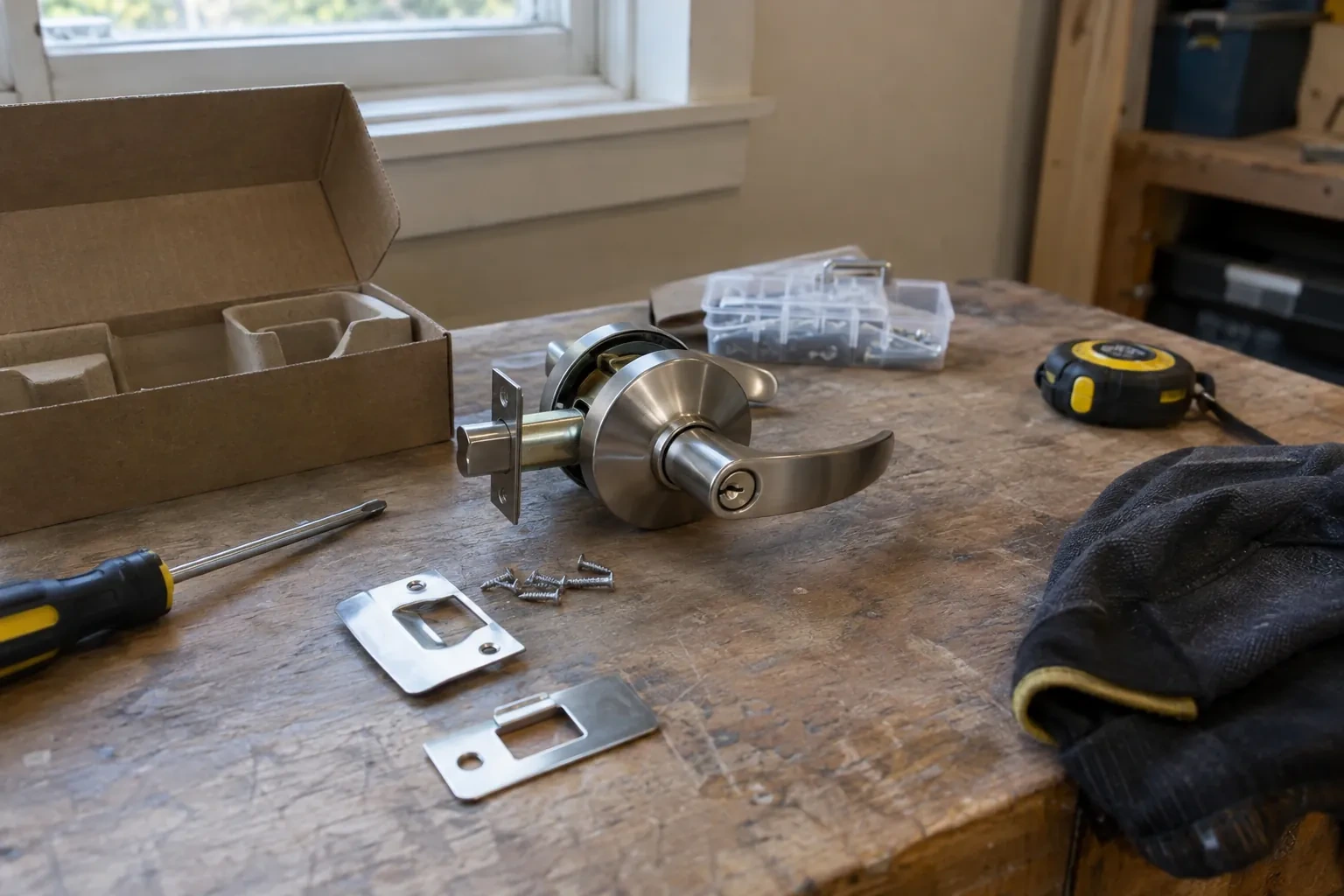
Where the cylinders are compatible and serviceable, bringing the seat, fuel cap and storage locks onto the ignition's key means opening each one in turn, removing its wafer pack, and fitting new wafers cut to the same combination as the freshly cut ignition key; some models instead need a matched replacement lock set. This is the same rekeying principle used on a house or car lock, applied to the smaller hardware found on a motorcycle. Each lock is tested with the new key on its own before the job is called finished, so the owner leaves with one key that genuinely operates every lock on the machine rather than one that has simply been told it should.
The old key is no longer a concern
Where locks were rekeyed rather than simply cut around, whoever holds an old key is left with a blade that fits the keyway but normally will not turn the plug once it is rekeyed. That is worth mentioning to anyone who previously had access to the machine, such as a former co-owner or a shop that kept a copy on file, since the new combination makes their old key no more useful than a spare piece of metal. Keeping the new keys distinct in a bag or on a labelled ring avoids mixing them up with anything cut before the visit.
Motorcycle & Scooter Keys
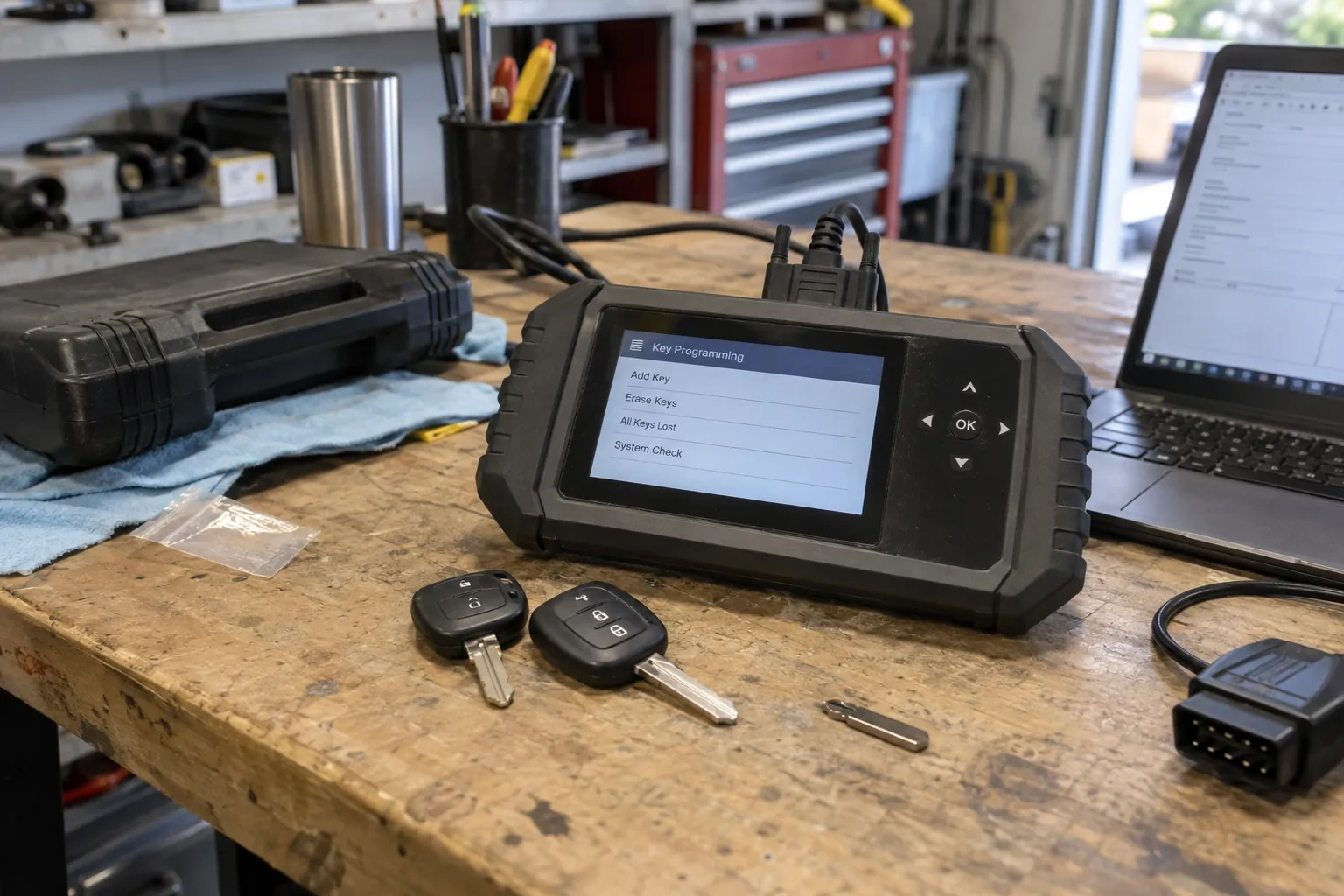
In the van
Torx and security bits
Wafer lock decoder
Penetrating fluid
Transponder programming unit
Contact cleaner
Motorcycle & Scooter Keys
What affects the quote
Any prior damage or attempts
Any prior attempt at the lock, a failed hardware-store copy or a scratched keyway, may need to be worked around or corrected before a new key can be properly tested, adding to the job.
Number of new keys cut
Keys cut on site are counted individually. Two for a rider and a partner, or several for a household that shares the machine, is reflected directly in the total.
Weather affecting a seized lock
A lock seized by cold, ice or dried-out grease from a season of storage takes patient thawing and working before a key can be tested against it, which a winter call reflects.
What to have ready
- Where is the machine currently kept?
- Is the machine's VIN accessible on the frame or paperwork?
- Was the machine bought used, and how many keys came with it?
Motorcycle & Scooter Keys: questions
QuestionsMy steering lock seized up over winter storage. Can that be fixed without a whole new lock?
Usually, yes. The cleaning method the lock's own maker directs, along with gentle, repeated working of the mechanism, frees many steering locks that have simply seized from disuse or corrosion, without needing to force the key or replace the lock. Only a lock that is cracked, badly rusted internally, or damaged by an earlier forced attempt tends to need full replacement rather than freeing and lubricating.
Can you cut a key for an older or vintage motorcycle?
Yes, provided the lock or an existing key survives to read from. Older mechanical locks are generally simpler than current wafer or transponder systems, and a locksmith familiar with vintage keyways can often decode or duplicate them the same way as a newer lock. Where a replacement lock is genuinely needed rather than a key, sourcing period-correct hardware can take longer than the key work itself.
What is the difference between decoding a lock and picking it?
Picking manipulates the wafers to open the lock without necessarily learning their depths, useful when the goal is just to turn the lock once. Decoding reads each wafer's actual depth, usually with a scope or a feeler-style tool, so that information can be turned into a cut key. For key service the lock is generally decoded rather than only picked, since the point is producing a working key, not just a single turn.
Related services
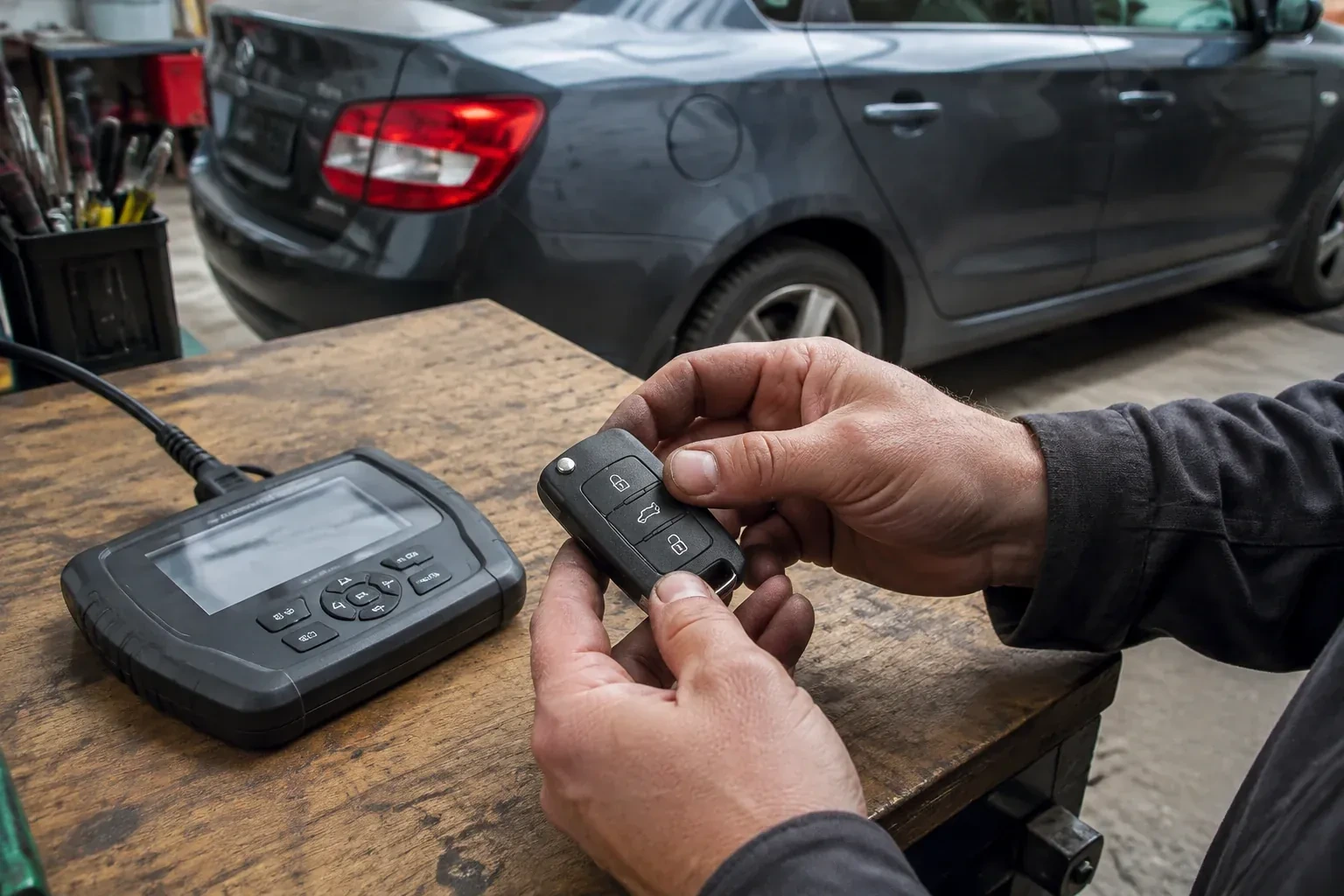
- Car Key ReplacementThe only key to the car went into the lake with the kayak.
- Spare Car Key DuplicationOne key opens the car, starts the car, and rides in one pocket every day.
- Key Fob ProgrammingThe remote clicks the way it always has, but the vehicle no longer locks, unlocks or answers with its usual chirp.