High security · Whitchurch-Stouffville
High Security Locks
You run a home office with client files and equipment, and your insurer has asked what kind of lock is on the door.
In plain words
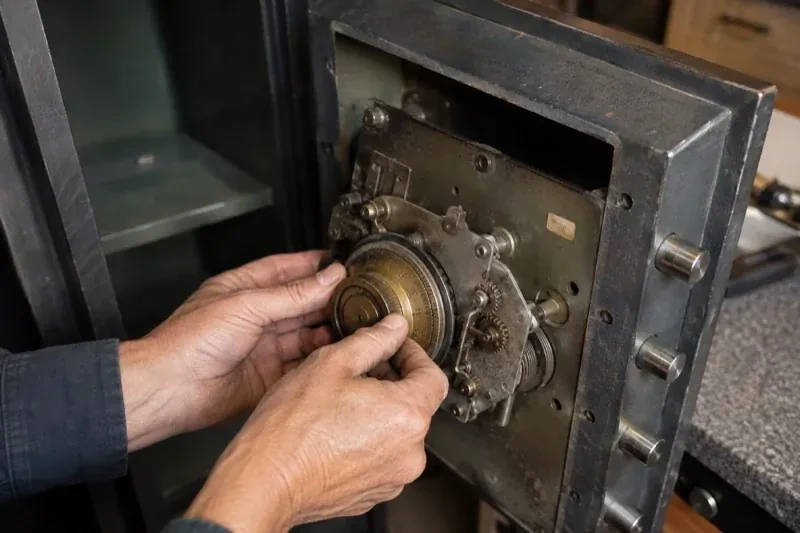
High security locks are cylinders and deadbolts designed to defeat the methods used against ordinary doors. Inside the cylinder a second locking mechanism, usually a sidebar released by finger pins or rotating pins, has to be satisfied at the same time as the normal pin stack, which is what stops picking and bumping. Hardened steel inserts stop drill bits. The bolt is thicker and carries a hardened pin against sawing, and a reinforced strike ties the lock into the wall framing. Just as important, the key is cut on a patented blank that only an authorised person can have copied, so your key count stays known.
How the visit goesYou have lost count of how many people have had a key to your house over the years: cleaners, a contractor, a former partner, the previous owner's family. The lock still works, but you no longer know who else it works for.
High Security Locks
How the visit goes
Matching the rating to the risk
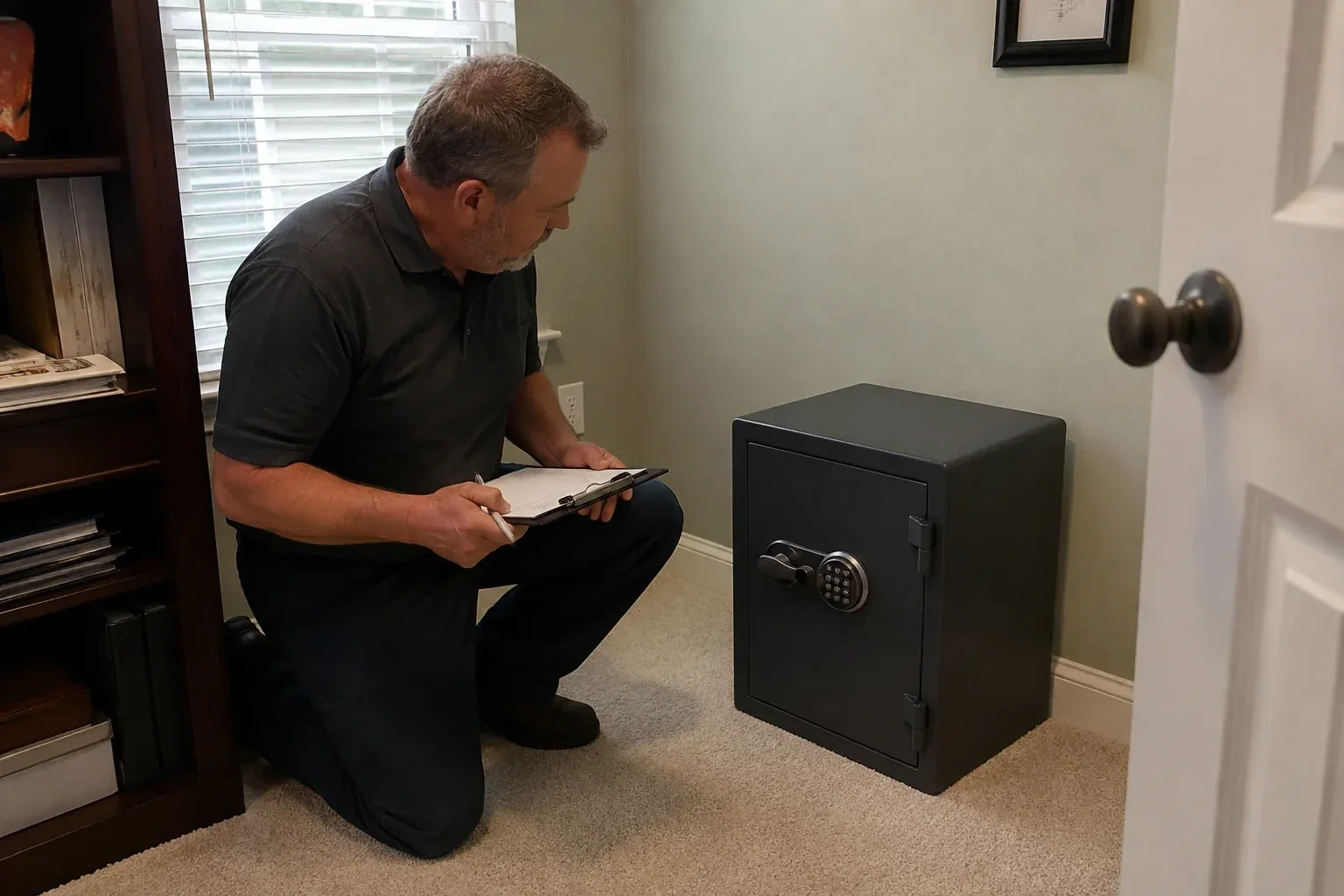
Ratings are only useful if someone explains them. A residential deadbolt carries a hardware grade for security, durability and finish based on hammer blows, pulling force and cycle testing. A high-security cylinder carries a separate laboratory listing based on how many minutes it resists picking, drilling and forcing. The locksmith explains what each figure means in practice for your door and points out the rule that matters most: the whole assembly takes the grade of its weakest part. That conversation ends with a recommendation you understand rather than a part number you have to trust.
Reinforcing the strike and frame
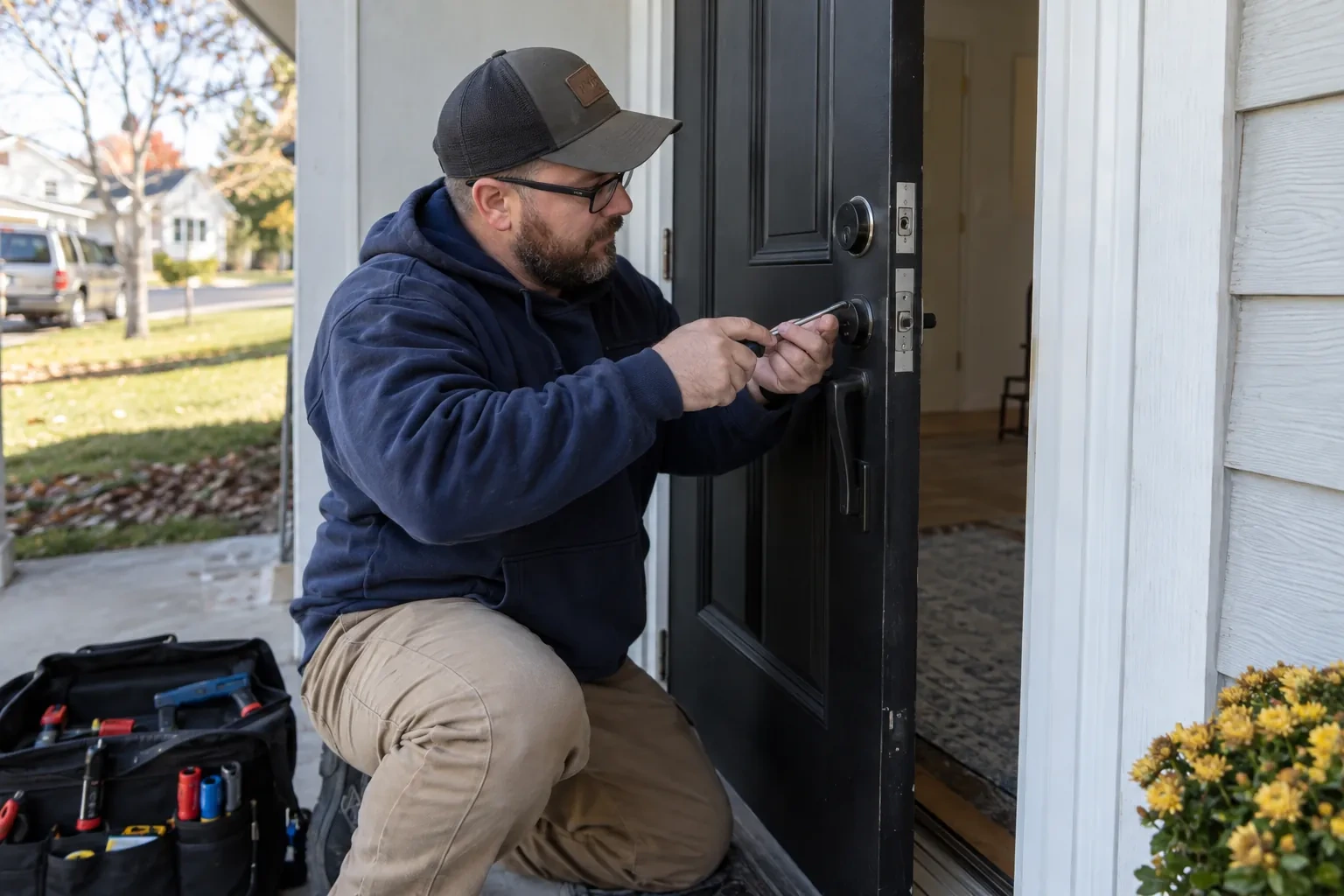
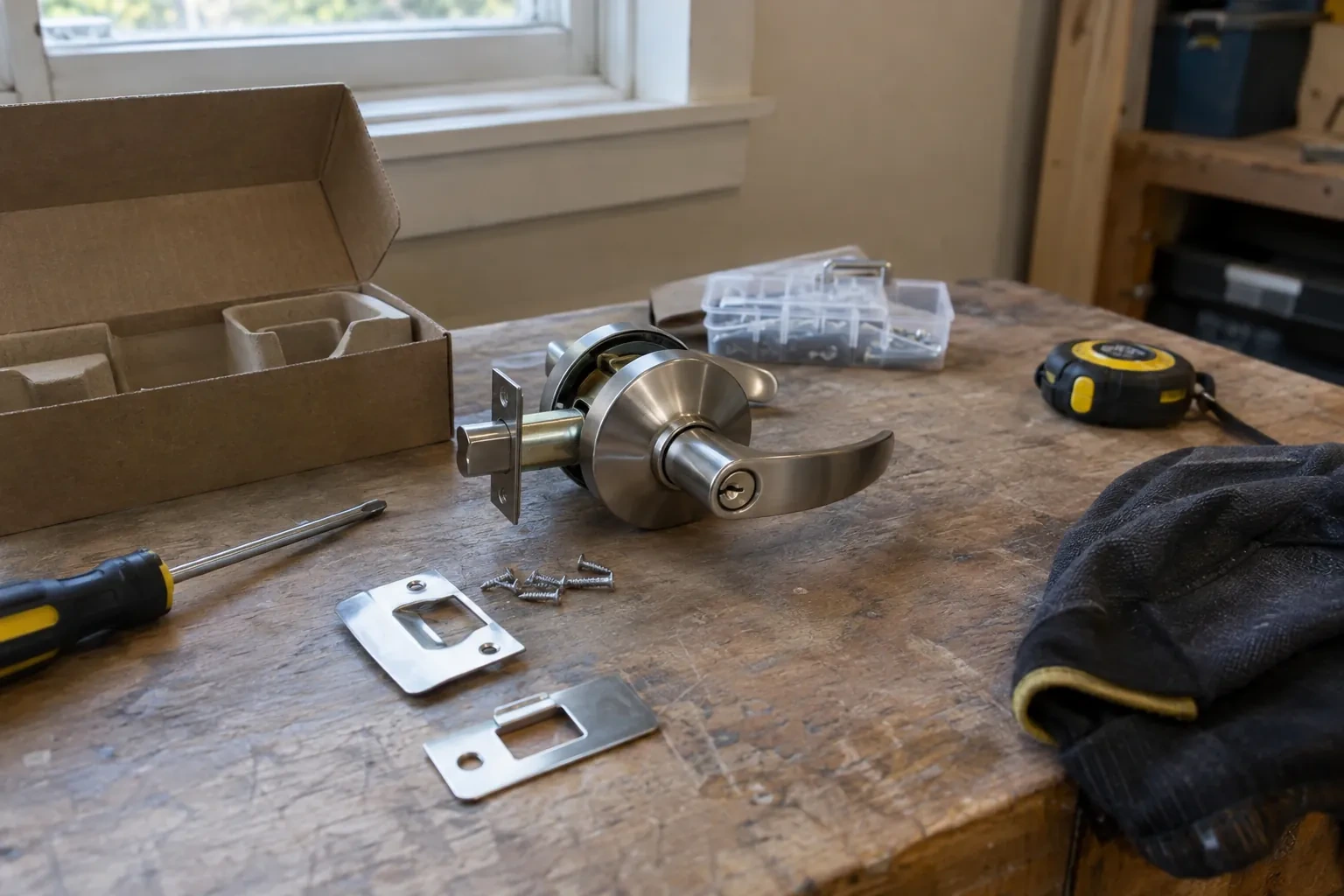
The strike is where a forced door actually fails, so it gets serious attention. The stamped plate comes off and the pocket is deepened to accept a box strike or a long reinforced strike, fastened with three-inch screws that pass through the jamb into the wall framing. Stripped or split wood is filled and doweled first so the screws have something to hold. Where the frame is thin, a wrap-around reinforcer around the door edge and a full-length jamb plate are options. The result is a bolt that ties the door into the house rather than into a strip of trim.
Proof for insurers, landlords and tenants
You leave with a written record of what was fitted: the cylinder type and its rating, the deadbolt grade, the strike and screws installed, and the key system registration. Insurers sometimes ask for this when a policy specifies stronger hardware, landlords keep it in the property file, and tenants have something to hand back at move-out. It also helps the next locksmith, who can see at a glance what keyway and format the doors carry. Keep the invoice and the key control documents together; they are the paperwork side of a physical upgrade.
High Security Locks
In the van
Code key cutting machine
Graded deadbolt with hardened bolt
Reinforced strike plate
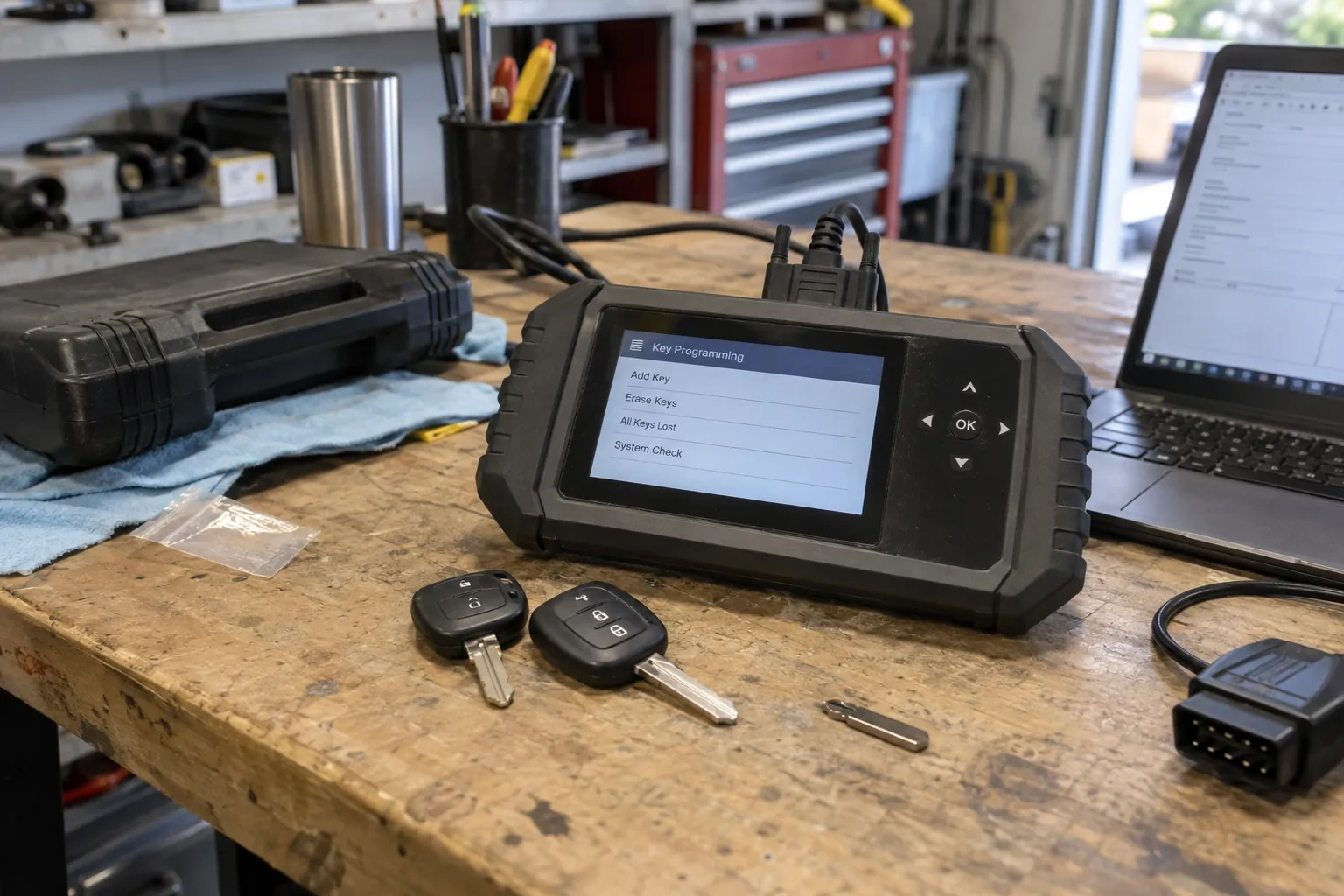
Patented key blanks
Three-inch strike and hinge screws
High Security Locks
What affects the quote
Condition of the door itself
A solid door that hangs true takes hardware straight away. A dropped, swollen or hollow door may need hinge work, shimming or a recommendation to replace the slab before the lock is worth fitting.
Key control level
A patented keyway with authorisation cards covers most homes. Geographically exclusive keyways and signature-controlled systems for businesses carry registration and administration that show in the quote.
Exit devices and closers on the same door
Where a commercial door carries a push bar or closer, the new lock must work with them, and adjusting or replacing that hardware is part of the same visit.
What to have ready
- Which locks are on the door now: knob only, knob and deadbolt, a mortise lock or a lever?
- Does the door have a closer, push bar, alarm contact or keypad on it already?
- How many keys exist today, and are you confident of that number?
High Security Locks: questions
QuestionsDo I need to replace my whole deadbolt or just the cylinder?
It depends on what you have. If the deadbolt is a good heavy unit that throws a full inch into a proper strike, a high security cylinder can replace the ordinary one and the rest stays. If the deadbolt is light, worn or throws a short bolt, a new graded deadbolt with a hardened bolt is the sensible base and the high security cylinder goes into that. The assessment tells you which, door by door.
What does key control mean in practice?
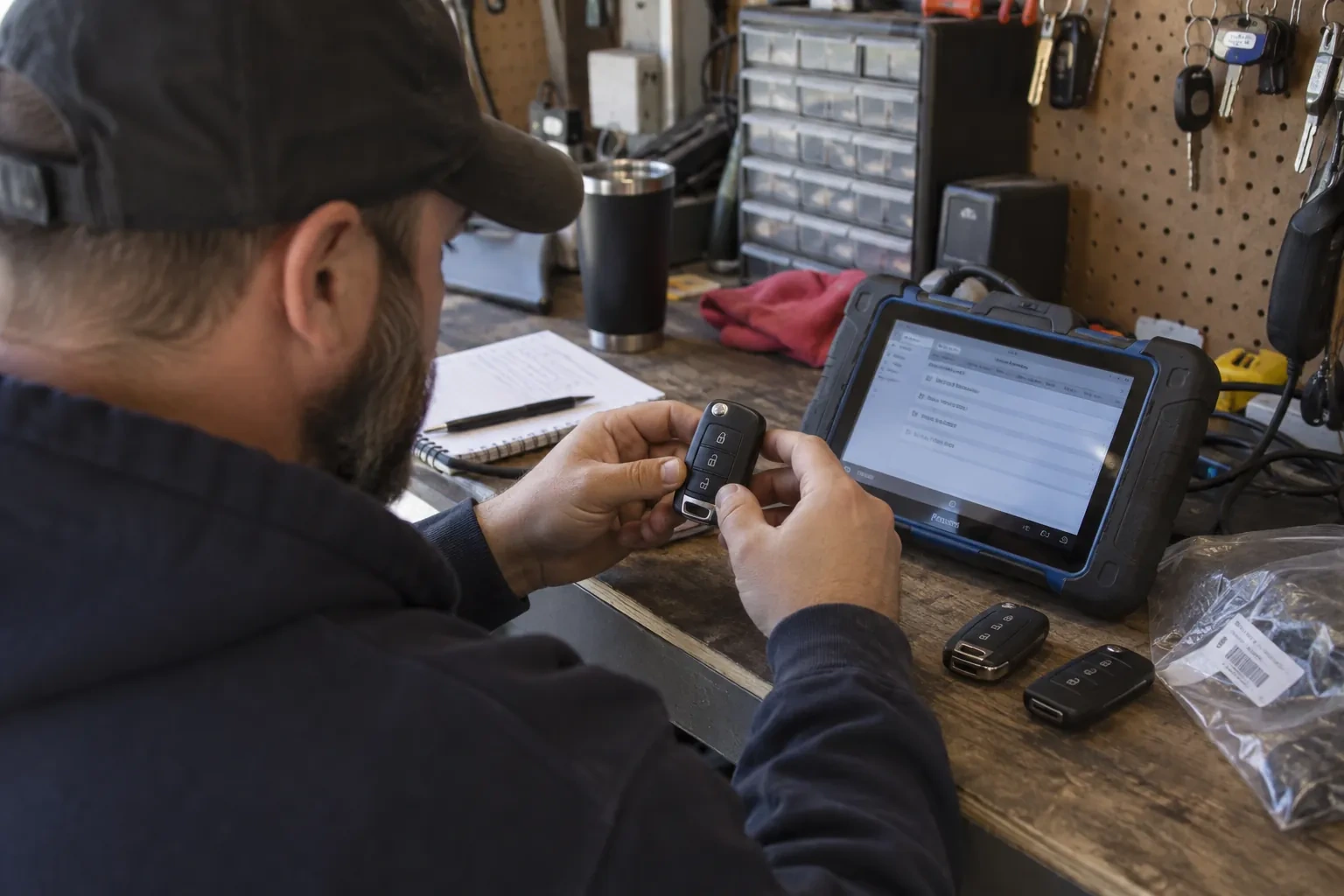
It means your key can only be copied through the locksmith who manages your system, after checking that the person asking is on your list of authorised names. Blanks for the keyway are not sold to hardware stores or kiosks while the patent lasts. Each key is numbered and recorded, so you know how many exist. For a home that ends the worry about old copies; for a business it turns a lost staff key into a known, manageable event.
How do I order extra keys later?
An authorised person contacts the locksmith who holds your system, quotes the system reference, and the key is cut from code and numbered into the register. Some systems use a physical authorisation card, others an online validation, and business systems often require a signature that matches one on file. The key is collected or delivered, and the record shows the new total. It is deliberately not something a stranger with your key can do.