Commercial · Stouffville
Commercial Rekeying in Stouffville
Two people left over the summer and the keys they handed back came up one short.
In plain words
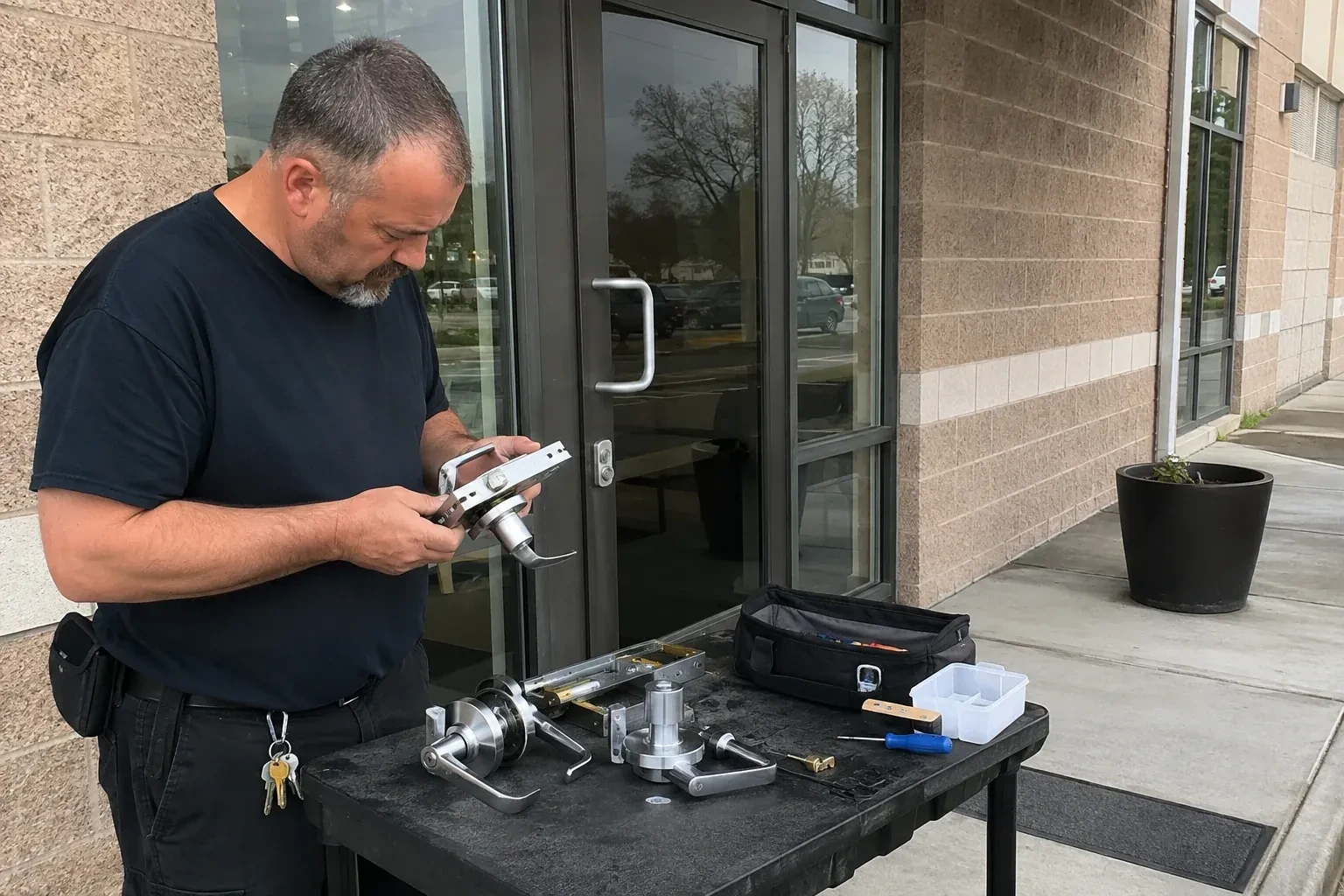
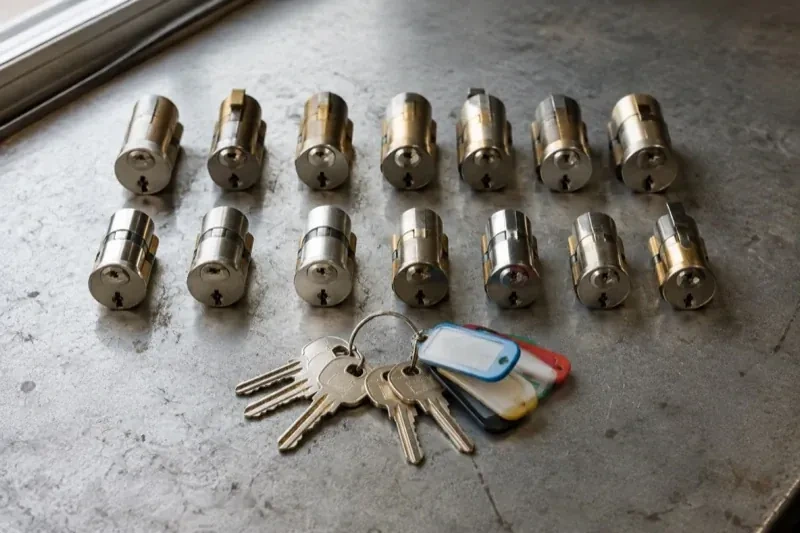
Losing a master key exposes every door it opened, and a commercial rekey brings that exposure back to zero. The locksmith first works out which level the missing key sat at: a single change key affects one or two cylinders, while a master reaches every lock in its group. Only the affected cylinders are repinned, which keeps the rest of the system intact and the response proportionate. Where a keying chart exists the work is precise; where the chart has been lost, the visit begins by reading and recording the existing cylinders so the new plan starts from facts rather than memory.
How the visit goesThe manager's key ring went missing somewhere between the bank and the car, and the master on it opened every door in the building. Until the cylinders are changed, whoever finds it is holding the run of the place.
Commercial Rekeying
How the visit goes
Reading the keys that already exist
Before deciding anything new, it helps to understand the old. Gather every key the business can find, including the ones with faded tape labels, and the locksmith reads them against the cylinders on the walk. Some will turn out to be duplicates of each other, some will belong to hardware that was replaced years ago, and some may operate doors nobody expected them to. Hardware-store copies stand out by their blanks and by the way they wear. This reading shows how far the key count has drifted and whether an old master still exists, and it lets the new plan retire everything found in the drawer rather than only the keys anyone remembered.
Pinning the master and change keys
When the plan includes a master, each cylinder is pinned to accept two keys: its own change key and the master above it. Thin master pins sit in the pin stacks so the plug can turn at both the change key's height and the master's; master keying can also create extra, unintended combinations, so the locksmith charts the system to keep those from lining up with someone else's key, and the manager's key opens its whole group and nothing beyond it. A well-built system leaves unused combinations in reserve, so when the business adds a door or a department next year the new cylinder joins the plan without disturbing the keys already in people's pockets.
How copies get made from now on
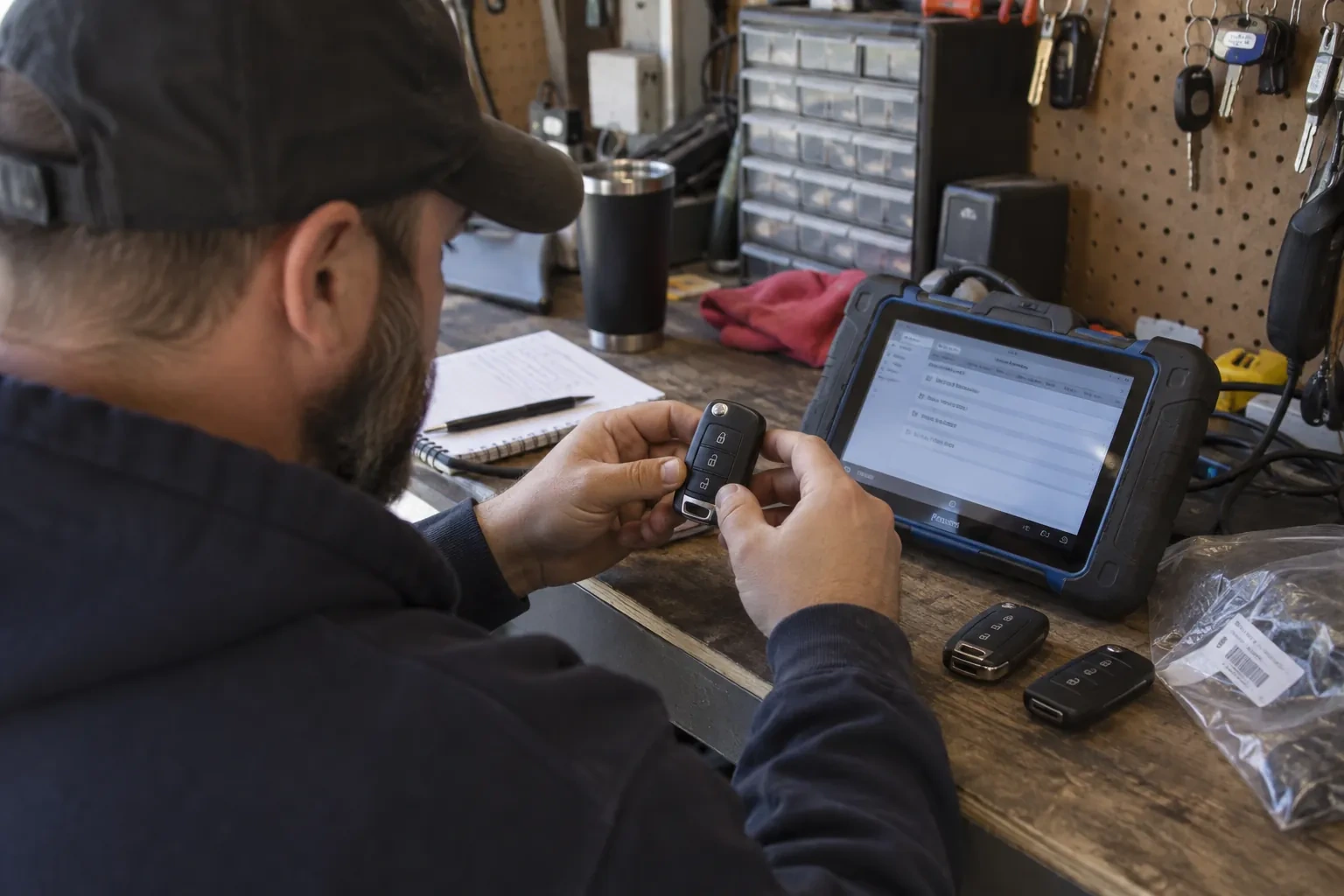
If the business moved to a restricted keyway, the way keys are copied has changed for good. Hardware stores and kiosks do not stock the blanks, which makes running off a spare on a lunch break far harder to arrange. New keys are ordered from the locksmith by one of the people named on the authorization letter, who signs for them, and the register grows by exactly that many. On a standard keyway, the same discipline is kept by habit: the manager orders keys, the register records them and a key that turns up unlisted prompts a question. Either way the count on paper and the count in the world stay the same, which is what key control means.
Commercial Rekeying
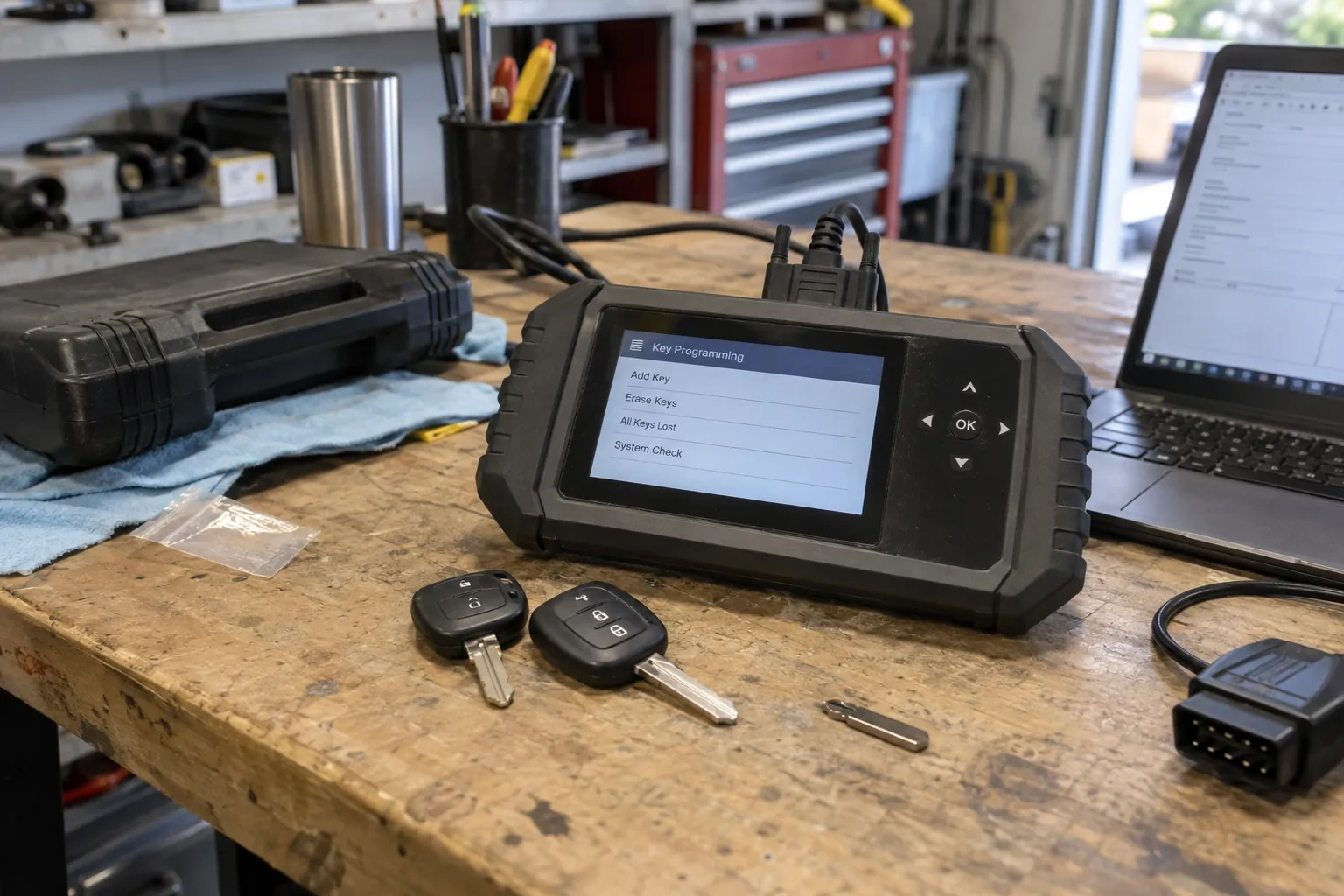
In the van
Rekeyable padlocks
Commercial pin kit
Dry graphite or PTFE lubricant
Standard and restricted key blanks
Interchangeable cores and control key
Commercial Rekeying
What affects the quote
Restricted keyway
Moving to a patented, restricted keyway means new cylinders or cores rather than a repin of the old ones, and the blanks themselves carry a higher price than standard keys.
Doors out of alignment
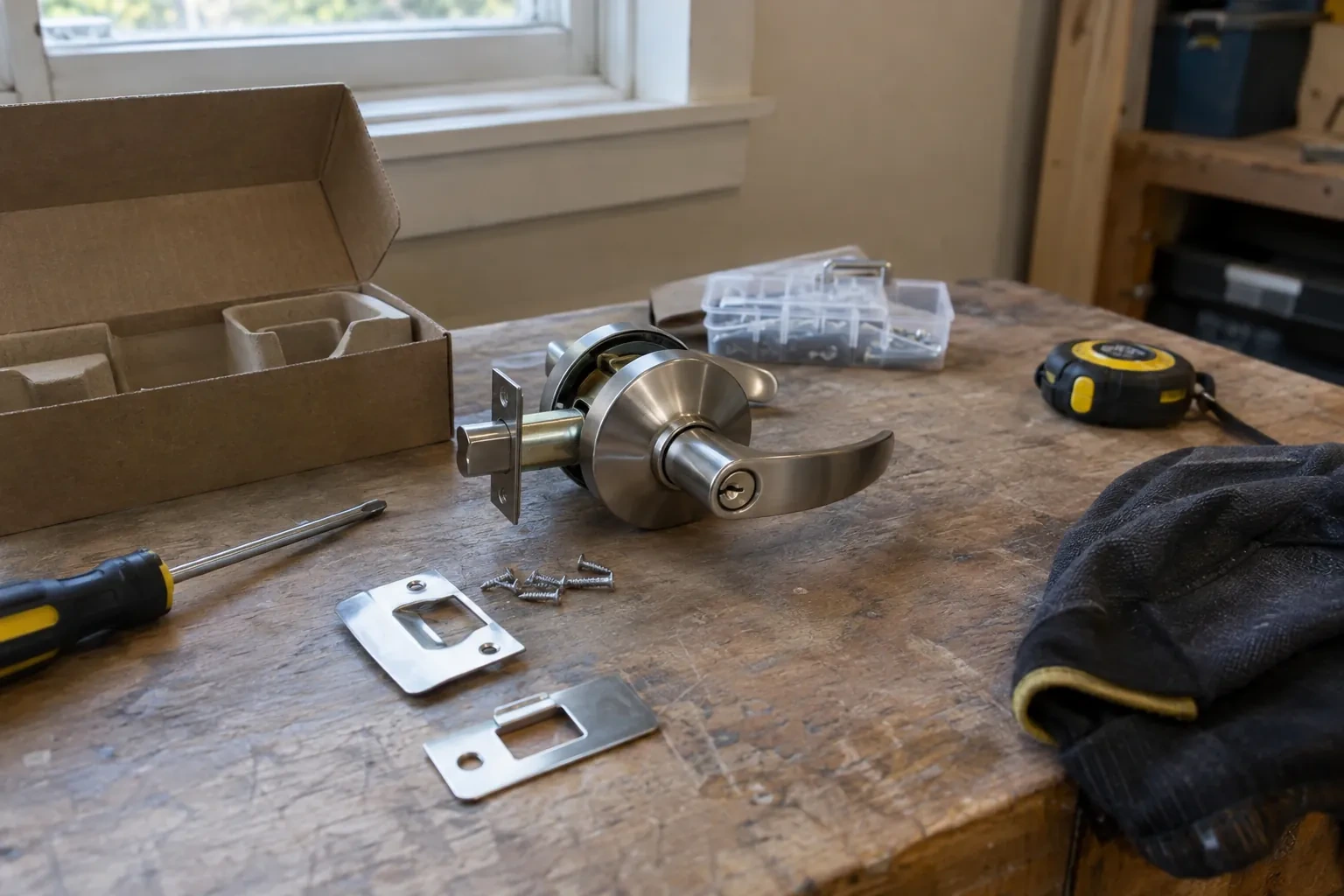
A door whose cam, strike or closer needs adjusting so the freshly rekeyed cylinder throws the bolt fully is corrected during the visit, and that adjustment is a separate item.
Distance to the premises
Travel to the site is part of the call-out, and a unit in a downtown plaza and one at the end of a rural industrial road are different trips.
What to have ready
- Do you want one key for everything, or separate groups with a master?
- When is the premises quiet or empty enough for the work?
- Which staff need to open which doors on a normal day?
Commercial Rekeying: questions
QuestionsHow do you confirm I am allowed to have the locks changed?
For a business the locksmith looks for someone with standing: the owner, a director, or a manager who can show written authority from one of them. A lease, a business registration or a letter on company paper usually settles it, along with photo identification. Where doors belong to a landlord, the property manager's approval is asked for as well. This is a short step and it protects the business from having its own locks changed by the wrong person.
We lost a master key. Does the whole building need doing?
Only the cylinders that master opened, which the keying chart identifies. If the lost key was the top master, that is every lock in the system; if it was a departmental master, it is that department's doors. Where no chart exists, the locksmith reads the cylinders first to establish what the key reached. The remaining doors, and any keys that never opened them, are left exactly as they are.
What is a keying chart and why does it matter afterwards?
A keying chart is a plain list of every opening, the key group that operates it, the code stamped on those keys and the number issued. Months later it lets you answer exactly which doors a missing key opened, and it lets a locksmith add a new door to the system without changing anything else. Keep it with the key register, somewhere locked, with a copy off site.
Related services
- Access Control InstallationSomething went missing from the storeroom over a weekend, and when you ask who was in the building, the honest answer is anyone with a key.
- Panic & Exit HardwareAfter the fit-out, the gym floor now holds more people than the old office space ever did, and the exit door at the back still has the same turn-lock it had when the room held desks.
- Commercial-Grade Lock ReplacementHead office wants every branch keyed alike under one system, and half the locations are still running whatever lockset the original contractor happened to install years ago.