Lockouts · Whitchurch-Stouffville
Business Lockout Service
A cook stepped into the alley with the recycling and the rear door swung shut behind him.
In plain words
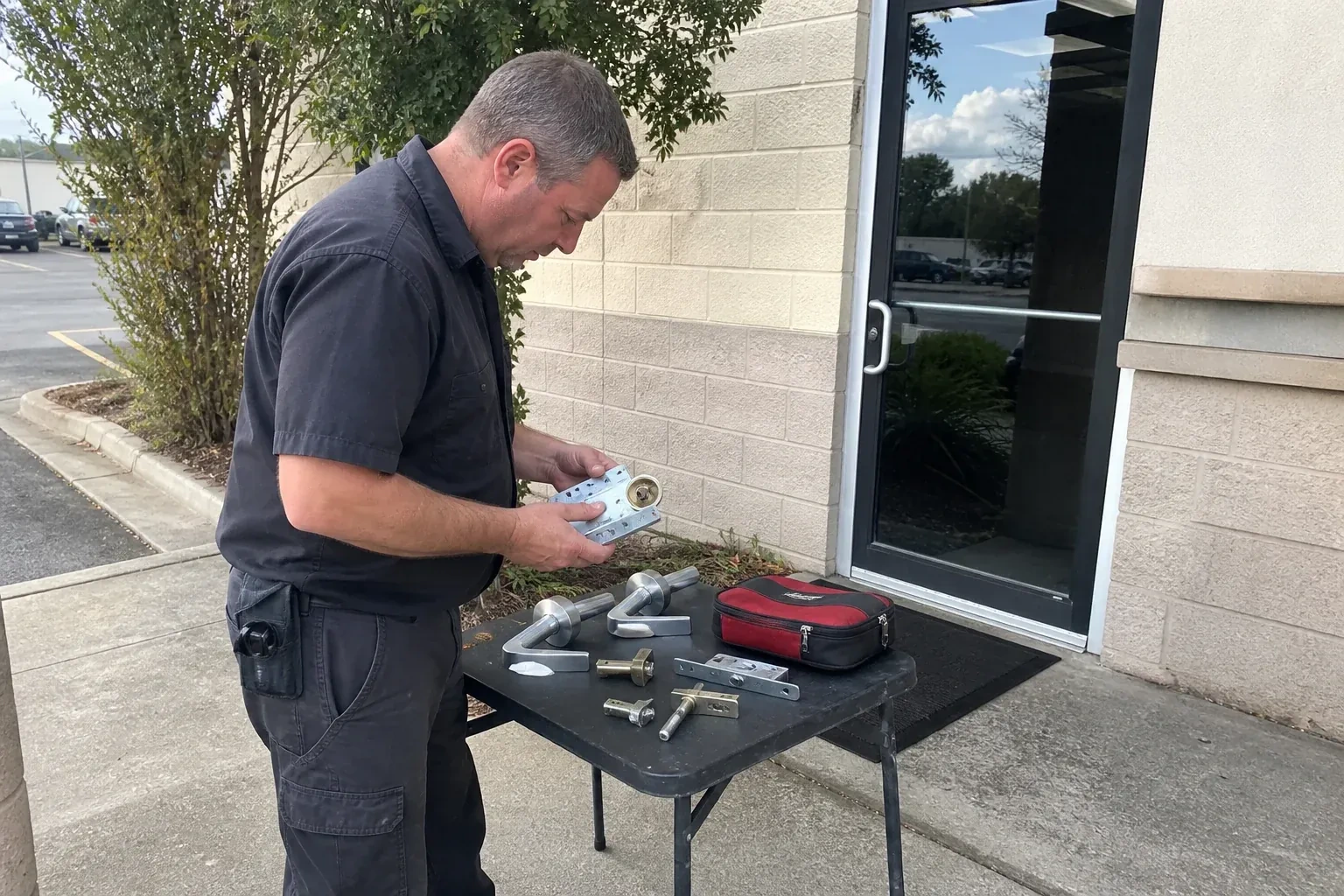
Heavy commercial doors move, and a good share of business lockouts are really door problems. A glass storefront door hangs on pivots or a continuous hinge that wear with thousands of openings a week, and once the door drops a few millimetres the hookbolt or latch binds against its strike. A hydraulic closer that has stiffened in the cold or lost its adjustment leaves a door that never latched properly the night before. Part of a lockout visit is reading the door: lifting it back into line, adjusting the strike and closer, and making sure the lock is asked to do only what a lock should do.
How the visit goesThe key went in stiffly, turned a quarter of the way, and came out in two pieces. Half of it is still inside the cylinder of the aluminium storefront door, and the deadbolt is hooked firmly into the frame.
Business Lockout Service
How the visit goes
Every other opening on the premises
The front door is rarely the only lock a business relies on. The locksmith asks about the rear service door, the side door to the compactor, a roll-up shutter and its padlock, the gate on the compound, and interior doors that matter such as the cash office, the stockroom, the server closet and the staff washroom. Some of these may be on the same key as the front door and others on their own. Knowing the map before starting means the right cylinders are rekeyed together afterwards, a padlock is not forgotten, and a second door that could have been opened more gently is not overlooked while everyone stares at the first.
Doors with a push bar inside
A rear door fitted with an exit device is opened from outside through its trim: a keyed lever, a pull with a cylinder, or a bare cylinder in a nightlatch function. Depending on that trim, picking or decoding the cylinder either retracts the latch directly, the way a nightlatch trim does, or unlocks a lever, knob or thumbpiece that then has to be turned to let the latch go. The device itself, including any vertical rods and the dogging mechanism, is left exactly as installed, because it is the way out in an emergency. Afterwards the bar is pressed from inside to confirm the latch releases with one push, and the outside trim is checked for a loose cylinder.
Exit doors that still let everyone out
Whatever was replaced, a door on the way out of the building still opens from inside with a single motion and no key while people are in it. That standard is why a storefront gets a thumb-turn or paddle inside, a rear door keeps its push bar, and a double-cylinder deadbolt does not go on an exit route. The locksmith checks each door for this before leaving and points out any older hardware, such as a chain or a keyed-inside bolt on a back door, that the business may want to bring into line.
Business Lockout Service
In the van
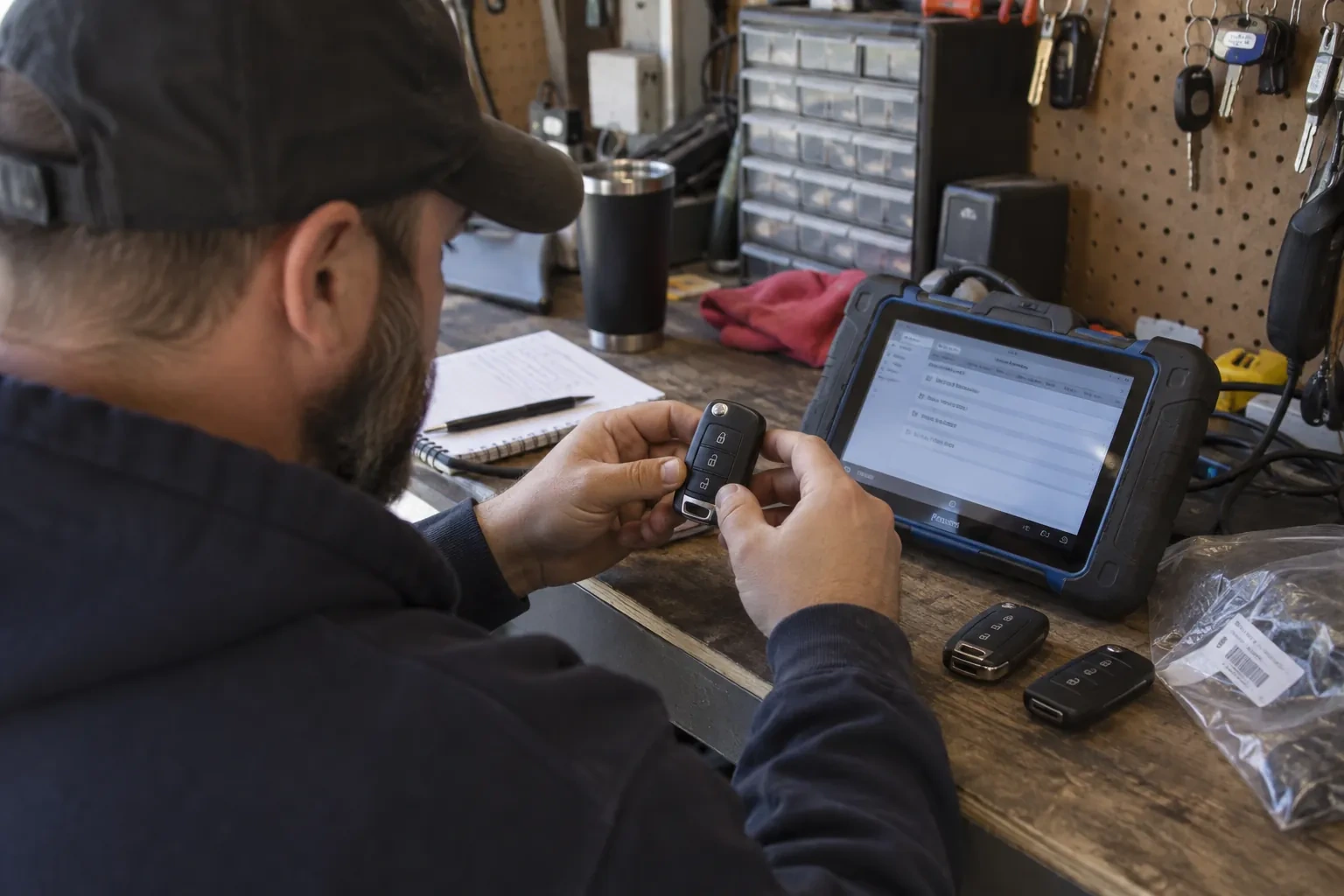
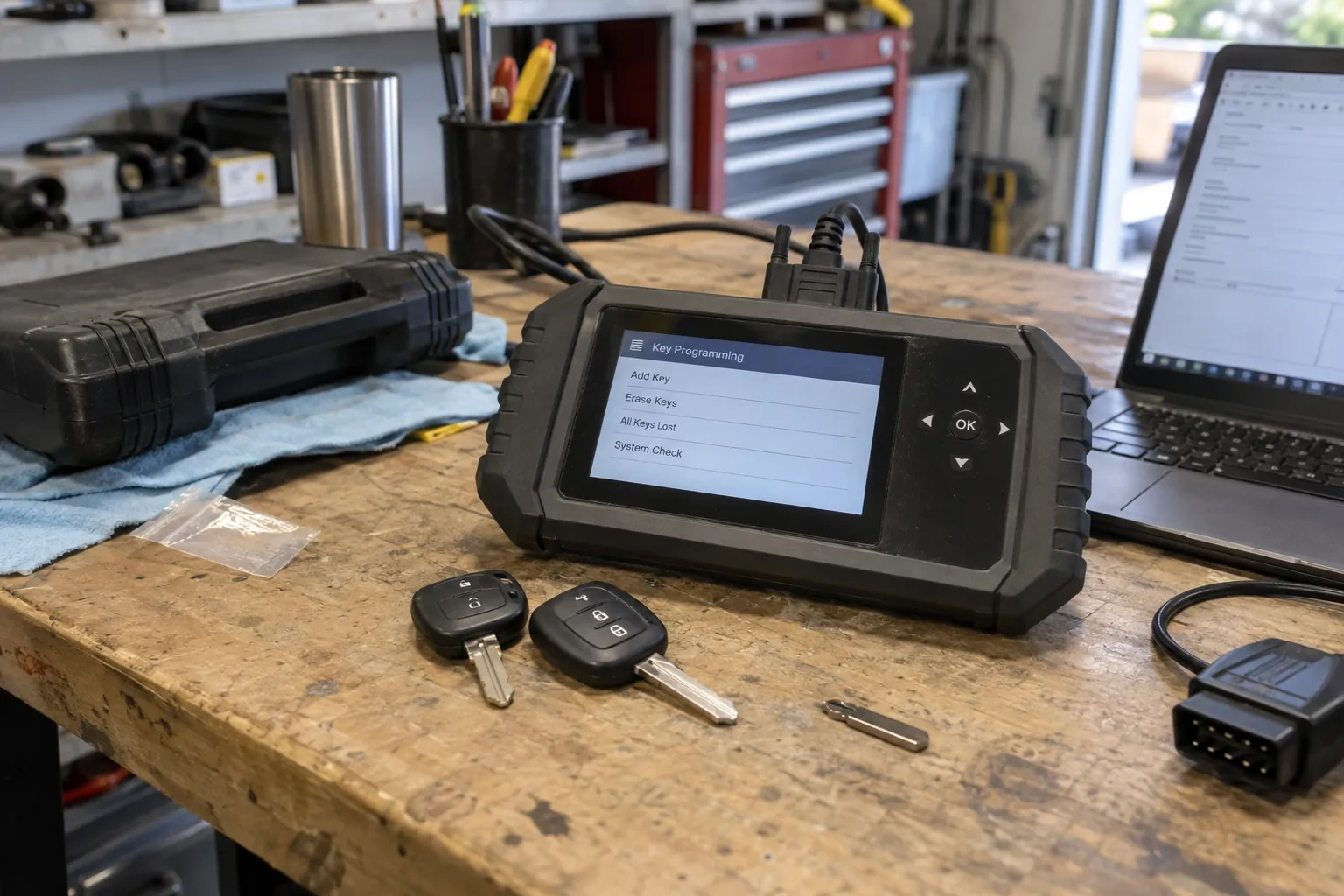
Commercial pick and tension tools
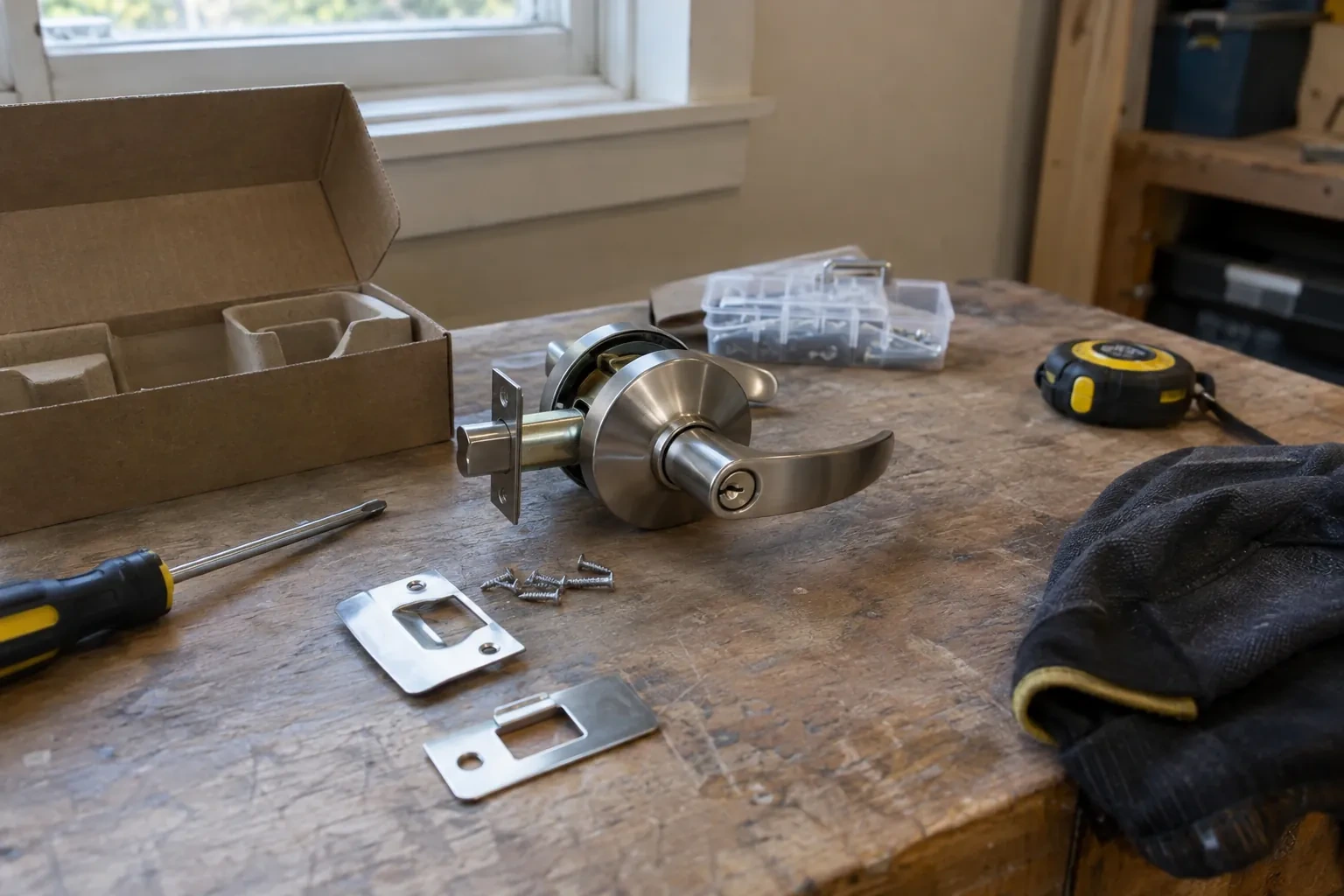
Storefront deadlock and deadlatch bodies
Key blanks and code cutter
Lock de-icer and dry PTFE lubricant
Cylinder decoder and plug spinner
Business Lockout Service
What affects the quote
When the call comes in
A weekday morning, an evening after closing, a weekend or a statutory holiday all cost the same amount for a business lockout, and locksmiths are reachable at any hour. The figure is confirmed at the door once the locksmith has looked at the door and the hardware involved.
Master key system changes
Where the door belongs to a building-wide master key system, changing it means planning with the property manager and pinning cylinders so both your key and the building key still work, which is more careful work than a single rekey.
Storefront, lever, mortise or exit device
An aluminium storefront cylinder, a cylindrical lever lockset, a full mortise lock and the trim of an exit device each take different tools and time to open, and the hardware on your door sets the starting point.
What to have ready
- Where are the keys: with an absent keyholder, lost, broken in the lock, or turning without effect?
- Who on site can show identification and a document connecting them to the business?
- Which door are you locked out of, and what does the lock on it look like?
Business Lockout Service: questions
QuestionsOur door uses fobs and the reader is dead. Can you get us in?
Yes, and usually without disturbing the access system. Many readers and electric strikes go dark because a power supply, breaker or backup battery has failed, and restoring power reopens the door. Where a mechanical override cylinder is fitted, it opens like any other lock; not every system includes one. An ordinary magnetic lock releases on its own once its power is actually removed, so a genuine power loss opens that door without waiting on a remote release. Afterwards, credentials and schedules are confirmed with whoever manages the system.
I am an employee, not the owner. Can you still open the door for me?
Yes, with the owner or a manager in the loop. Tell the locksmith who can confirm you work there and how to reach them. A call to the business owner, the regional manager or the property manager, ideally on a number that can be looked up rather than one you supply, settles it. Staff on an opening shift arrange this on the phone before the locksmith arrives so nothing waits at the door.
An employee left and never returned their keys. Should we rekey?
It is the sensible step, and a lockout visit is a convenient moment for it. Rekeying keeps your existing cylinders and changes the pins so a new key operates them and the unreturned one does nothing. If your doors use interchangeable cores, swapping the core takes minutes. Bring every door that shared the old key onto the new one, count the fresh keys into named hands and start a register so the next departure is a line in a book rather than a call.
Related services
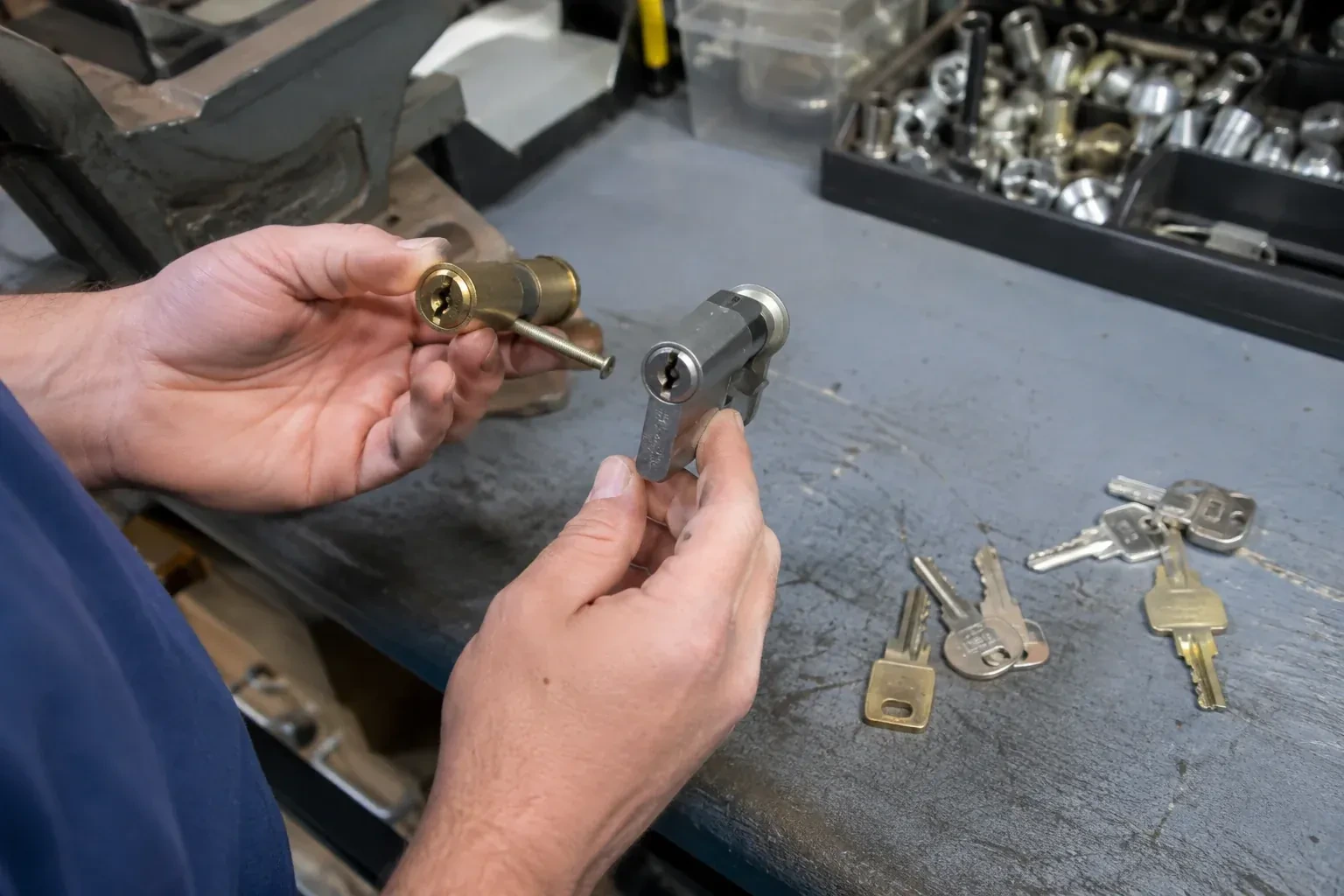
- Broken Key ExtractionThe key went in like any other morning, you turned it, and something gave with a small metallic click.
- Break-In Damage Lock RepairThe back door looks closed until you touch it.
- Seized & Jammed Lock OpeningThe key turns a full circle without any resistance and the deadbolt stays exactly where it is.