Commercial · Whitchurch-Stouffville
Commercial-Grade Lock Replacement in Whitchurch-Stouffville
Head office wants every branch keyed alike under one system, and half the locations are still running whatever lockset the original contractor happened to install years ago.
In plain words
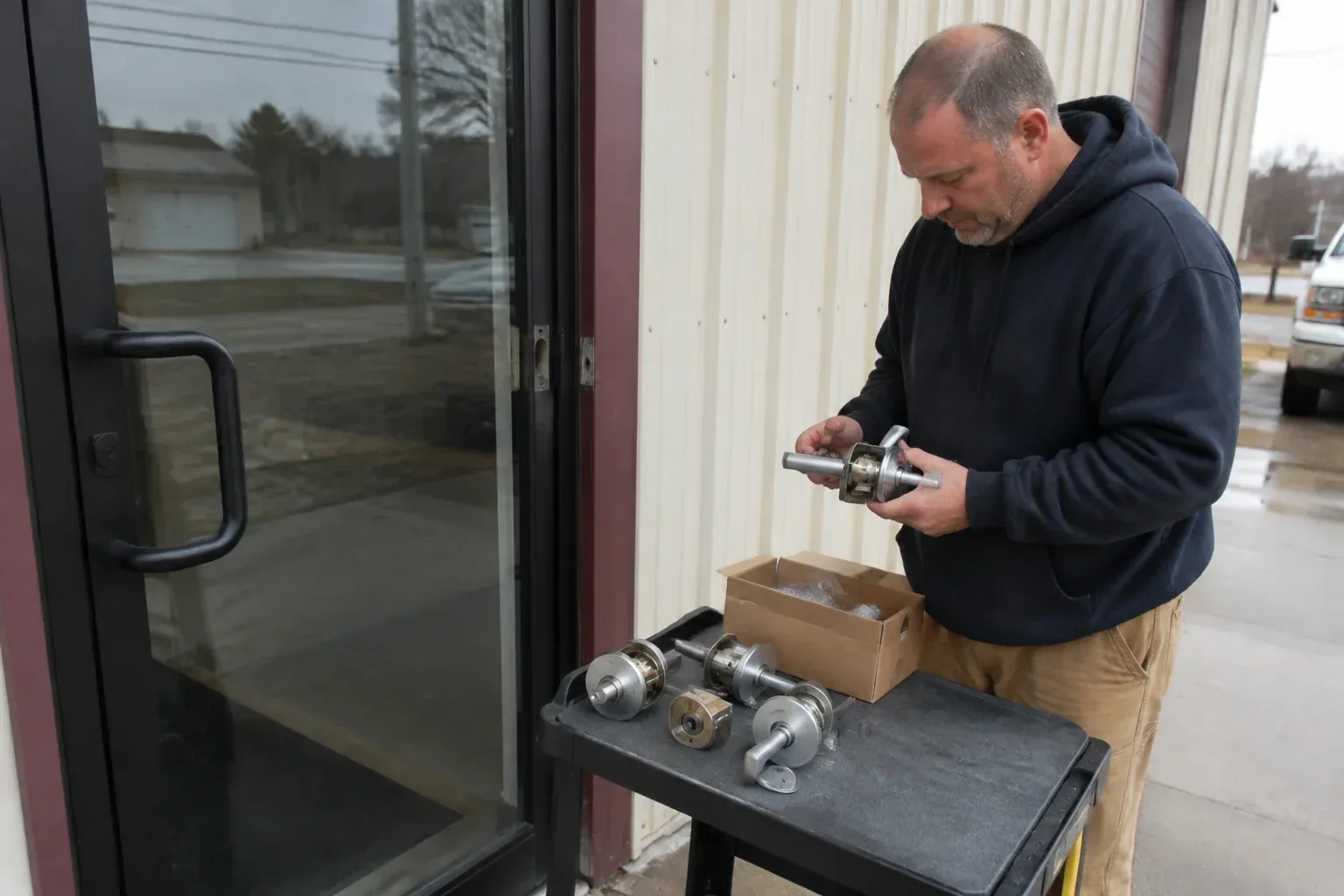
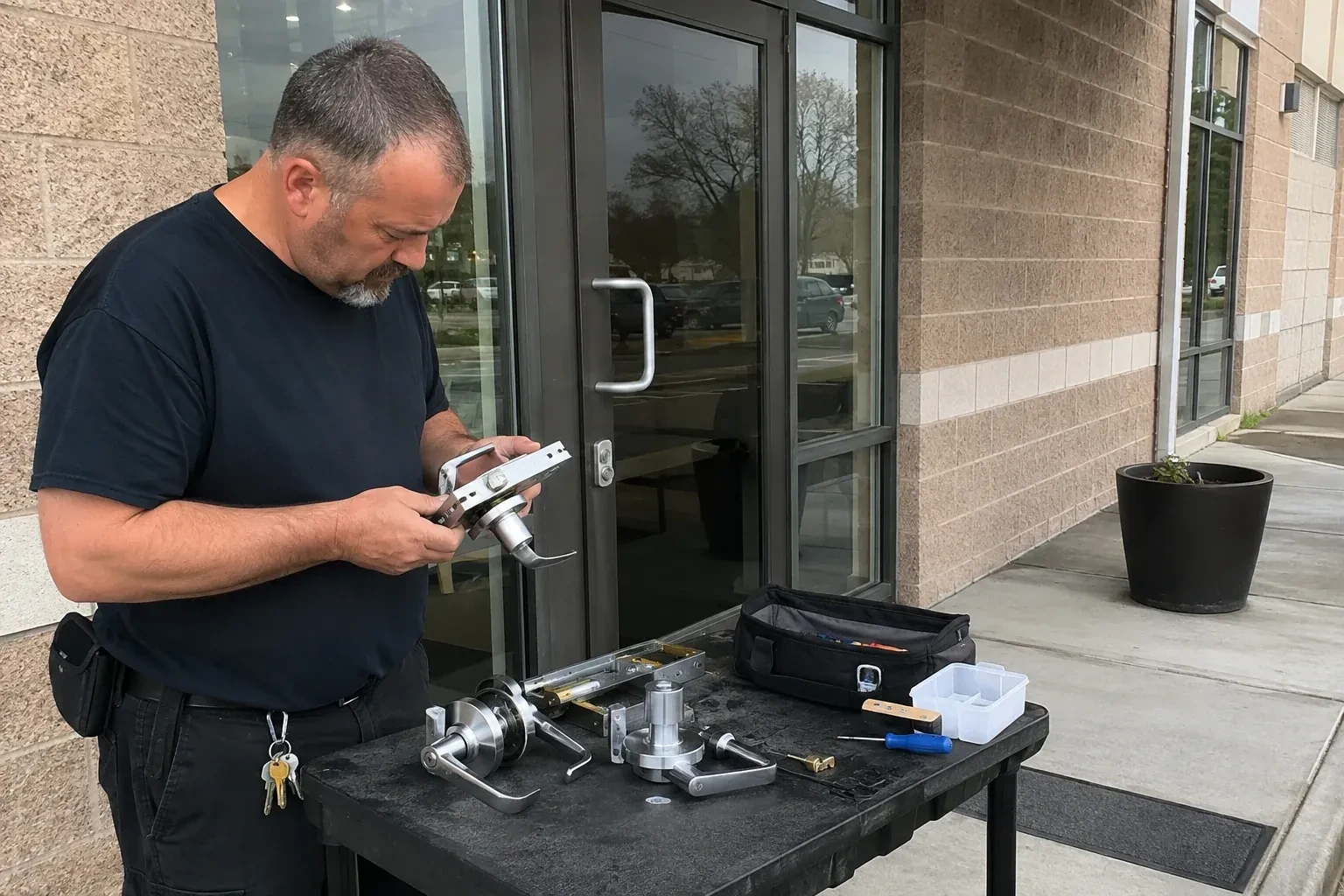
A great deal of what happens during this service is choosing the right category of hardware before a single screw comes out. Storefront glass and aluminum doors call for a narrow-stile lock or a hookbolt rather than the mortise body a solid wood or hollow-metal door would take, and a door serving a busy exit route may need listed exit hardware regardless of what was on it before. The locksmith identifies which category the opening belongs to, sources hardware built for it, installs it to the door's existing preparation, and confirms the finished lock operates correctly from both the public and the staff side.
How the visit goesThe key to the office entrance turns with almost no resistance now, and some mornings the deadbolt does not fully retract until someone jiggles the handle and tries the key again.
Commercial-Grade Lock Replacement
How the visit goes
Weighing what the new hardware needs to do long term
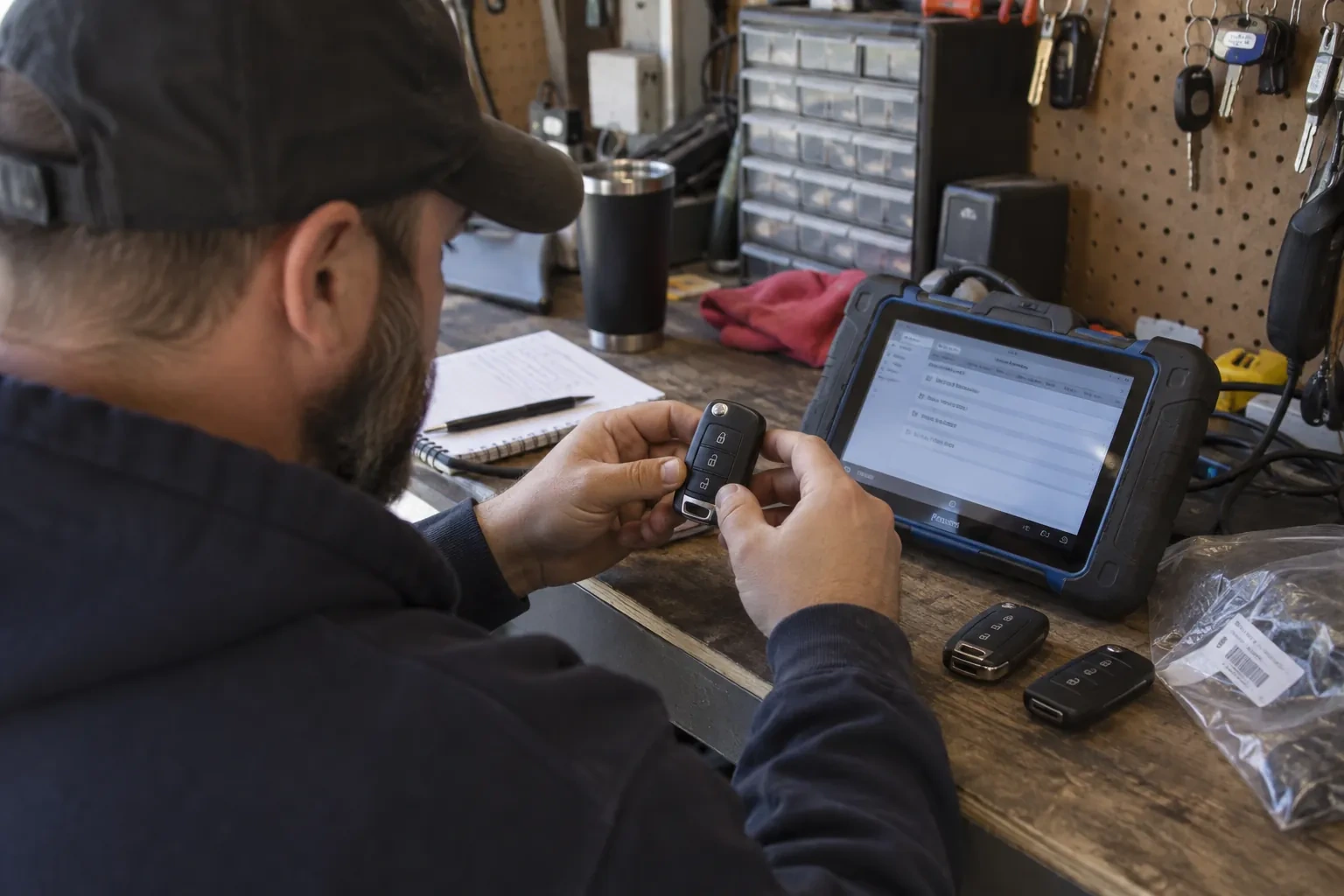
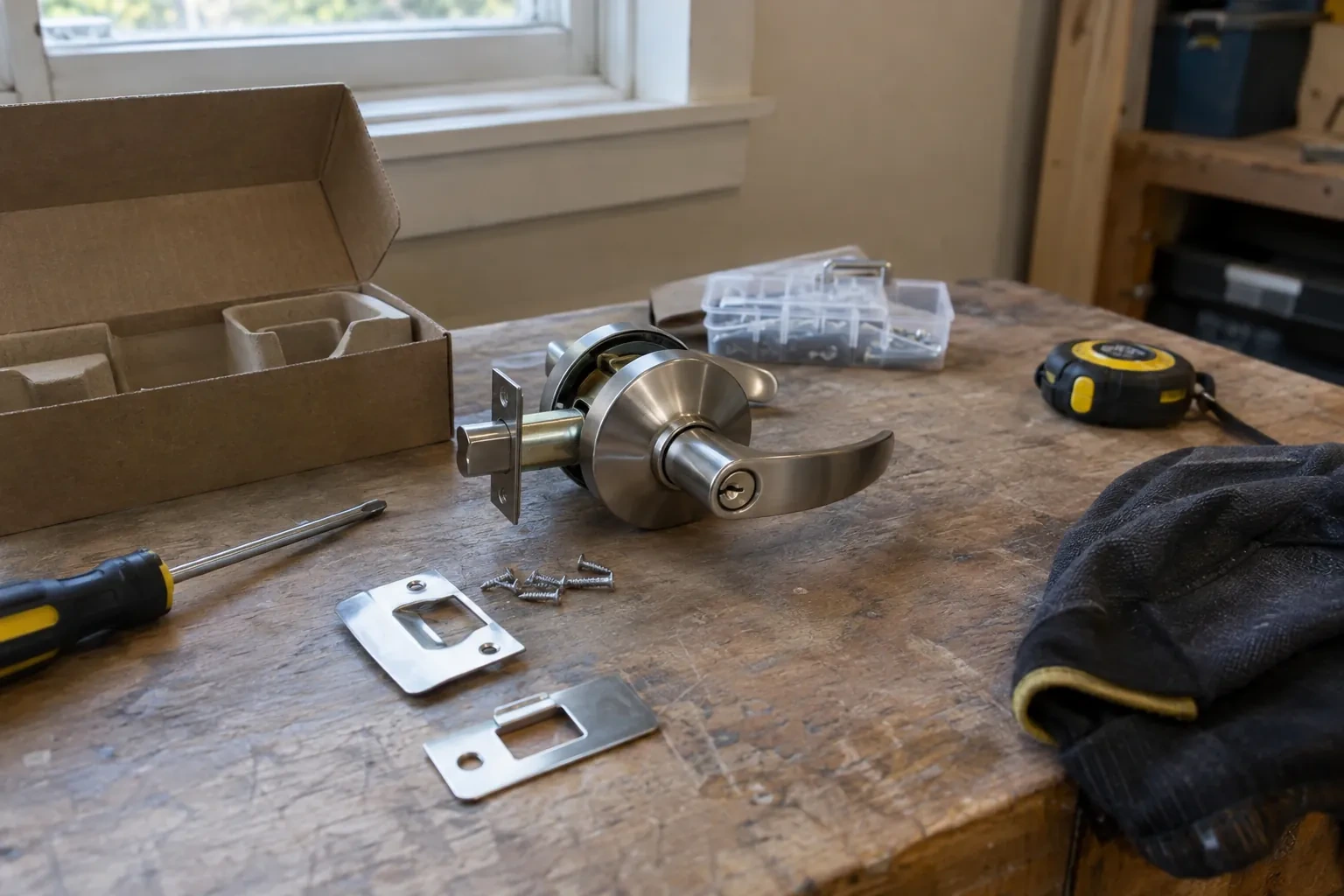
The last part of the assessment looks past today's problem to how the business expects to manage this door going forward: does staff turnover happen often enough that an interchangeable core, which lets a key holder change the combination without pulling the whole cylinder, would pay for itself in convenience? Does the business want a restricted keyway so blanks cannot be cut at an ordinary hardware counter? These questions shape the specific hardware ordered as much as the door's physical construction does.
Preserving the door's required behaviour
On a door required to close and latch on its own, the new hardware is installed and the closer adjusted so that behaviour still happens after the work is done: the door swings shut, the latch engages, and nothing about the new lock lets it be secured open in daily use. On an exit route where listed push-type hardware is required, the entire route from that door to the outside is checked so the new hardware fits the same standard as the rest of the path rather than becoming the one mismatched link in it.
Ready for the next security decision
With current hardware and an accurate key-control record in place, the business is better positioned for whatever comes next: adding a location to the master key system, upgrading a single door to an interchangeable core so staff can rekey it without a service call, or answering an insurer's or landlord's question about what security is on a given door. None of that requires starting from scratch, because the replacement visit leaves behind hardware and documentation that a future decision can build on directly.
Commercial-Grade Lock Replacement
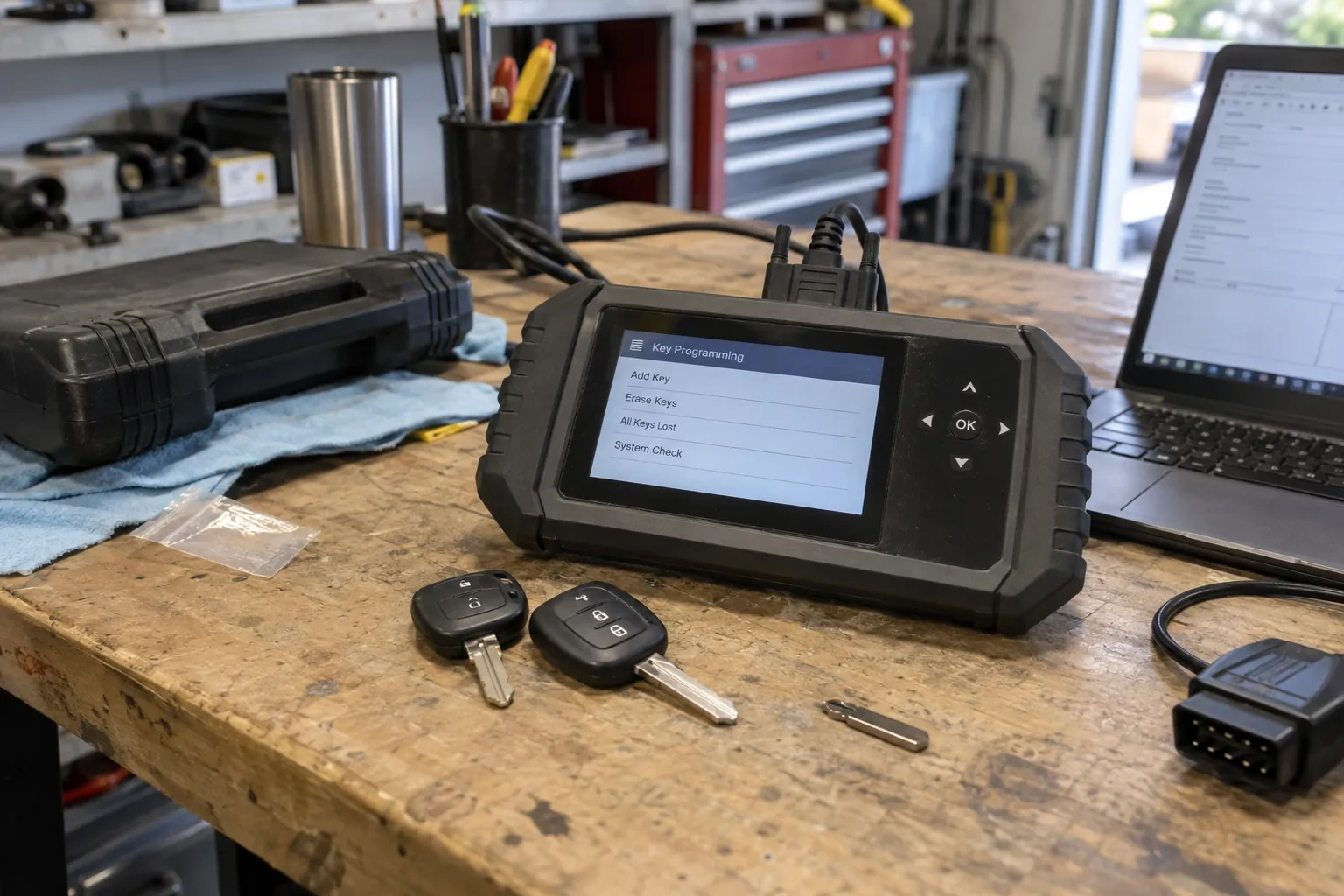
In the van
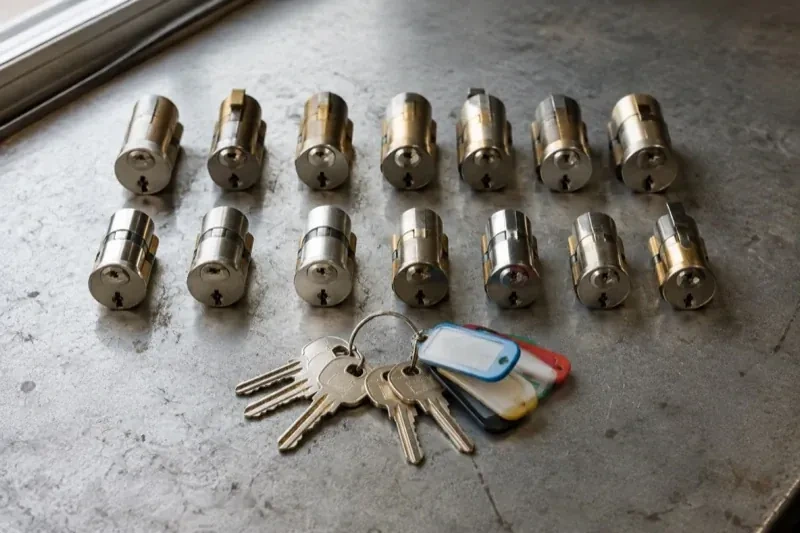
Interchangeable-core cylinder
Restricted keyway cylinder
Electric strike
Mortise prep and installation tools
Hookbolt and deadlatch hardware
Commercial-Grade Lock Replacement
What affects the quote
Timing relative to a lease or renovation
Work scheduled around a tenant turnover, a renovation, or a building-wide upgrade across several units can be planned and quoted as a coordinated project rather than a series of separate calls.
Number of keys cut and issued
Keys are counted individually into the quote. A small office needing a handful of keys is a smaller line item than a multi-shift operation issuing keys to a large staff roster.
Condition of the existing door and frame
A door and frame in good condition accept new hardware into the existing prep with little extra work. Damage from a break-in, a cracked frame or a previously mis-cut mortise pocket adds repair time the quote accounts for separately.
What to have ready
- What kind of door is it: solid, hollow-metal, wood, or aluminum storefront?
- Is the door part of a fire separation or a marked exit route?
- What is currently installed: a knob, a deadbolt, a mortise lock, or an exit device?
Commercial-Grade Lock Replacement: questions
QuestionsWhat is a grand-master key system, and does a small business need one?
A grand-master system adds a layer above a standard master key, useful for a business with several buildings or departments where one senior key should open everything and mid-level keys should open only their own area. A single-location business with a handful of doors usually only needs a straightforward master and change-key structure, without the extra layer.
Will replacing the lock affect my alarm or access-control system?
It can, if the door already carries a door position switch, an electric strike or a card reader, so the locksmith checks for that wiring before starting and reconnects and tests it alongside the new mechanical hardware. The goal is a door where the mechanical lock and the electronic system agree with each other rather than one working around the other.
What happens to keys held by former employees or contractors?
Once a cylinder is replaced or rekeyed, any key that was not reissued for the new combination simply stops working on that door. This is the direct answer to a key that walked out with someone who left the business, and it is worth doing across every door that key used to open, not only the one that prompted the call.
Related services
- Master Key System DesignThe new wing was built with its own brand of cylinder, so the two-year-old keys from the original building do not open a single door in the addition.
- Access Control InstallationSomething went missing from the storeroom over a weekend, and when you ask who was in the building, the honest answer is anyone with a key.
- Panic & Exit HardwareAfter the fit-out, the gym floor now holds more people than the old office space ever did, and the exit door at the back still has the same turn-lock it had when the room held desks.