Lockouts · Stouffville
Home Lockout Service in Stouffville
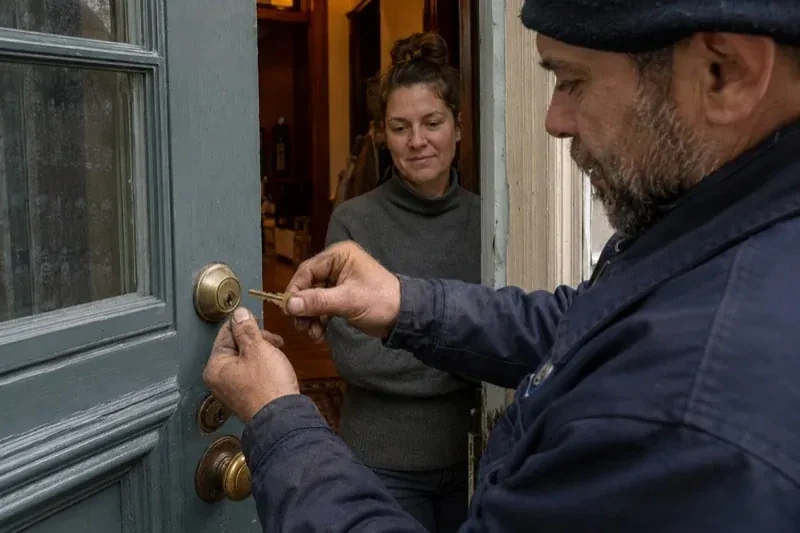
It is minus fifteen, the wind is coming across the driveway, and the key will only go halfway into the deadbolt.
In plain words
If you rent, a lockout visit works much the same way, with a little extra care around who holds which keys. You show identification and something tying you to the unit, such as a lease or a piece of mail, and the locksmith opens your door. Because a landlord and tenant each have rules about changing locks, the locksmith will talk through any rekeying or replacement rather than assume it, and can leave a note of what was done for the building manager. In a condo or apartment, the entry door, the mailbox and a storage locker may all come up in the same visit.
How the visit goesThe key slides in and turns all the way round, but the bolt stays put. There is no click, no resistance, just a key spinning in a lock that has stopped listening to it after years of daily use.
Home Lockout Service
How the visit goes
Reading the lock itself
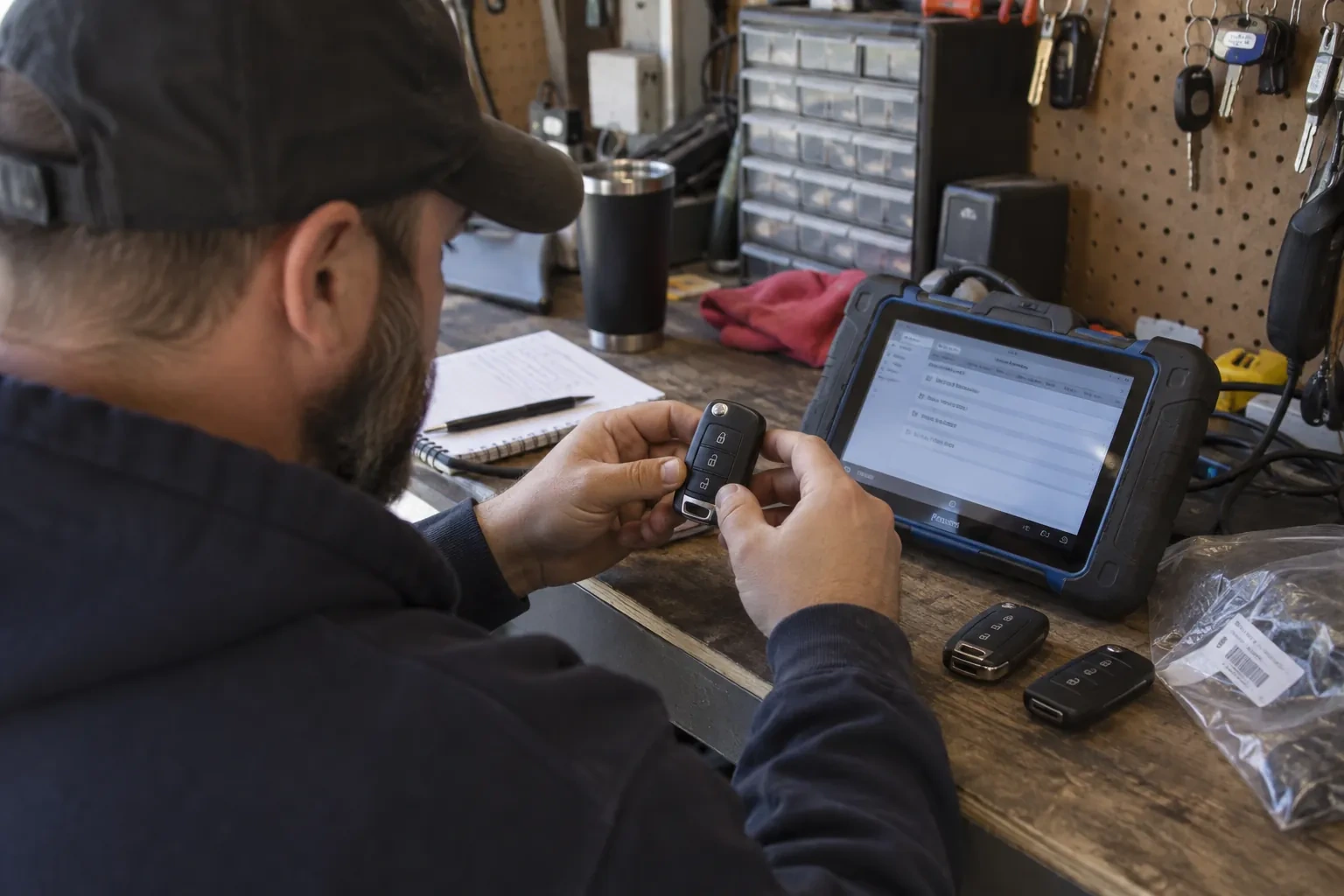
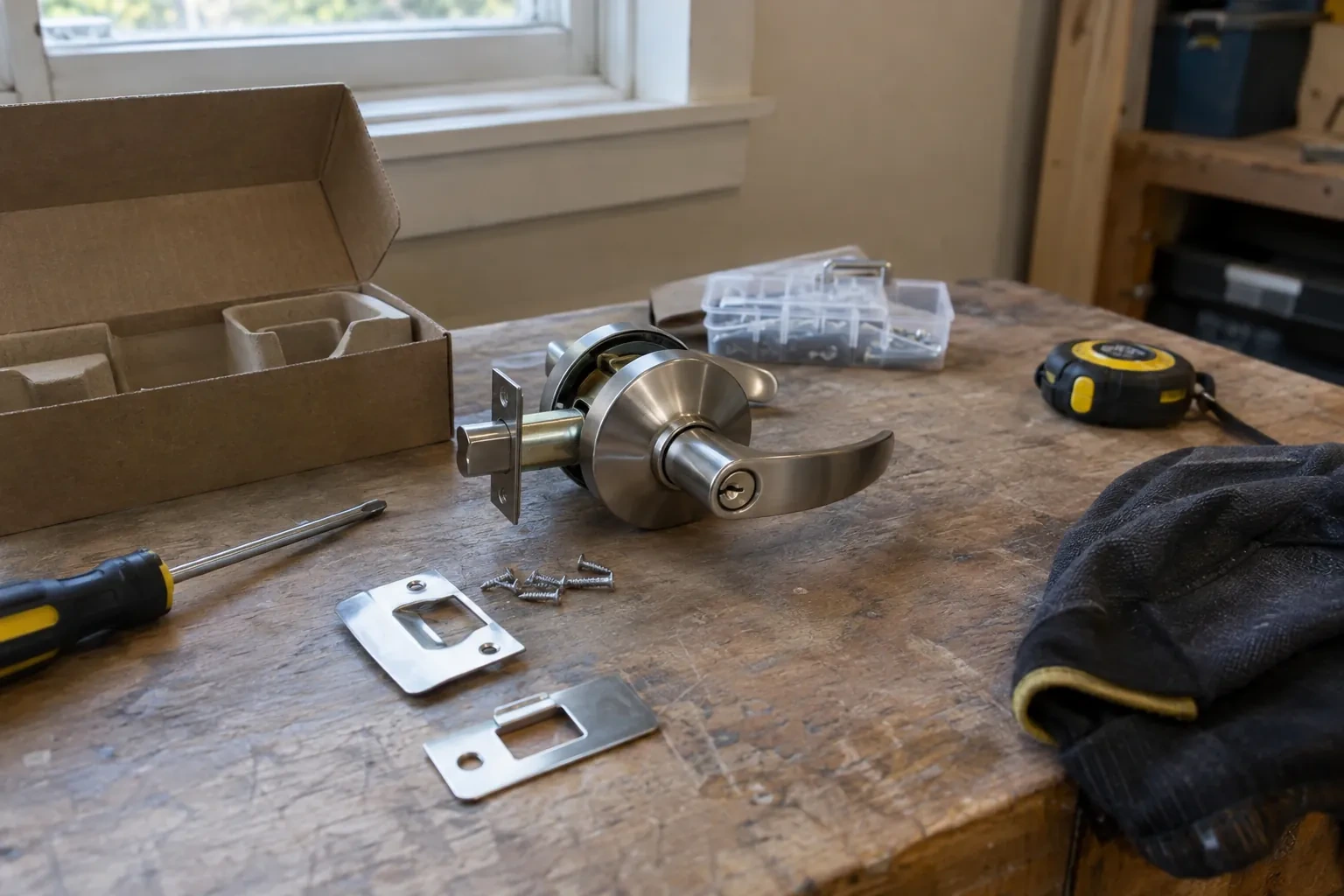
Every lock announces what it is to someone who knows where to look. The shape of the keyway, the maker's mark on the face, the presence of a thumb-turn or a second keyed side, and whether the door has a separate deadbolt above a latching knob all tell the locksmith which family of hardware they are dealing with. A residential pin-tumbler cylinder, a mortise case in a century home, a restricted keyway with security pins and a keypad lock with a hidden override each respond to different techniques. Identifying the lock correctly before touching it is what makes a clean, non-destructive opening the usual outcome.
Opening a latched knob or lever
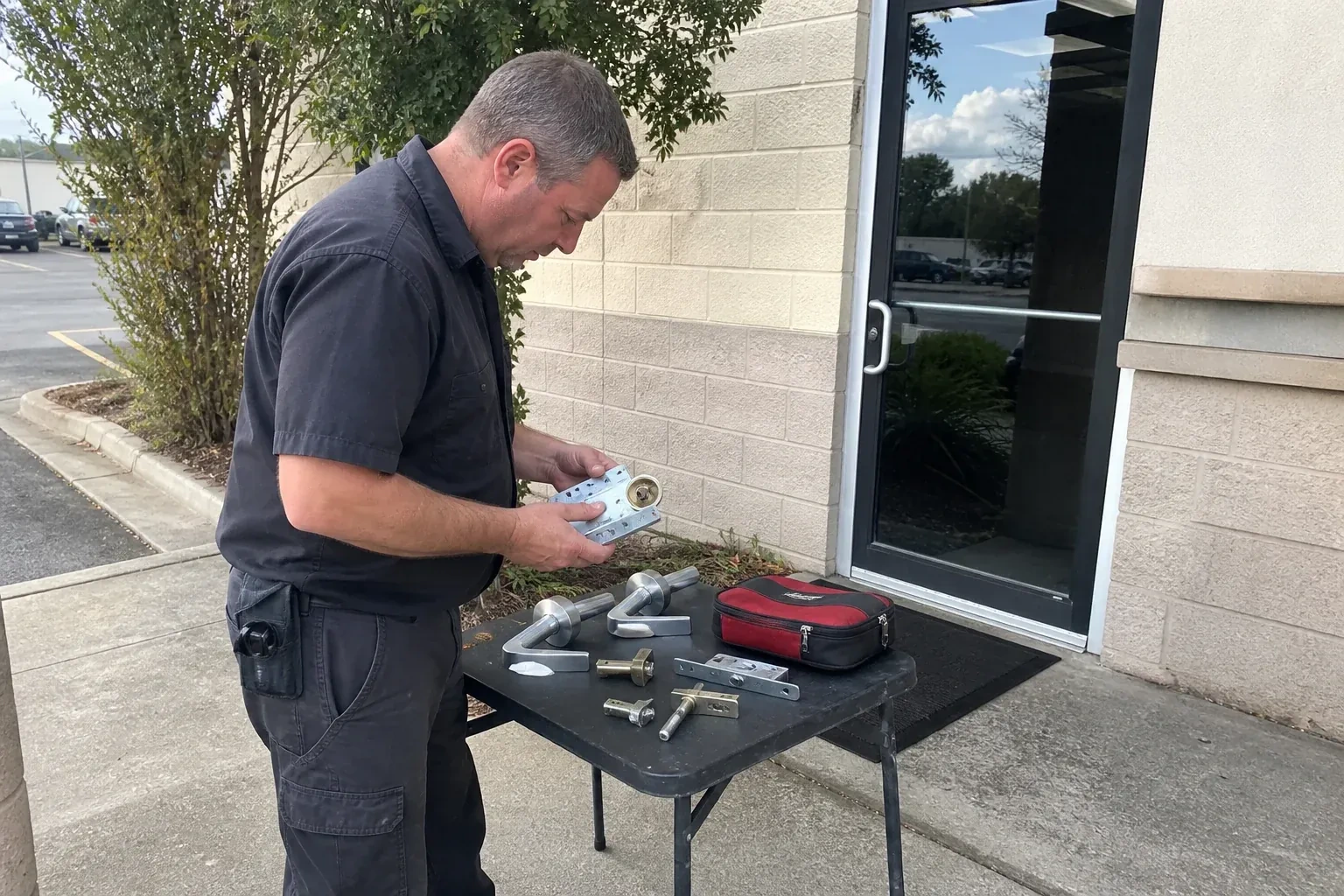
When the door has simply latched behind you and the deadbolt was never thrown, the job is often the gentlest one a locksmith does. A spring latch is bevelled so the door can close on it, and without an engaged auxiliary deadlatch that bevel lets a latch tool ease it back without touching the keyed cylinder; a properly engaged deadlatch resists that and needs a different approach. Where the door-frame gap is tight, or a guard plate covers the latch, the locksmith picks the knob cylinder instead, routine work on standard residential hardware. The knob is then checked for a loose spindle or sagging latch, since a door that catches unexpectedly is often telling you the latch is worn.
A door and frame that line up again
When the lockout traced back to a door that had sagged or swollen, you get more than an open door: the reason is dealt with. Hinge screws that had worked loose are tightened or replaced with longer ones that bite into the framing, the strike plate is adjusted or its pocket deepened so the bolt has room to throw fully, and any weatherstrip that was pushing the door out of square is trimmed. Afterwards the bolt should slide with a fingertip on the thumb-turn and no shoulder on the door. Check it again at the turn of each season, since wood keeps moving with the humidity, and a two-minute screw check saves a return visit.
Home Lockout Service
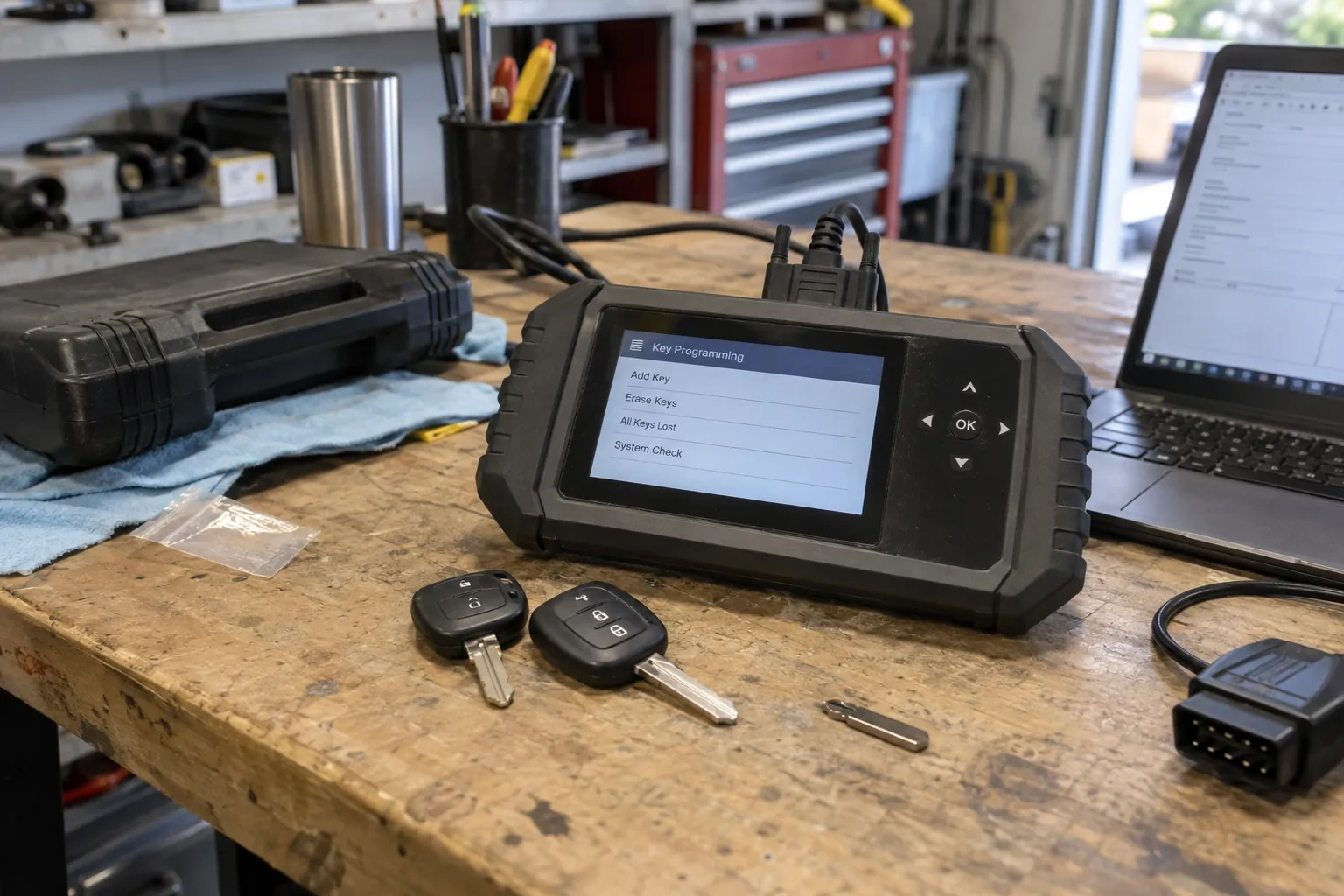
In the van
Pick and tension tools
Replacement cylinder or deadbolt
Dry graphite or PTFE lubricant
Broken key extractors
Key blanks and key cutter
Home Lockout Service
What affects the quote
Drilling and a replacement cylinder
If the cylinder has to be drilled, the quote gains the new cylinder or complete deadbolt and the labour to fit it. You are told this before the drill comes out, never after.
How many locks need opening
One front door is the simplest case. A front door plus a garage man-door, a storm door that latched and a mailbox in the lobby is a longer visit with more hardware to work through.
Restricted or high-security keyways
Security pins, sidebars and patented keyways take longer to open and, if replaced, cost more as hardware than a standard cylinder. Restricted keys also have to be cut from the system's records rather than duplicated.
What to have ready
- Do you have photo identification with you, or is it inside?
- Has the lock been stiff, sticky or hard to turn in recent weeks?
- Is there a second door, a garage entry or a spare key nearby you could use?
Home Lockout Service: questions
QuestionsWhat if my wallet and every document are locked inside?
That is the most common version of a lockout, and there is a routine for it. Tell the locksmith on the phone so the plan is agreed before arrival. Often a neighbour can confirm you live there, a digital copy of a lease or bill is on your phone, or a property manager can vouch for you. Where none of that is available, the locksmith opens the door and completes the identification check with the documents inside before leaving.
My key turns but the door stays locked. What is going on?
A key that spins freely without moving the bolt usually means the connection between the cylinder and the bolt has failed: the tailpiece or cam at the back of the cylinder has broken or slipped, or the internal parts of an older mortise lock have worn. The good news is that this is a hardware fault rather than a lost key, so once the door is opened the fix is a repaired or replaced cylinder and your keys keep working.
How do I make sure this never happens again?
Three habits cover most households. Give a spare key to someone you trust who lives nearby. Fix a small combination lockbox somewhere discreet on the property for the one day a year everyone is out at once. And if you have a keypad lock, add a code for a family member and keep the mechanical override key on your keyring rather than in a drawer inside. The locksmith can set up any of these before leaving.
Related services
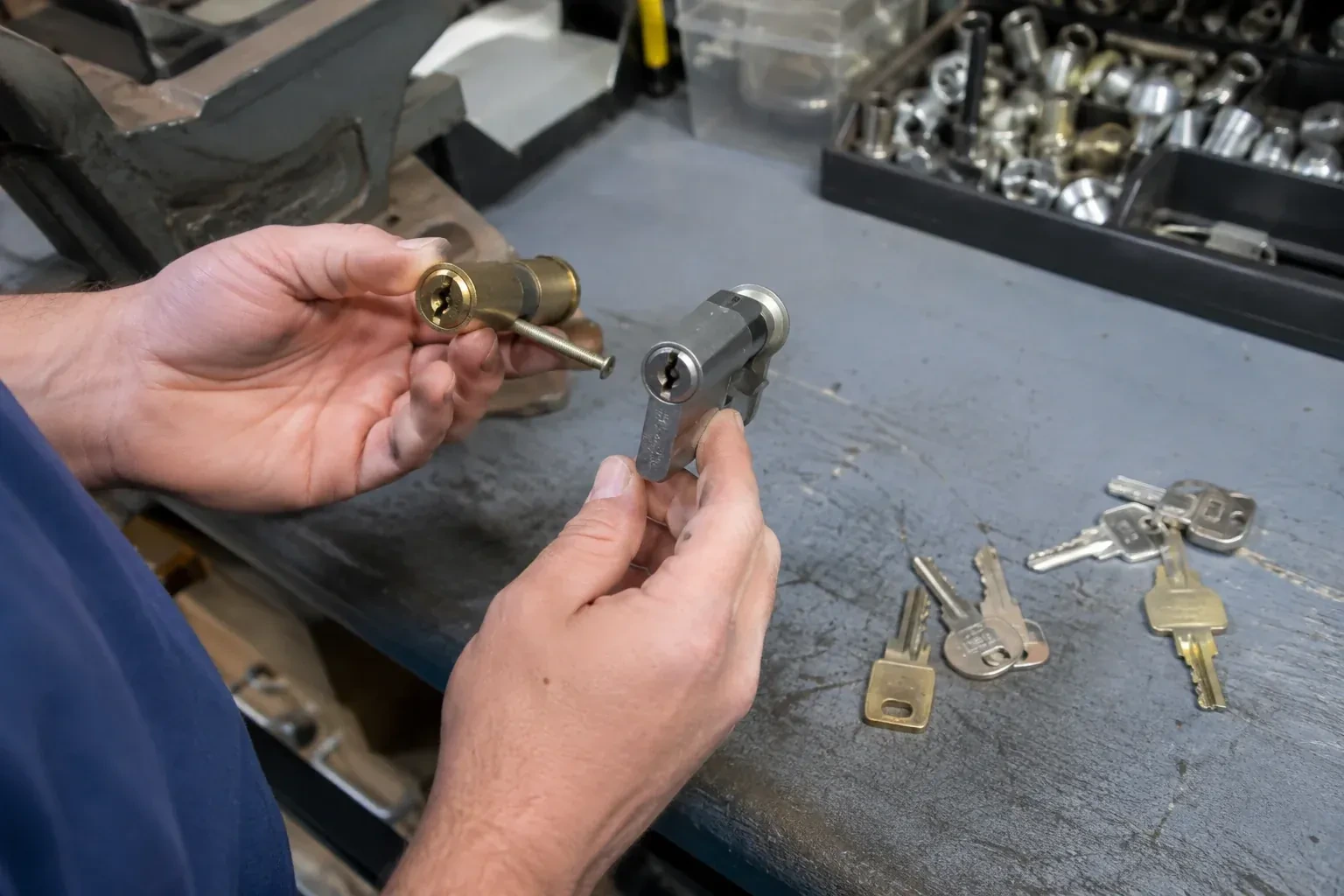
- Broken Key ExtractionThe key went in like any other morning, you turned it, and something gave with a small metallic click.
- Break-In Damage Lock RepairThe back door looks closed until you touch it.
- Seized & Jammed Lock OpeningThe key turns a full circle without any resistance and the deadbolt stays exactly where it is.